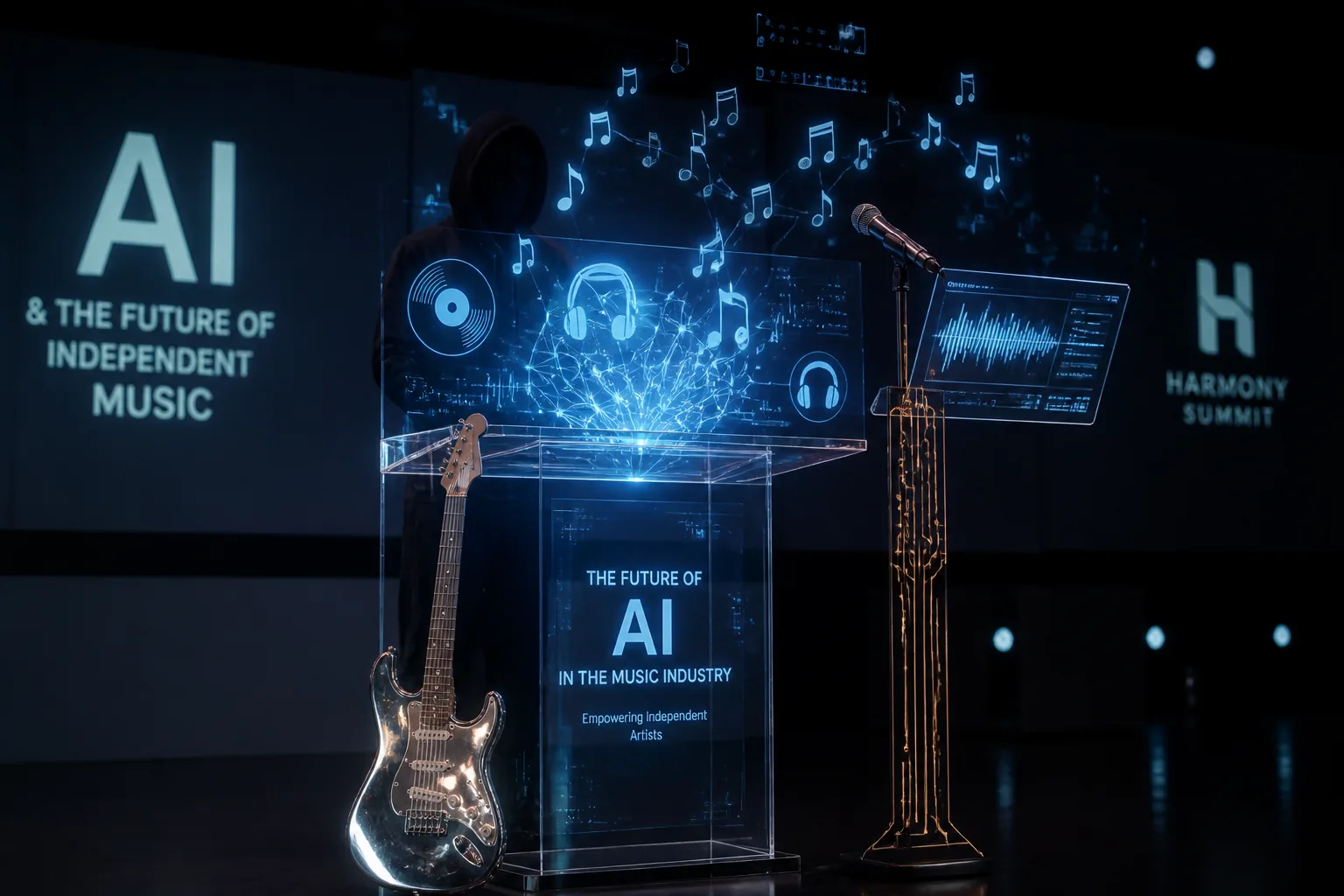
SmashFest Music Summit 2026: Nashville Hosts AI-Focused Conference for Independent Artists
The summer of 2026 saw Nashville’s music scene pulse with a new kind of energy when the SmashFest Music Summit opened its doors on June 12. Over three days, songwriters, producers, and independent musicians gathered to dissect the real‑world effects of artificial intelligence on the music business—an agenda that set the event apart from the usual panel‑heavy festivals. Co‑founder Michaela “Mickey” Shiloh, a multi‑platinum songwriter who earned a spot on Forbes’ 30 Under 30 in 2019, steered the summit toward hands‑on, actionable dialogue rather than generic speeches.
Shiloh’s journey from a 15‑year‑old signed artist to a seasoned industry insider fuels her passion for empowering creators who lack label support. She launched HRDRV in 2019 to deliver distribution, publishing, and community‑building tools that were traditionally the preserve of major labels. By the time SmashFest convened, HRDRV had already helped thousands of independent musicians navigate contracts, royalties, and online presence.
The conference featured more than 30 speakers and 35 performers, drawing executives from EMPIRE, Lava Records, RCA, The MLC, and Audiomack. Attendees repeatedly cited the summit as the best they had attended in years, praising the depth of conversation and the chance to meet decision‑makers face‑to‑face. Shiloh summed up her mission: “We’re after actual access—moving beyond panels where executives talk at an audience to rooms where emerging artists can engage directly with the people who make the rules.”
A standout element was the organic networking that unfolded organically. Artists discovered collaborators, managers identified new talent, and panelists exchanged contact details with participants. The summit’s design—pairing people around shared interests—fostered genuine connections that extended beyond the three‑day window. Shiloh highlighted that the community aspect was the most surprising takeaway, underscoring the power of purpose‑driven gatherings to spark lasting relationships.
Despite the event’s success, Shiloh revealed she poured over $40,000 of her own capital into SmashFest. She explained that live‑event economics are front‑loaded: venue deposits, insurance, travel, and production costs must be paid months in advance, while ticket sales often surge only in the final weeks. Moreover, sponsorship dollars have shifted toward measurable online activations, making it harder to secure traditional event sponsorships. Shiloh’s personal investment was a calculated risk, driven by her conviction that the connections and opportunities generated for attendees outweighed the financial gamble.
For independent artists looking to expand their audiences without deep pockets, Shiloh offers practical guidance. She advises focusing on “the 100 people who would genuinely love what you do” and cultivating one‑to‑one relationships rather than attempting to reach everyone. She stresses mastering a single business area—publishing, sync, or label deals—before branching out, and recommends Donald Passman’s All You Need to Know About The Music Business as a foundational read.
Looking forward, Shiloh announced an online event slated for October that will bring the SmashFest energy to a digital platform. The virtual summit will feature smaller rooms, direct feedback on work, and intentional collaboration opportunities. Additional Q&A sessions with Grammy winners, executives, and artist‑development coaches are planned to deepen the learning experience.
In sum, the SmashFest Music Summit 2026 proved that a focused, community‑driven conference can deliver independent artists meaningful access to industry leaders and practical insights into AI’s role in music. While the financial model for live events remains challenging, the summit’s success and the planned online continuation suggest that this format will continue to evolve and serve the needs of emerging creators.