Vancouver Expands Live-Music Infrastructure Ahead of 2026 World Cup
Just days before the world’s focus turns to the 2026 FIFA World Cup, Vancouver’s live‑music scene is getting a significant boost. The city has opened a new 10,000‑seat amphitheatre, upgraded BC Place Stadium, and seen a wave of investment in smaller venues.
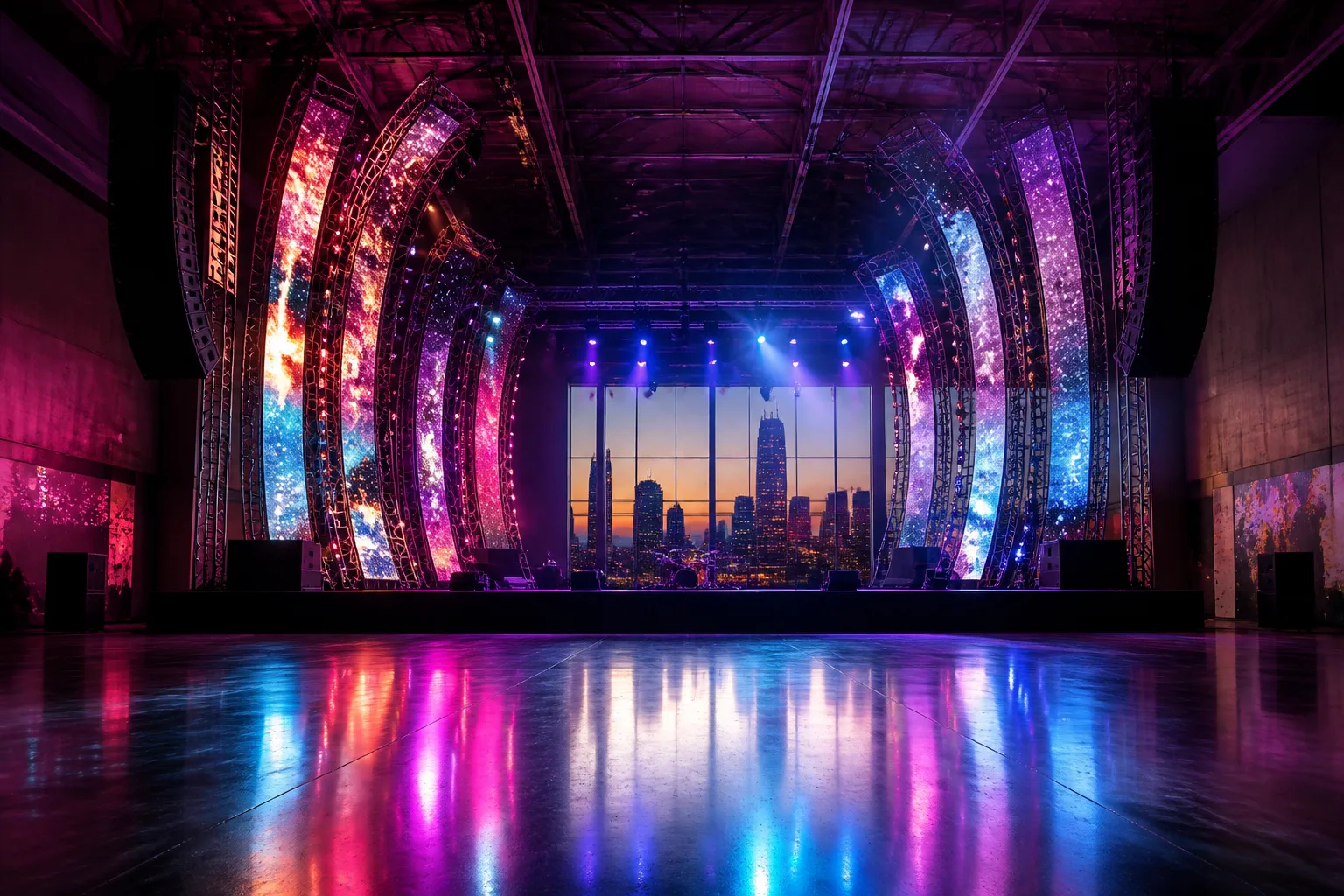
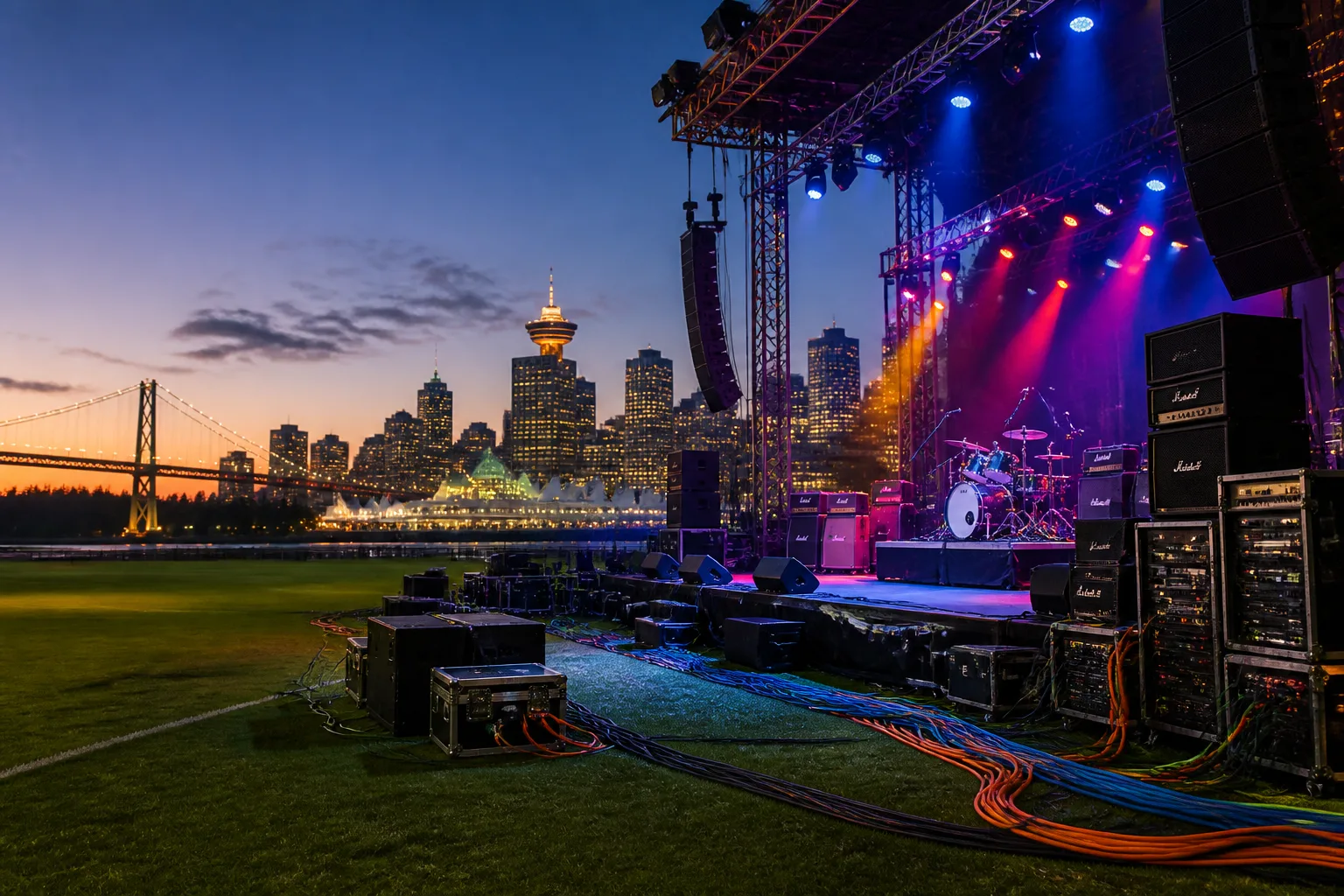
The Freedom Mobile Arch, the first new building on the Pacific National Exhibition (PNE) grounds since the Pacific Coliseum opened in 1968, opened on June 5, 2026. The open‑air venue sits on the PNE site and can seat about 10,000 people, filling a gap between the 2,672‑seat Orpheum Theatre and the 19,000‑seat Rogers Arena. It is the largest new venue in Vancouver since Rogers Arena opened in 1995. The project’s cost rose from an initial estimate of $64.8 million to an estimated $183 million, largely because geotechnical testing revealed 60 times more water than expected, requiring more concrete and specialised engineering.
City contributions covered most of the construction costs, and the venue’s naming rights were sold to Freedom Mobile for an undisclosed amount. PNE CEO Shelley Frost said the venue will generate revenue that will help repay the city loan over the next 20 years. The opening gala, hosted by Jann Arden and Colin James, was described by Frost as “spectacular,” and industry promoters have expressed enthusiasm for the venue’s design and acoustics.
Paul Runnals, founding partner of Brand Live Management Group Inc., said the arch “fills a hole” for mid‑to upper‑level artists. He noted that the venue will not be used year‑round, but it provides a new option for concerts that need more seating than smaller theatres yet cannot fill larger arenas. Runnals is also the executive producer of the FIFA Fan Festival that will take place at the arch during the World Cup.
BC Place Stadium received $196 million in capital upgrades from the British Columbia government. Upgrades include new field‑side club suites, upgraded Level 3 hospitality areas, a new merchandise store, and a new Corner Club suite that can seat hundreds. The Corner Club, which opened on March 3, 2026, is intended for premium seating and hospitality for large concerts, and the stadium’s general manager Chris May said the suite could host a conference for up to 500 people when combined with nearby group suites.
While BC Place remains a venue for large concerts, the new space is not designed for live bands. The focus is on premium seating and hospitality.
Smaller venues have also seen investment. Rickshaw Theatre owner Mo Tarmohamed spent nearly $100,000 on upgrades during the pandemic, adding a new sound system, lighting, and acoustic panels. Much of the work was funded through Creative BC grants, which cover half of the costs for successful applicants. The theatre, which holds 600 people, generates revenue through ticket sales, concessions, and event rentals.
Other downtown venues have closed or reopened. The Imperial Theatre closed in late 2022 after owners cited safety concerns and a 2023 fire. The Hollywood Theatre in Kitsilano reopened in 2018 after a renovation that included a new mixed‑use building nearby. The venue hosted free watch parties during the World Cup and is now owned by Dayhu Group of Companies.
Vancouver’s music community has called for an all‑ages venue, noting that existing venues such as the Vogue can host all‑ages events but a dedicated space would be beneficial.
The Malkin Bowl at Stanley Park, a key summer venue for Theatre Under the Stars, has been described as “desperately in need of a major upgrade or replacement.” Its technical infrastructure is 85 years old, and the stage lacks permanent washrooms. Runnals has urged the Park Board to consider a new venue that could host concerts as well as theatre.
Overall, Vancouver’s music infrastructure is expanding, but challenges remain. While the Freedom Mobile Arch and BC Place upgrades provide new options for larger acts, the city must continue to support smaller venues and maintain existing historic spaces to keep the live‑music scene vibrant.