Suno AI Faces Class-Action Lawsuit, "Pirate Studio" Backlash, and a Controversial Artist Incubator
Suno AI, the generative‑music platform that launched in December 2023, is confronting a multi‑million‑dollar legal threat from the plaintiffs’ firm Hagens Berman, while also dealing with backlash from independent distributors and a new artist‑incubation program that carries significant contractual restrictions.
The lawsuit, filed in the U.S. District Court for the Southern District of New York, alleges that Suno and its competitor Udio used copyrighted recordings from tens of millions of independent artists to train their AI models. According to the complaint, the platforms bypassed technical safeguards on Spotify and YouTube to “stream‑rip” and copy the music without permission. Hagens Berman, known for securing a $260 billion settlement in the tobacco industry, represents the independent creators.
In the same period, Suno completed the acquisition of Songkick from Warner Music Group. Songkick is a concert‑discovery service that tracks fan attendance and artist tour dates. The deal gives Suno access to Songkick’s database of millions of users, potentially providing the AI company with detailed listening habits and concert‑attendance data.
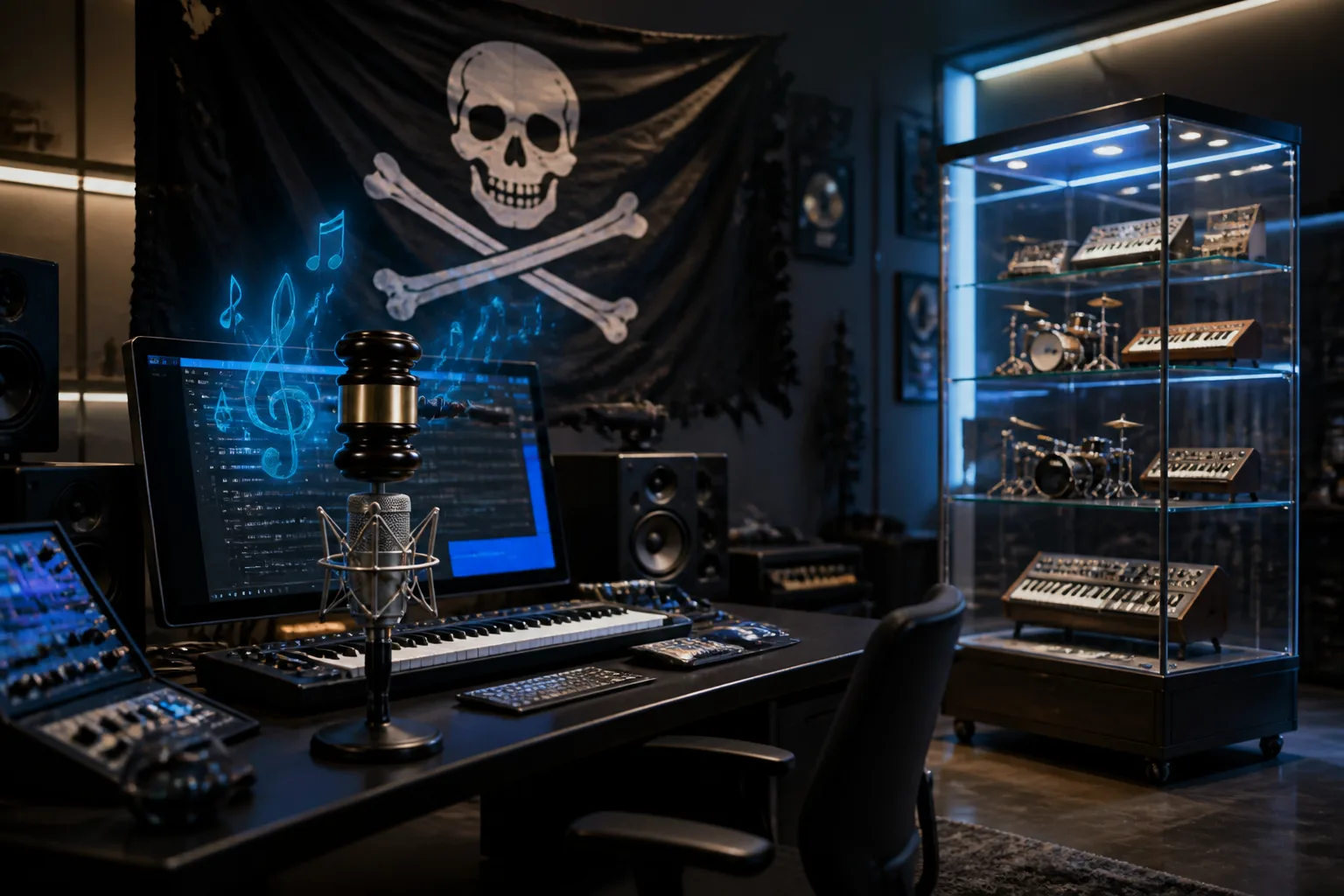
The acquisition has intensified concerns among indie‑music distributors. Believe and TuneCore, both major distribution platforms for independent artists, have blocked Suno‑generated tracks, labeling Suno a “pirate studio.” The distributors’ policy states that any music produced on unlicensed AI platforms is prohibited from being distributed through their services.
To counter the growing criticism, Suno launched Spark, an incubator that offers unsigned musicians cash grants ranging from a few thousand to tens of thousands of dollars, marketing budgets, and mentorship. The program’s fine print, however, imposes several constraints:
Permanent gag clause – Artists who accept Spark funding cannot publicly criticize Suno or its products. Perpetual identity rights – Suno retains the right to use an artist’s name, image, and likeness for promotional purposes indefinitely. * AI blacklist – Spark participants are barred from working with or promoting rival AI music companies, such as Udio or ElevenLabs, for 60 days after completing the program.
These terms have raised questions about the balance between financial support and artistic freedom. While a five‑figure grant is attractive for many independent musicians, the contractual obligations effectively limit their ability to speak against the platform and restrict future collaborations.
Suno’s legal and reputational challenges are compounded by the broader industry’s scrutiny of AI‑generated music. Major streaming services, including Spotify, have begun to enforce stricter rules against AI‑created content that has not been properly licensed. The industry’s response reflects a growing concern that AI platforms may be exploiting copyrighted works without compensating original creators.
The lawsuit’s allegations, if proven, could have significant implications for the AI music sector. A ruling against Suno and Udio would reinforce the need for clear licensing agreements and could trigger further regulatory scrutiny. For independent artists, the case underscores the importance of understanding the data and licensing terms of the tools they use.
Suno has not yet issued a formal response to the lawsuit. The company’s recent acquisition of Songkick and the launch of Spark suggest a strategy of expanding influence while attempting to build goodwill among creators. However, the legal threat from Hagens Berman and the distribution block by Believe and TuneCore indicate that the platform’s growth may be limited unless it addresses the underlying licensing concerns.
At present, the outcome of the lawsuit remains uncertain. Independent artists who consider participating in Spark or using Suno’s services must weigh the financial benefits against the contractual restrictions and the potential reputational risks associated with the platform’s ongoing legal disputes.
The case highlights a broader tension in the music industry: the rapid adoption of AI technology versus the need to protect the rights of independent creators. As the legal and regulatory landscape evolves, both artists and platforms will need to navigate these challenges carefully.