Vietnams Music Festivals Drive Tourism and Economic Growth in 2026
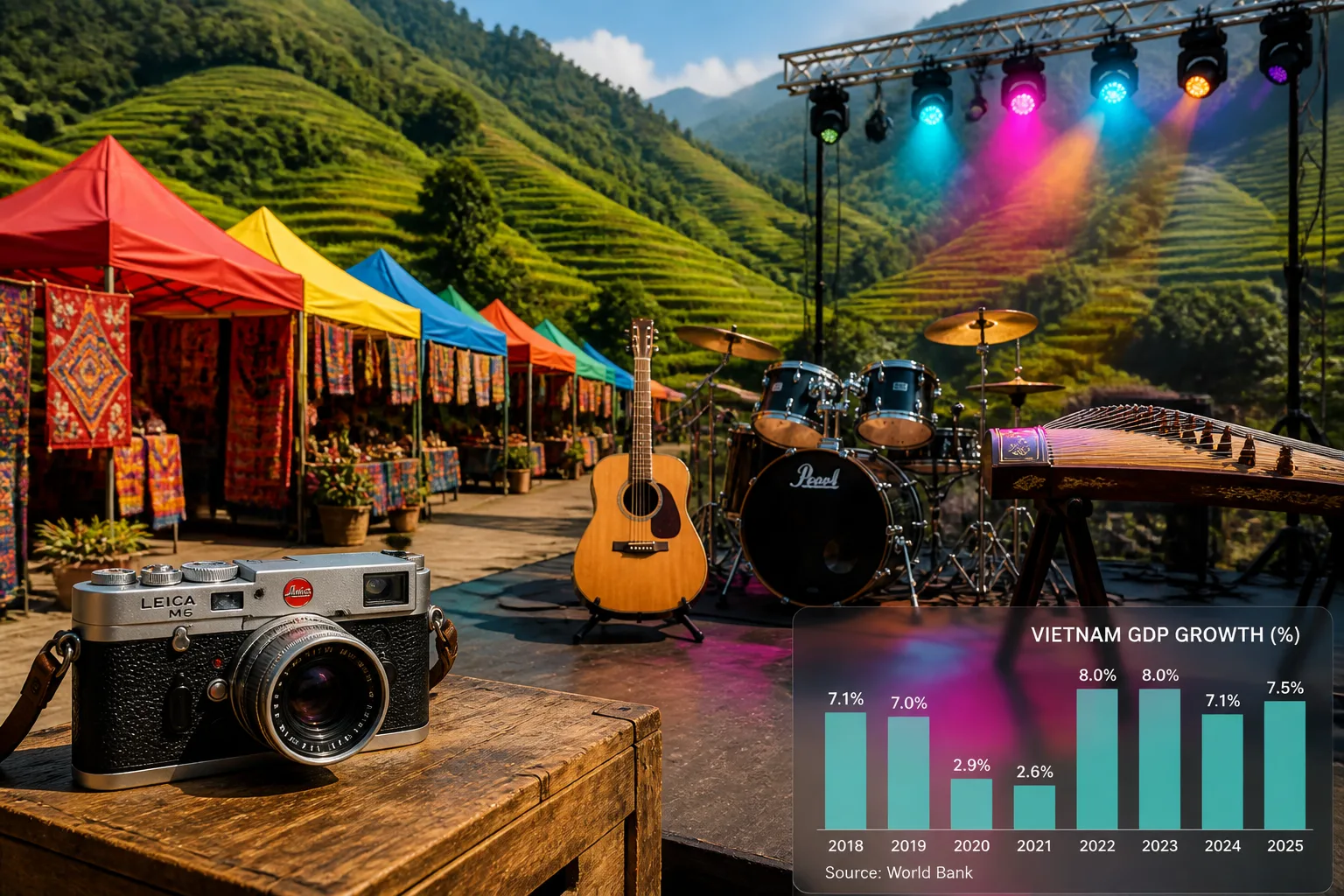
Vietnam’s music festivals are reshaping the country’s tourism map, with events in Hanoi and Ho Chi Minh City drawing tens of thousands of visitors and sparking a ripple of benefits for hospitality and travel.
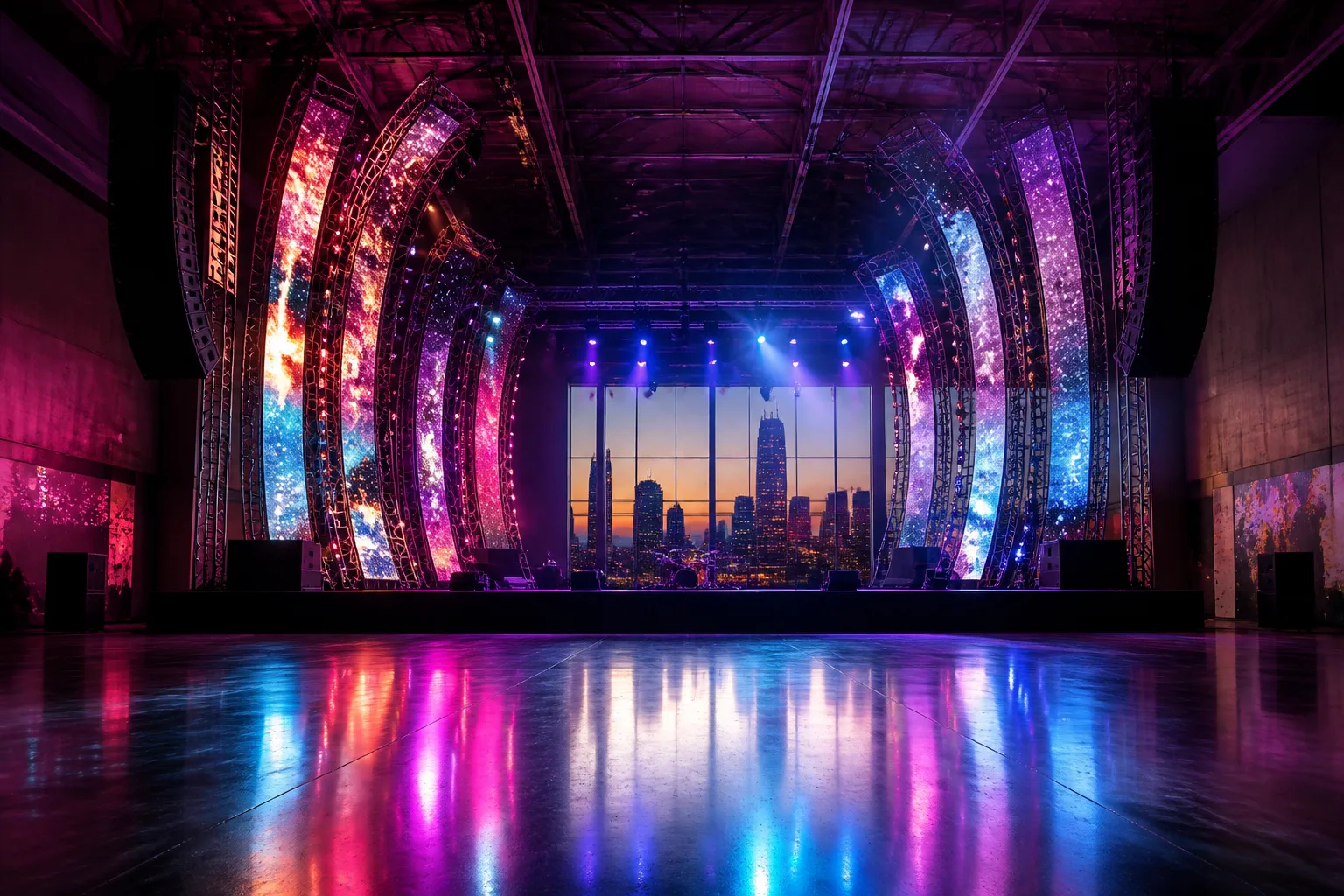
In mid‑June, the Ravolution Music Festival in Ho Chi Minh City packed the city with large‑scale stage production and international DJs. A few weeks later, Dream Cities launched its multi‑city tour in Hanoi, expanding to other urban centres and tourist hotspots with a focus on young audiences.
A 2025‑2026 snapshot from RMIT University Vietnam’s Vietnam Music Landscape report shows that the country hosted roughly 800 music‑related events in 2025. Major concerts usually attracted 25,000 to 30,000 attendees per night, and some shows reached up to 100,000 participants. The report notes that the 18‑34 age group is the biggest consumer segment and that many are willing to pay for live experiences.
Live‑event growth aligns with broader tourism trends. Vietnam’s tourism authorities reported a 14.6 % year‑on‑year rise in accommodation and food‑service revenue in 2025. In the first quarter of 2026, the country welcomed 6.76 million international visitors—a 12 % increase from 2025 and the highest quarterly level on record.
“Every concert at My Dinh Stadium creates a ripple effect throughout the hospitality sector,” said Joon Park, general manager of Sheraton Hanoi West. He added that recent events featuring artists such as Blackpink, Westlife, Coldplay, Anh Trai Say Hi, and Soobin have lifted hotel occupancy and amplified demand for integrated entertainment experiences.
Sheraton has partnered with event organisers to craft accommodation packages and fan‑focused gatherings during concert periods. Large‑scale events held in integrated township developments such as Ocean Park also boost visitor flows and short‑term lodging demand in suburban areas outside central Hanoi.
Policy support is clear. Resolution No. 80‑NQ/TW, issued in January, aims to make Vietnam an attractive destination for regional and global cultural and artistic events by 2030 and to strengthen international cultural integration.
Student Nguyen Dang Tuyet Ngan, a fourth‑year student at Hanoi University, has attended Dream Cities for two consecutive years and looks forward to the 2026 edition. “Each year feels different in terms of atmosphere and line‑up, so I’m quite excited to see how it develops this year,” she said. She noted that she typically spends $40–$60 on tickets and related costs, which she finds reasonable. Nguyen also observed that many attendees travel in groups and stay for the full event, turning it into a full‑day experience rather than a brief performance.
Other festivals, such as 8Wonder, have attracted tens of thousands of attendees, with some drawing close to 100,000 participants, according to organisers. These festivals have also showcased cross‑border artistic collaborations, highlighted by the display of national flags during performances, underscoring their role in cultural exchange.
The combination of rising live‑event attendance, supportive government policy, and strong tourism demand positions Vietnam’s music festivals as a growing driver of economic activity. The industry’s rapid expansion in 2025 and the continued recovery of international arrivals in 2026 suggest that festivals will keep linking cultural production with tourism and service‑sector growth.
As of now, Vietnam’s 2026 festival calendar includes the Ravolution Music Festival in Ho Chi Minh City, Dream Cities in Hanoi, and several other large‑scale shows scheduled across the country. Hospitality providers and event organisers are preparing for increased visitor flows, while government policy remains focused on positioning Vietnam as a cultural hub in Southeast Asia.