Judge Blocks Trump Plan to Rename Iconic Kennedy Center After Himself
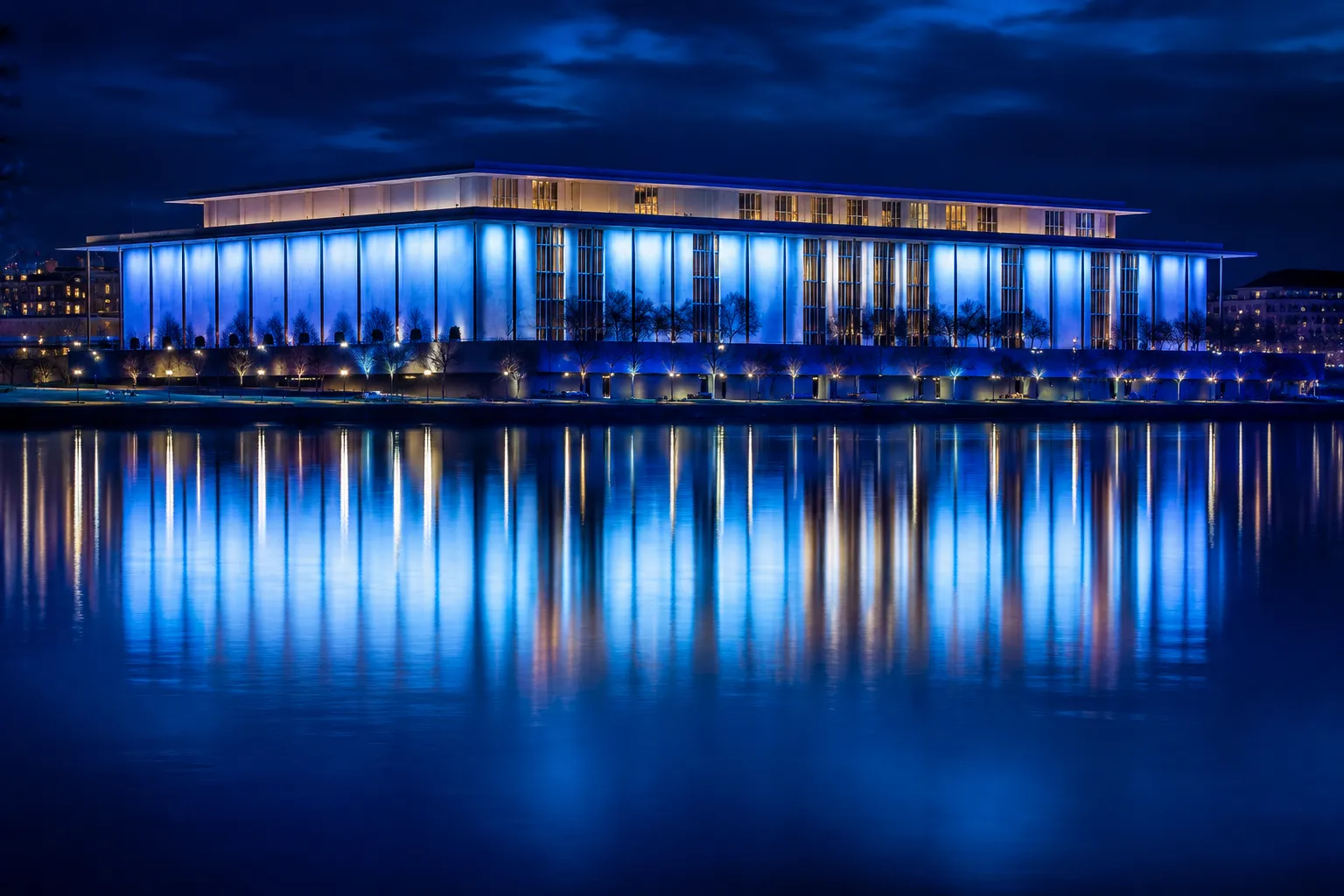
A federal judge has ordered the removal of President Donald Trump's name from the John F. Kennedy Center for the Performing Arts, delivering a major legal setback to efforts to rename one of America's most prominent cultural institutions.
In a ruling issued Friday, U.S. District Judge Christopher Cooper concluded that the Kennedy Center's board exceeded its legal authority when it voted to rename the institution after Trump. The judge ordered that all signage bearing Trump's name be removed and that references to a "Trump Kennedy Center" be eliminated from official materials within 14 days. Cooper also blocked plans to close the facility for an extensive renovation project while litigation continues.
The decision marks the latest chapter in a months-long battle over the future of the nation's premier performing arts venue. The controversy began after the Kennedy Center board, which had been reshaped with Trump allies, voted in late 2025 to rename the institution the "Trump-Kennedy Center." Large exterior signage was installed, branding materials were updated, and the venue's website reflected the change. The move immediately sparked opposition from lawmakers, arts advocates, preservation groups, and members of the Kennedy family, many of whom argued that only Congress has the authority to alter the name of the congressionally established memorial to President John F. Kennedy.
At the center of the legal fight was Congresswoman Joyce Beatty of Ohio, an ex officio member of the Kennedy Center's board. Beatty filed suit arguing that the board's actions violated federal law and ignored Congress's intent when it established the center as the nation's living memorial to Kennedy. Her legal filings repeatedly asserted that the institution's name was set by statute and could not be changed through a board vote alone. Several preservation and cultural organizations also launched separate legal challenges related to proposed renovations and broader changes to the facility.
Judge Cooper largely agreed with those arguments. In his ruling, he stated that Congress gave the Kennedy Center its name and that only Congress possesses the authority to change it. The court concluded that the board had "overstepped its statutory bounds" when it attempted to add Trump's name to the institution. The ruling effectively freezes the rebranding effort and restores the venue's traditional identity while appeals move forward.
The judge also addressed plans to temporarily close the center for a major renovation project. Earlier this year, Kennedy Center leadership announced intentions to shut the facility for an extended period while a large-scale modernization effort moved forward. Critics argued that the closure process was rushed and lacked adequate oversight. Cooper blocked the proposed shutdown, though he indicated that necessary repair and maintenance work could continue.
Supporters of the renaming effort argued that Trump had played a major role in fundraising and future development plans for the center. Kennedy Center officials previously told the court that removing Trump's name could damage fundraising efforts and sever relationships with donors supporting renovation initiatives. They also argued that the center required extensive upgrades and that the administration had committed significant resources toward preserving the institution's future.
Opponents saw the issue differently.
Many artists, patrons, and cultural organizations viewed the renaming as an unprecedented attempt to place a sitting president's name above one of the nation's most important artistic landmarks. The controversy fueled cancellations, protests, and widespread debate throughout the performing arts community. Critics argued that the Kennedy Center's mission transcends politics and that its identity should remain tied to President Kennedy, whose name Congress attached to the institution more than half a century ago.
For now, the court's ruling restores the status quo.
The Kennedy Center will keep its historic name, remain open to audiences, and continue hosting concerts, theater productions, dance performances, and cultural events while the legal battle proceeds. Whether an appeals court ultimately reaches the same conclusion remains to be seen, but Friday's decision represents a significant victory for those seeking to preserve the institution's original identity.
As one of the most recognizable performing arts venues in the world, the Kennedy Center has long served as a home for musicians, actors, dancers, orchestras, and artists of every kind.
For the moment, at least, it will continue doing so under the name Congress originally gave it.