Totó la Momposina, Voice of Colombia's Soul, Dies at 85
The world of music has lost one of its most important cultural ambassadors.
Totó la Momposina, the legendary Colombian singer who spent more than six decades preserving and sharing the traditional music of Colombia's Caribbean coast, has died at the age of 85. Her family confirmed that she passed away in Mexico following a heart attack, bringing to a close one of the most influential careers in Latin American folk music.
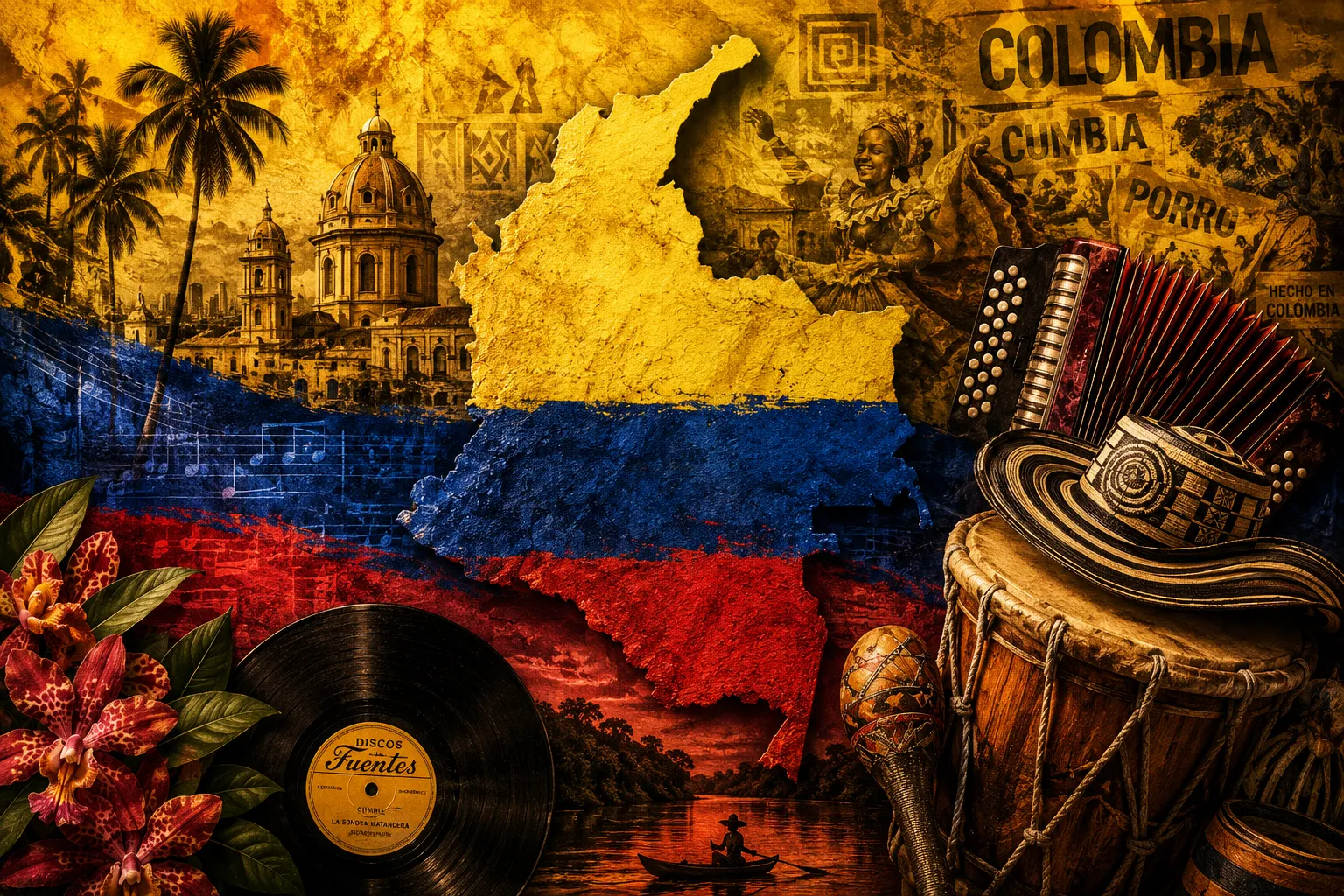
Born Sonia Bazanta Vides on August 1, 1940, in Talaigua Nuevo along Colombia's Magdalena River, Totó became internationally known as the "Queen of Cumbia." Throughout her life she dedicated herself to preserving and promoting traditional Colombian styles including cumbia, bullerengue, porro, mapalé, and tambora. Her music drew from a rich blend of African, Indigenous, and Spanish influences that have shaped Colombia's Caribbean cultural identity for centuries.
Music ran through her family for generations. Her father was a percussionist, her mother was a singer and dancer, and Totó began performing as a child. As a young woman she traveled extensively throughout Colombia, learning regional folk traditions directly from musicians and cantadoras who carried the oral traditions of the country's Caribbean communities. These experiences would become the foundation of her life's work.
Political turmoil eventually led her to leave Colombia for France in the late 1970s. While living in Paris, she studied music and culture at the Sorbonne while continuing to perform internationally. Her profile rose significantly in 1982 when she joined Colombian Nobel Prize winner Gabriel García Márquez during celebrations surrounding his Nobel Prize in Literature. The appearance introduced many international audiences to the rhythms and traditions she championed.
Her global breakthrough arrived in 1993 with the release of La Candela Viva on Peter Gabriel's Real World Records label. The album introduced millions of listeners around the world to Colombian folk music and established Totó as one of the leading voices in the growing world music movement. She became a regular performer at WOMAD festivals and toured internationally for decades, bringing traditional Colombian sounds to concert halls and festival stages across Europe, North America, and beyond.
What made Totó unique was her commitment to authenticity. While many artists modernized traditional music to appeal to wider audiences, she remained devoted to preserving the rhythms, instruments, and vocal traditions that had been passed down through generations. Her performances featured vibrant percussion, traditional dances, colorful costumes, and songs deeply rooted in Colombia's cultural history. Audiences around the world responded to the sincerity and power of her work.
Over the course of her career, Totó received numerous honors recognizing her contributions to music and culture. She earned Latin Grammy recognition, including a Lifetime Achievement Award, and was named a Chevalier of the Ordre des Arts et des Lettres by France. Her music was sampled and admired by artists from multiple genres, introducing her influence to entirely new generations of listeners.
In 2022, health concerns led her to retire from live performance after more than sixty years on stage. Despite stepping away from touring, her legacy continued to grow. For many Colombians, Totó la Momposina represented far more than a singer. She was a living symbol of cultural preservation, a bridge between generations, and a global ambassador for the traditions of Colombia's Caribbean coast.
Today, tributes continue to pour in from musicians, cultural institutions, and fans around the world. Peter Gabriel remembered her warmth, musicianship, and extraordinary voice, while Colombia's Ministry of Culture described her as an eternal teacher whose work helped define an entire chapter of the nation's cultural history.
Totó la Momposina leaves behind children, grandchildren, countless admirers, and a body of work that helped carry the sounds of Colombia from small villages along the Magdalena River to the world's biggest stages. Her voice may be gone, but the rhythms she championed will continue to echo wherever cumbia, bullerengue, and the spirit of Colombia are celebrated.