Gen Z Is Bringing Music Back to Earth: Why Vinyl, CDs, and Record Stores Are Suddenly Cool Again
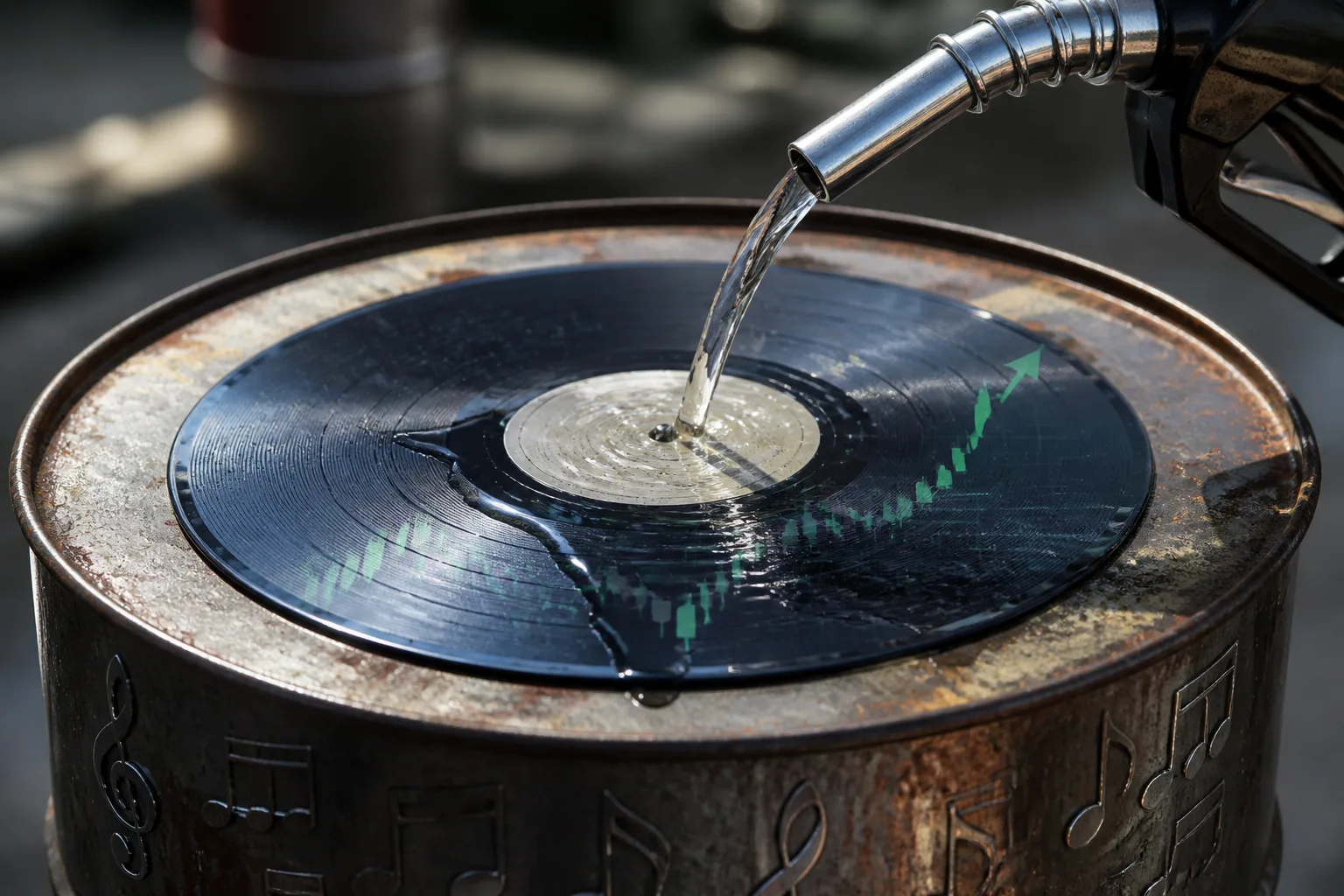
For years, the music industry's future seemed obvious. Streaming won. Physical media lost. CDs became relics. Vinyl looked like nostalgia. Entire generations grew up believing music simply lived inside apps, subscriptions, and cloud libraries. But something unexpected has happened: the generation raised entirely in the streaming era appears to be rediscovering something older — and in the process may be changing parts of the music business again. A recent report from WUSF highlighted the surprising trend, noting that despite streaming now representing 82% of U.S. music revenue, younger listeners are increasingly purchasing vinyl records and CDs instead of relying entirely on digital platforms.
That sounds backwards at first.
Why would a generation raised with instant access suddenly decide they want shelves, turntables, jewel cases, and records?
Because Gen Z may not simply be buying music.
They may be buying ownership.
For years listeners gradually traded collections for subscriptions. Huge CD towers disappeared from bedrooms. MP3 folders vanished from hard drives. Physical libraries slowly transformed into playlists controlled entirely by apps and platforms. The convenience felt incredible. Millions of songs became available instantly. But convenience sometimes creates unexpected tradeoffs. Younger listeners increasingly understand something older generations once experienced naturally: when subscriptions disappear, content disappears too.
One college student interviewed in the original reporting explained it simply: if you do not have Wi-Fi or a subscription, your music effectively disappears. That statement may explain far more than people realize. For decades music ownership felt automatic. You bought an album, and it belonged to you. Today access often replaces ownership. Songs exist until licensing agreements change, streaming platforms alter libraries, accounts expire, or digital ecosystems shift. Gen Z increasingly appears interested in reclaiming something tangible.
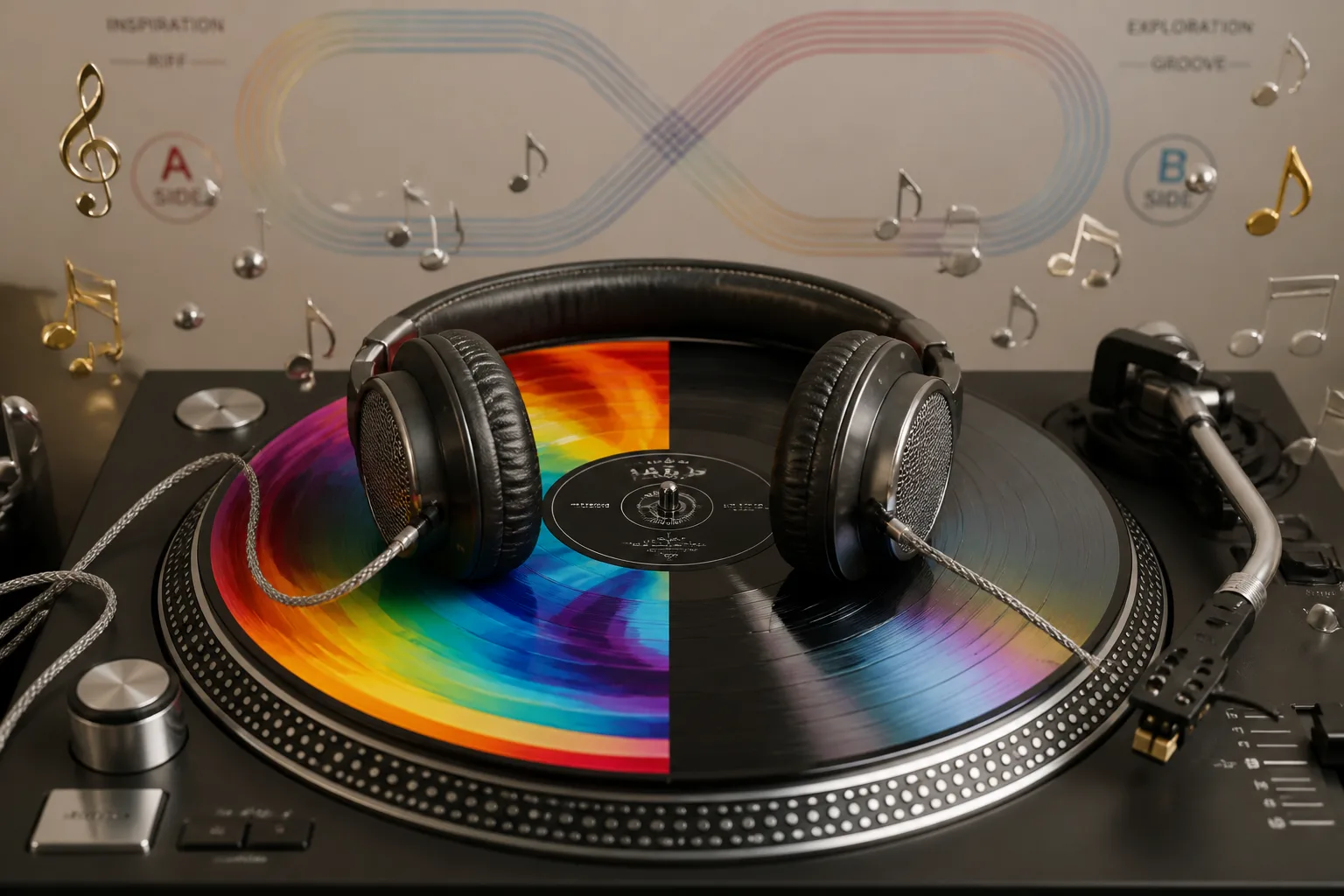
Part of the appeal also appears emotional. Physical media creates rituals. Streaming encourages endless skipping, recommendations, and fragmented listening habits. Vinyl often asks listeners to slow down. You choose a record. You place it on the turntable. You sit with an album rather than treating songs like disposable background noise. One record-store owner interviewed for the report explained that physical formats frequently encourage listeners to experience complete albums rather than bouncing endlessly from track to track. In an era dominated by infinite scrolling, slowing down itself may have become part of the attraction.
Modern artists also helped accelerate the movement. Music stars increasingly understand that records are no longer simply products. They are collectibles. Experiences. Events. Multiple vinyl variants, alternate covers, special packaging, limited releases, and exclusive editions transformed physical formats into something much larger than nostalgia. Younger audiences are not necessarily collecting records because they miss older eras. Many never experienced those eras at all. They are collecting because physical media feels personal.
Major artists like Taylor Swift have become central to that movement. Massive vinyl campaigns and multiple collectible editions turned albums into cultural events of their own. The original reporting noted that younger audiences increasingly participate in these buying communities, helping drive a substantial portion of physical-media growth. What once looked like a niche revival now increasingly resembles a major consumer shift.
Another factor people sometimes overlook involves supporting artists directly. Streaming transformed access forever, but discussions surrounding artist compensation never fully disappeared. Younger listeners increasingly recognize that purchasing vinyl, CDs, merchandise, and physical products often represents stronger direct support than passive streams alone. One fan interviewed described physical purchases as a louder form of appreciation — visible proof of support rather than invisible background activity.
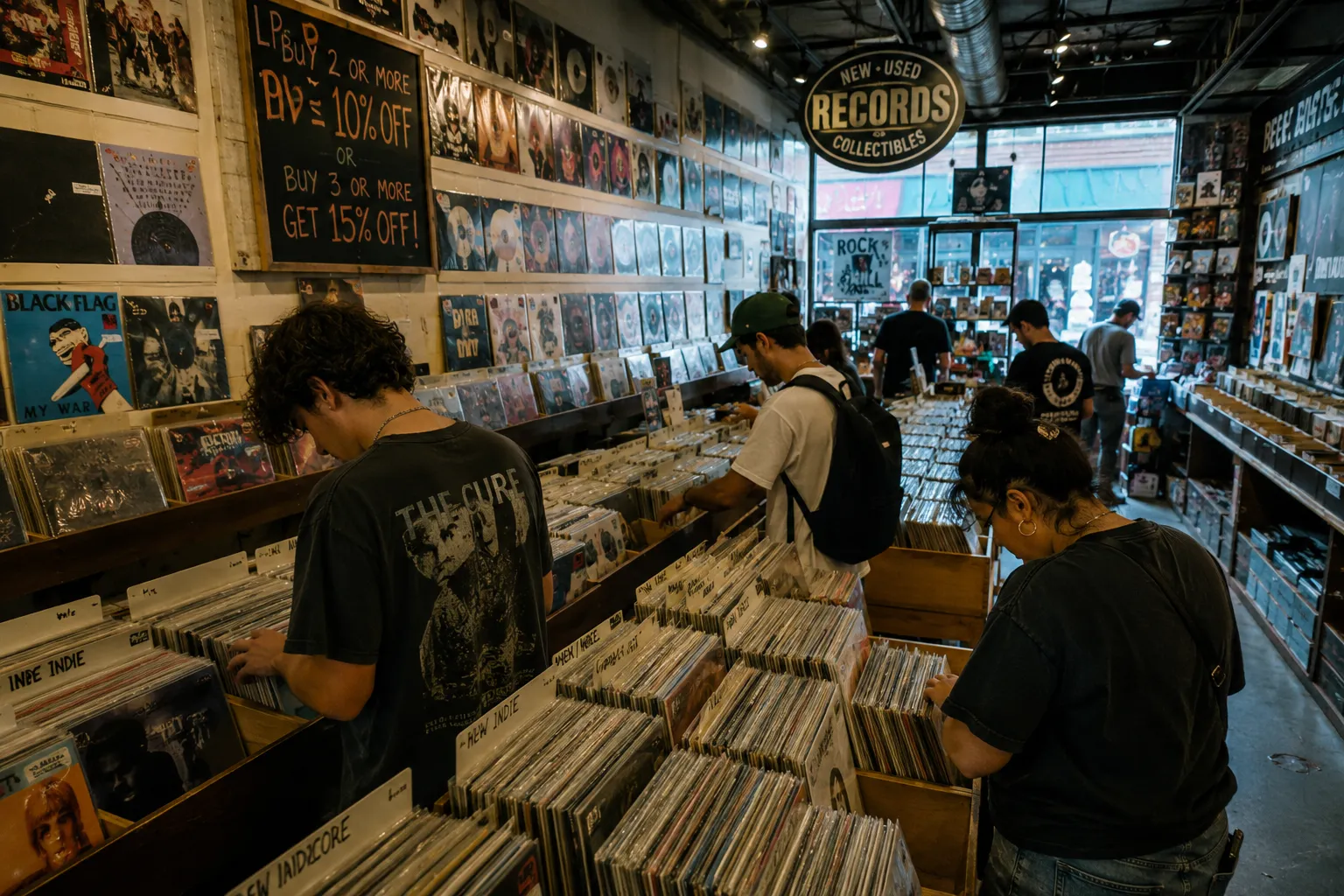
Record stores themselves are seeing the effects. For years independent shops often felt endangered, surviving largely through longtime collectors and loyal communities. Now many owners report younger audiences increasingly walking through their doors. What may have started as curiosity or vintage aesthetics appears increasingly tied to authenticity itself. Ironically, one of the most digitally connected generations in history seems increasingly fascinated with experiences that feel local, physical, and real.
None of this means streaming is disappearing. Streaming dominates music consumption and likely will continue doing so for years. It remains central to discovery and convenience. But culture rarely moves in straight lines. History often creates strange loops. Sometimes technology advances so aggressively people eventually miss pieces left behind.
For years the music industry moved upward into subscriptions, algorithms, cloud libraries, and digital ecosystems.
Now some listeners appear interested in bringing parts of it back down to earth.
Maybe Gen Z is not rejecting the future.
Maybe they are rebuilding pieces of the past and taking them with them.