From Saxophone Riffs to Metal Solos: One Musicians Journey Through Instrumental Evolution
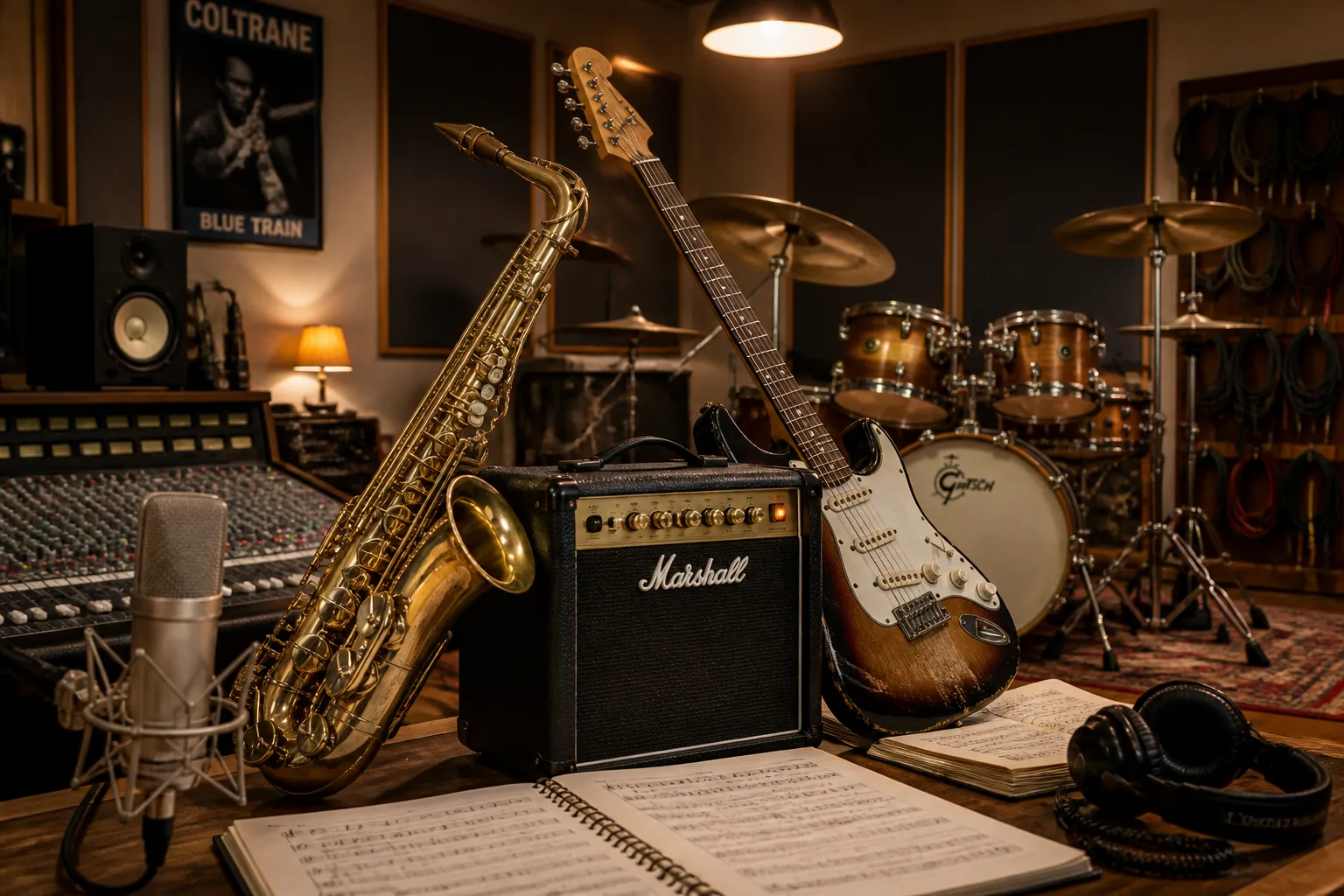
A school‑era saxophone lesson sparked a lifelong musical path that has taken the musician from classic rock to metal and electronic production. The story began when a new music teacher introduced the class to woodwind instruments and played the iconic saxophone riff from Gerry Rafferty’s 1978 hit “Baker Street.” The musician, then nine or ten, was immediately drawn to the sound and enrolled in lessons, a decision that set the stage for a career built on diverse influences.
The “Baker Street” sax solo, performed by Raphael Ravenscroft, is one of the most recognizable saxophone lines in popular music. The song itself won a 1979 Ivor Novello Award for Best Song Musically and Lyrically and reached the top three in the UK and US charts. The saxophone, invented by Belgian maker Adolphe Sax in the early 1840s, has long been a staple in jazz, big‑band, and rhythm‑and‑blues settings. By the 1970s, it had also made a brief return to pop music, but its presence in mainstream recordings has since diminished.
After several years of saxophone study, the musician’s interest shifted to the electric guitar, a move that mirrored the instrument’s rise in the 1950s and 1960s as the backbone of rock and roll. The electric guitar, first developed in 1932, uses pickups to convert string vibration into electrical signals that are amplified. Its versatility has made it central to genres ranging from blues and jazz to hard rock and heavy metal.
Classic rock bands such as Guns N’ Roses, Queen, and The Beatles—whose recordings the musician’s family listened to on car trips—provided the next chapter of inspiration. The guitar solos of Slash and the driving riffs of these groups reinforced a deep appreciation for the electric guitar’s expressive potential. The musician’s early exposure to these recordings helped shape a preference for melodic, riff‑based music.
A pivotal moment came when an older brother introduced a CD of Avenged Sevenfold’s “Beast and the Harlot” from the 2005 album City of Evil. The track’s aggressive vocals, precise drumming, and soaring guitar solos opened a gateway to metal. The musician spent countless hours practicing the band’s songs, noting the technical demands of modern metal guitar work.
In the early 2010s, the musician’s university years coincided with the rise of dubstep and electronic dance music. Artists such as Skrillex, KOAN Sound, and Feed Me dominated the scene, and the musician experimented with production and sound design. The experience broadened the musician’s understanding of music beyond performance, adding skills in mixing, synthesis, and digital audio workstations.
More recently, the musician has explored sub‑genres of metal that blend classical elements and extreme vocal styles, such as the bands Synestia and Mental Cruelty. These groups are noted for their virtuosic guitar work and high‑fidelity production, qualities that the musician finds appealing. While deathcore and similar styles have limited commercial demand in production‑music libraries, the musician remains interested in the artistic possibilities of these genres.
Throughout this journey, the musician has maintained a habit of listening to classical music in the background while working or reading, using it as a palate cleanser after more intense listening sessions.
The narrative illustrates how early exposure to specific instruments and genres can shape a musician’s trajectory. It also reflects broader industry trends: the saxophone’s decline in pop, the electric guitar’s dominance in rock and metal, and the growing importance of electronic production skills in contemporary music careers.
At present, the musician continues to develop technical proficiency across instruments and production techniques, with no announced public releases or touring plans. The focus remains on personal growth and exploration of diverse musical styles.