Universal Music Publishing Group Hosts Code-M Songwriting Camp in Shanghai to Bridge Chinese and Global Music Markets
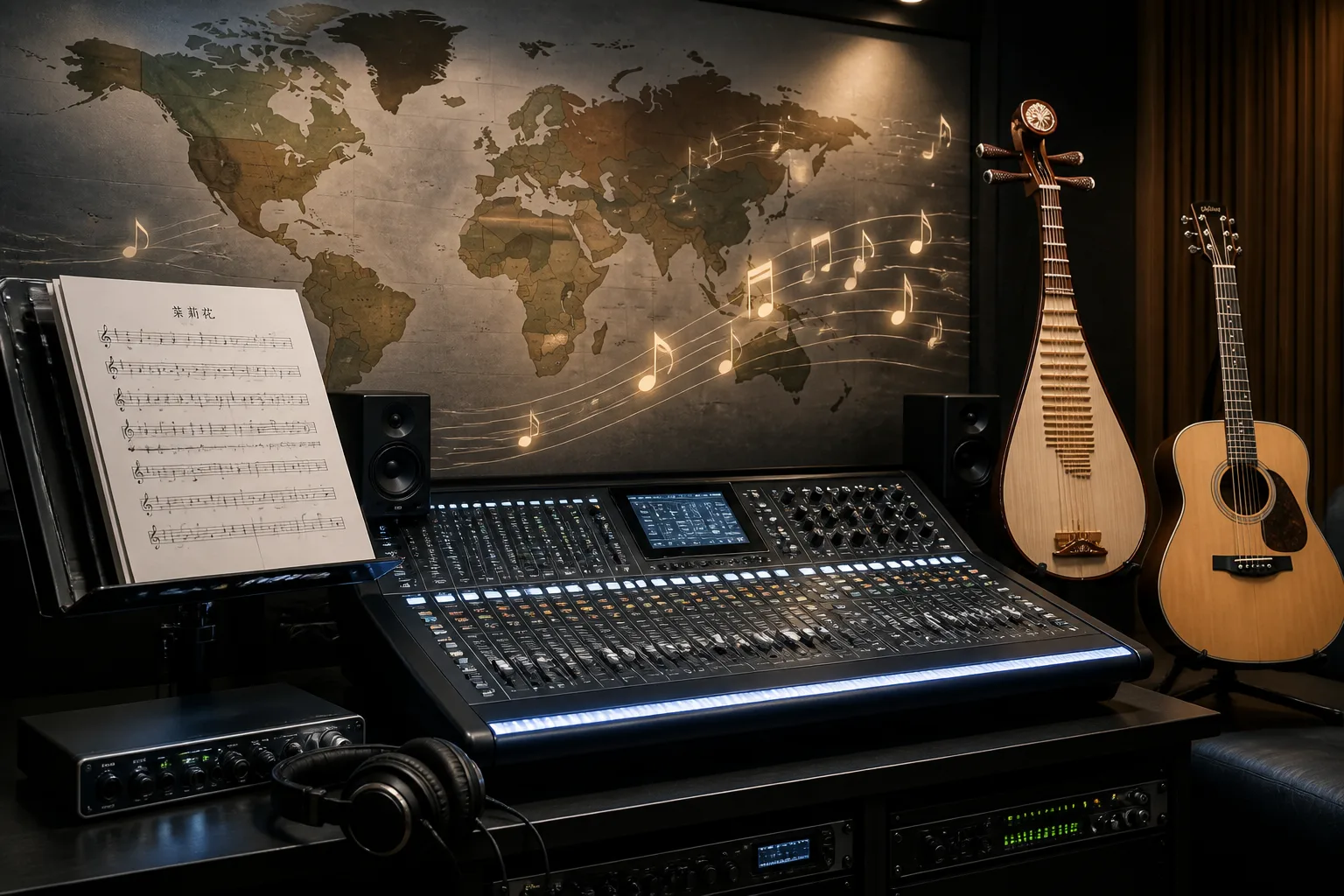
In the heart of Shanghai’s bustling music scene, Universal Music Publishing Group China (UMPG China) staged a week‑long songwriting camp that brought together 13 songwriters and producers from Chinese‑speaking regions and from Europe and the Americas. From July 5 to 10, 2026, creators worked side‑by‑side, producing more than 20 new tracks that were unveiled at a closing ceremony on July 10.
The event, titled “Code‑M: Conversation in Music,” was a key element of UMPG’s broader strategy to strengthen ties between China’s growing music market and the international industry. In June 2026 the publisher rolled out a new global brand identity that places songwriters at the centre of its cultural mission. The Shanghai camp was the first to pair creative collaboration with a formal session on the commercial operation of music‑publishing rights.
Participants ranged from well‑known Hong Kong lyricist and producer Jolland Chan to Chinese folk‑rock singer‑songwriter Wan Xiaoli, Malaysian Mandarin producer VChuan, lyricist Ruiye, and avant‑garde singer‑songwriter Akini Jing. Other contributors included Alipu from Xinjiang, Australian writers Benny Morrell and Matthew Choi (Saint Leonard), Hong Kong producers JNYBeatz and Matthew Tong, Singaporean songwriter Ralph Pan, Portuguese hitmaker TYOZ, electronic producer WILLIM, Chinese drum‑and‑bass pioneer Radiax Yang, Chinese singer‑songwriter Yang Moyi, Canadian‑born Laird (Zhou Yutian), and Akini Jing.
During the camp, the 13 creators were divided into three groups that reflected distinct artistic styles. Each group worked on several tracks, resulting in more than 20 finished songs. At the closing ceremony the works were performed for UMPG‑signed songwriters, licensing partners, and business associates.
Jolland Chan opened the evening by stressing the importance of a clear artistic vision, remarking that “music should be forward‑looking, not following big‑data trends.” Wan Xiaoli praised the quality of the presentations, while VChuan expressed enthusiasm for the diverse styles that emerged. First‑time participant Ruiye said the camp allowed him to break out of habitual patterns by drawing on the musical environments of other regions. Akini Jing highlighted the collaborative nature of the event, stating that “the songwriting camp brought together different people, each leaving their own stories in the same song.”
The new exchange session on publishing rights was a first for UMPG. It aimed to deepen songwriters’ understanding of commercial models and to foster dialogue between business partners, writers, and their management companies. The session aligns with UMPG’s new brand identity, which emphasizes the role of songwriters in reaching wider audiences.
UMPG is a global publisher with 48 offices in 46 countries. It represents writers such as Jay Chou, Taylor Swift, Adele, and Eminem, and it provides synchronization licensing for major studios including Warner Bros., Universal Pictures, DreamWorks Animation, and NBCUniversal Television.
The Shanghai camp concluded on July 10 with the presentation of the new works and a closing ceremony attended by UMPG China managing director Patricia Sun. No further public statements have been released regarding the next steps for the songs or potential releases.
The event demonstrates UMPG’s ongoing effort to facilitate cross‑border musical collaboration and to promote Mandarin music on a global stage. The camp’s outcomes may influence future publishing deals and collaborative projects between Chinese and international songwriters.