Jose Mari Chan Clarifies Royalty Comments: Physical Format Earnings Decline, Digital Streams Continue
When Jose Mari Chan spoke about ‘royalty checks’ at a media conference, the conversation didn’t end at the mic—it spread across social media, sparking a debate about whether the veteran balladeer had stopped earning royalties altogether.
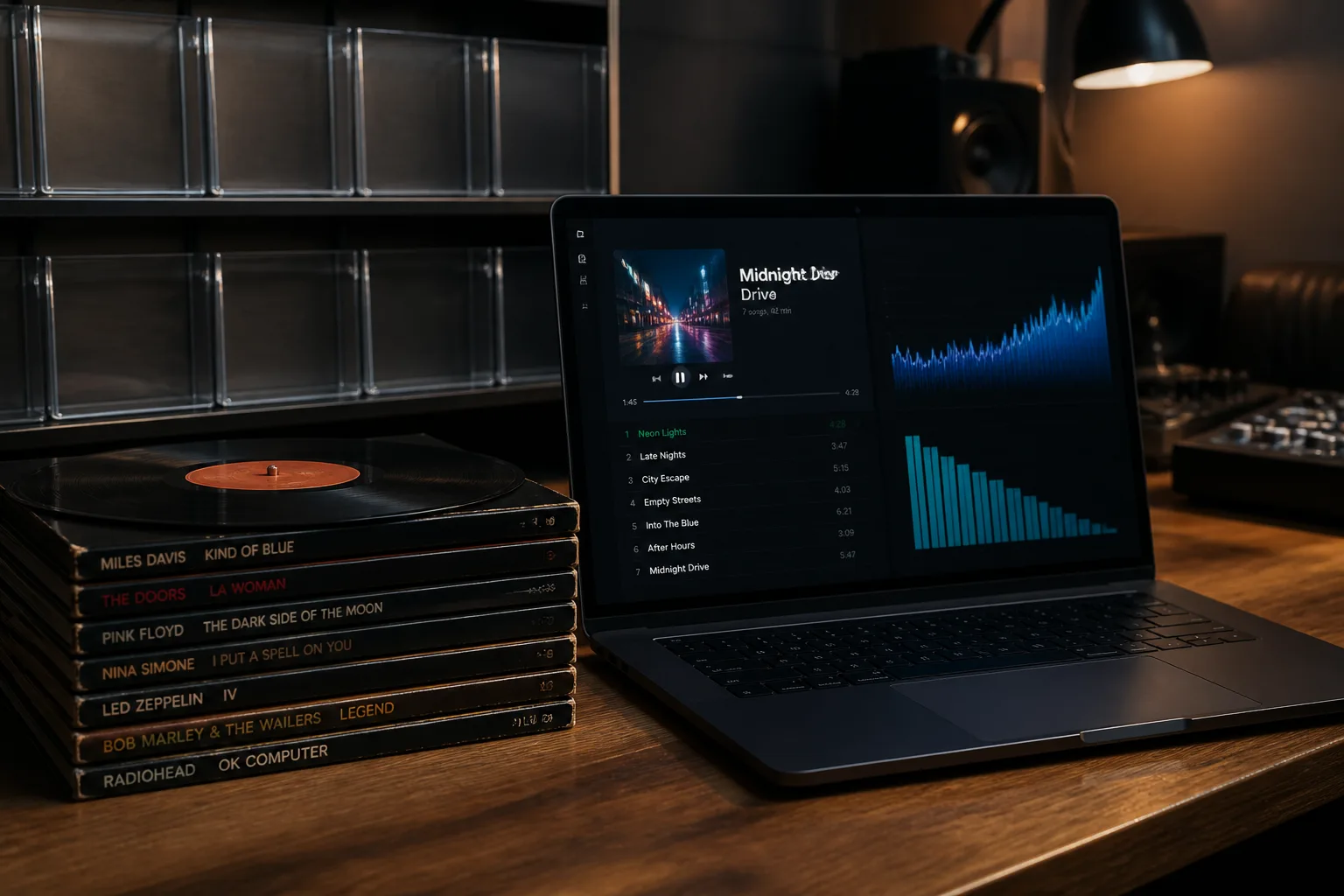
The singer’s remarks, made in early June in preparation for his upcoming concert Afterglow: Seasons of the Heart, were taken by some to mean that he no longer received any royalty income. In reality, Chan clarified that the comment applied only to mechanical royalties generated by physical formats—CDs, cassettes and vinyl records. He said that the steady decline of physical album sales has reduced the checks he receives from those sales.
Universal Records, the label that represents Chan, issued a statement to set the record straight. Managing Director Kathleen Dy‑Go explained that the singer’s comments were specific to the mechanical royalties generated by physical record sales. “As physical music formats have gradually declined over the years, so have the royalties associated with those sales,” Dy‑Go said. “His statement should not be construed to mean that he no longer receives royalties from his music altogether.” She added that artists can still earn from digital streaming platforms, music publishing, synchronization licenses, public performances and other authorized uses of their recordings, depending on their agreements.
The clarification mirrors a broader trend in the Philippine music market. Physical album sales have fallen sharply since the early 2000s, while digital streaming has become the dominant revenue source for most artists. According to industry data, streaming services now account for the majority of recorded‑music income in the country, a shift that has forced labels and performers to diversify their income streams.
Chan’s career began in 1967, and he released his debut album Deep in My Heart in 1969. Over the years he has sold millions of records and earned numerous platinum and diamond certifications. His catalog, which includes the Christmas classic “Christmas in Our Hearts,” continues to sell in both traditional formats and digital platforms. The singer’s remarks underscore how even long‑time artists must adapt to the changing economics of music distribution.
The Afterglow: Seasons of the Heart concert is scheduled for July 11 at the Philippine International Convention Center (PICC) in Pasay. The event, organized by QR Events Solution Inc., will feature Chan’s signature songs and is billed as an emotionally immersive experience that blends performance with cinematic storytelling. The venue, a key cultural hub in the Philippines, has hosted numerous high‑profile concerts and conventions.
For Universal Records, the clarification serves to educate the public about the complex nature of music royalties. The label, founded in 1977 and now an independent entity within the Warner Music Group, has long supported artists in navigating the transition from physical to digital revenue models. By emphasizing that royalties from physical sales are just one component of an artist’s income, Universal underscores the importance of multiple revenue streams for sustaining a music career.
In short, Jose Mari Chan’s statement refers solely to the decline of mechanical royalties from physical formats. He continues to earn from other sources such as streaming, publishing and licensing. Universal Records’ explanation clarifies the distinction and reaffirms that the singer’s overall royalty income remains intact. The upcoming concert at PICC will provide a platform for Chan to showcase his enduring catalog while highlighting the evolving landscape of music revenue in the Philippines.