Haroon Shahid Calls Out Production Houses for Delayed Payments, Highlights Struggles of Independent Musicians
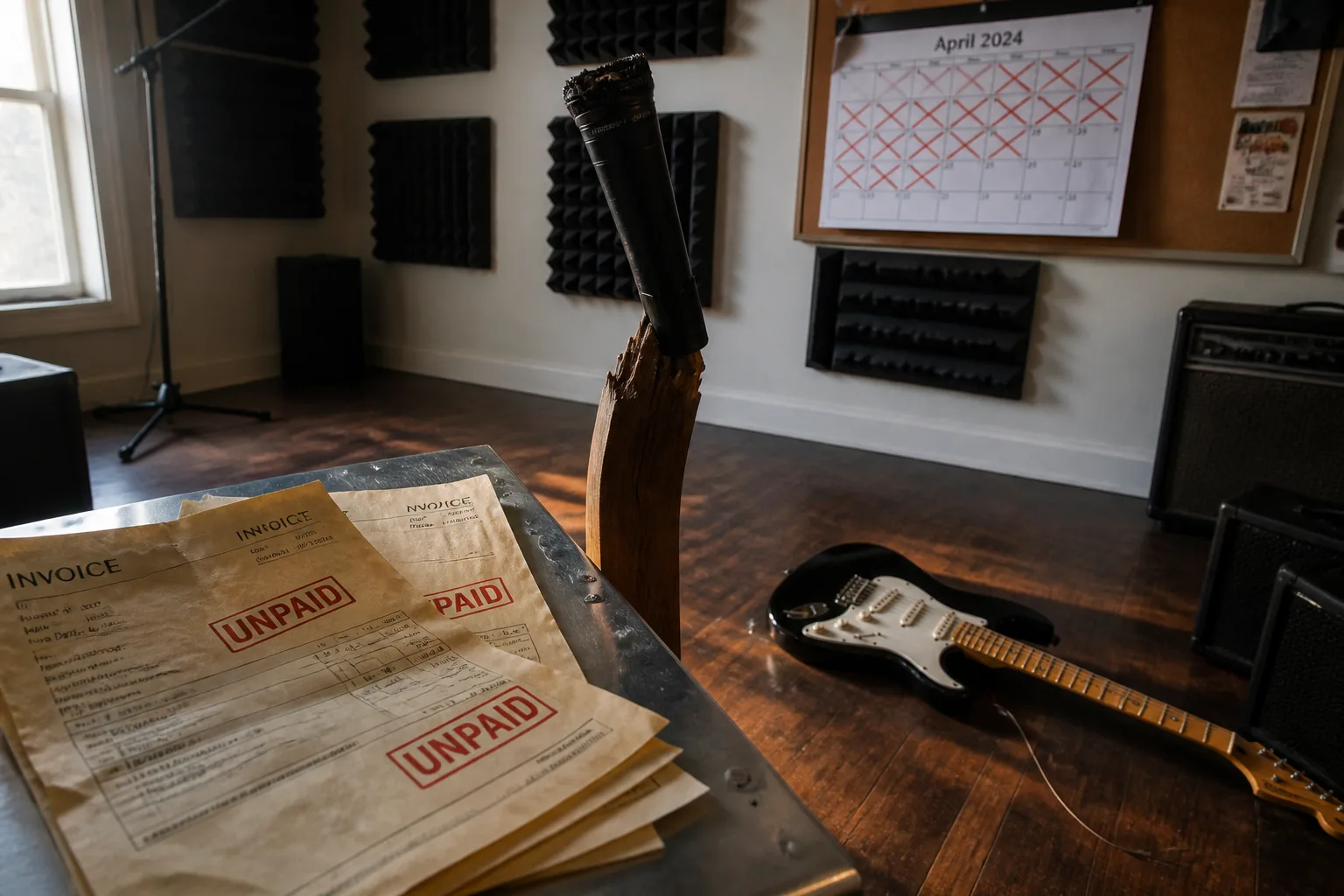
When Haroon Shahid opened up on a recent podcast, he didn’t just talk about his acting career – he rattled the status quo of Pakistan’s music industry. The former frontman of Symt, now a well‑known actor, accused production houses of routinely delaying payments to artists and crew, a practice he says “harms junior artists the most but also affects established performers who are constantly chasing what is contractually ours.”
Shahid’s remarks hit a nerve in a sector already grappling with financial uncertainty. He argues that the economic model that once sustained independent musicians has largely collapsed. Shrinking opportunities for live performances, coupled with the absence of reliable royalty structures, have pushed many musicians toward acting as a more stable source of income. In a broader context, the industry’s revenue streams have shifted toward streaming, but the distribution of royalties remains uneven. Production houses, according to Shahid, often exploit this gap by withholding payments, a pattern he says is now common.
The actor also took aim at current casting practices in Pakistani film and television. “An influencer or a TikToker cannot automatically be treated as an actor,” he said, warning that casting based on social‑media follower counts risks undermining storytelling quality and the long‑term health of the industry. Shahid emphasized that an actor’s craft, script comprehension and emotional depth are essential qualities that should guide casting decisions.
Shahid’s own transition from music to acting began with his debut in Shoaib Mansoor’s 2017 film Verna, where he played the lead opposite Mahira Khan. He recalled that Khan advised him to stay grounded, focus on his craft and avoid letting industry pressures define his worth. The actor also discussed his move from Lahore to Karachi, describing the city as a “transformative” environment that offered opportunities, connections and a creative atmosphere that helped him establish himself in the acting industry.
The comments highlight a pattern of financial uncertainty that has been reported elsewhere in Pakistan’s entertainment sector. Independent musicians face high touring costs, limited revenue streams and a lack of transparent payment practices. Industry observers note that the decline in live performance opportunities and weak royalty enforcement have left many artists without a reliable income. Shahid’s critique also touches on the broader issue of accountability: the lack of transparency allows industry figures to exploit workers who fear professional repercussions if they speak out. This concern is echoed by other musicians who have publicly raised delayed payments and contractual disputes.
In summary, Haroon Shahid’s statements bring renewed attention to the financial challenges faced by independent musicians in Pakistan and the need for clearer payment practices in the production industry. His comments underscore the importance of protecting artists’ rights and ensuring that contractual obligations are honored in a timely manner. The industry has yet to respond formally to Shahid’s allegations, and it remains unclear whether any policy changes will result from his critique.