How Patriotic American Music Continues to Shape the Nation's Identity
Few countries have a musical tradition as deeply intertwined with national identity as the United States. From Revolutionary War marching songs to modern country ballads, patriotic music has served as a soundtrack for some of the most important moments in American history. These songs have celebrated victories, comforted citizens during times of hardship, honored military service, and reflected the evolving story of the nation itself.
For more than two centuries, patriotic music has remained a powerful cultural force. While styles and sounds have changed dramatically over time, the underlying purpose of these songs has often remained remarkably consistent: bringing Americans together through shared stories, values, and experiences.
The roots of American patriotic music stretch back to the nation's founding. One of the earliest examples remains Yankee Doodle, a song that began as a British insult aimed at colonial soldiers before being transformed into a symbol of American pride. The tune's unlikely journey from mockery to patriotism reflects the resourcefulness and resilience that would become central themes throughout American history.
As the country expanded, patriotic music evolved alongside it. Songs became a way to celebrate national achievements while reinforcing a shared sense of identity among a rapidly growing population. During the nineteenth century, music often spread more quickly than newspapers, making songs one of the most effective ways to communicate ideas and inspire unity.
Perhaps no patriotic song is more recognizable than "The Star-Spangled Banner." Inspired by Francis Scott Key's observations during the War of 1812, the anthem eventually became an official symbol of the United States and remains one of the most frequently performed songs in the nation. Its story illustrates how patriotic music often emerges from moments of crisis, perseverance, and national reflection.
The Civil War further demonstrated the power of music during periods of conflict. Songs helped maintain morale, communicate ideals, and provide comfort to soldiers and families facing tremendous uncertainty. Music became a bridge between home and battlefield, reinforcing a sense of purpose during one of the country's most challenging chapters.
As discussed in The History of American Patriotic Music: Songs That Helped Define a Nation, the late nineteenth and early twentieth centuries produced many of the patriotic standards that continue to be performed today. These songs helped shape how generations of Americans understood concepts such as citizenship, service, sacrifice, and national pride.
One of the most enduring examples is America the Beautiful. Unlike many patriotic songs that focus on military victories or political events, the song celebrates the country's landscapes, ideals, and aspirations. Its lyrics emphasize both gratitude and hope, making it one of the most beloved pieces in the American songbook.
The World War I and World War II eras saw patriotic music reach unprecedented levels of influence. Radio broadcasts carried songs into millions of homes, while performers traveled extensively to entertain troops and support wartime morale. Music became a source of reassurance and solidarity during periods when many Americans faced uncertainty about the future.
During these years, patriotic music often reflected themes of courage, determination, and unity. Songs helped strengthen emotional connections between civilians and servicemembers while providing a cultural framework for understanding national events.
The decades that followed introduced new interpretations of patriotism. Folk musicians, rock artists, country performers, gospel singers, and pop stars all contributed to the evolving tradition. Some songs celebrated American achievements, while others explored national challenges and encouraged reflection about the country's future.
This diversity of perspectives is one reason patriotic music has remained relevant. Rather than existing as a single style or genre, it has continuously adapted to changing cultural and historical circumstances. Each generation contributes new voices while building upon traditions established by earlier musicians.
Country music has played a particularly significant role in maintaining patriotic themes in modern American music. Many country artists have recorded songs honoring veterans, military families, first responders, and community values. These recordings frequently resonate with audiences seeking music that reflects personal experiences and national identity.
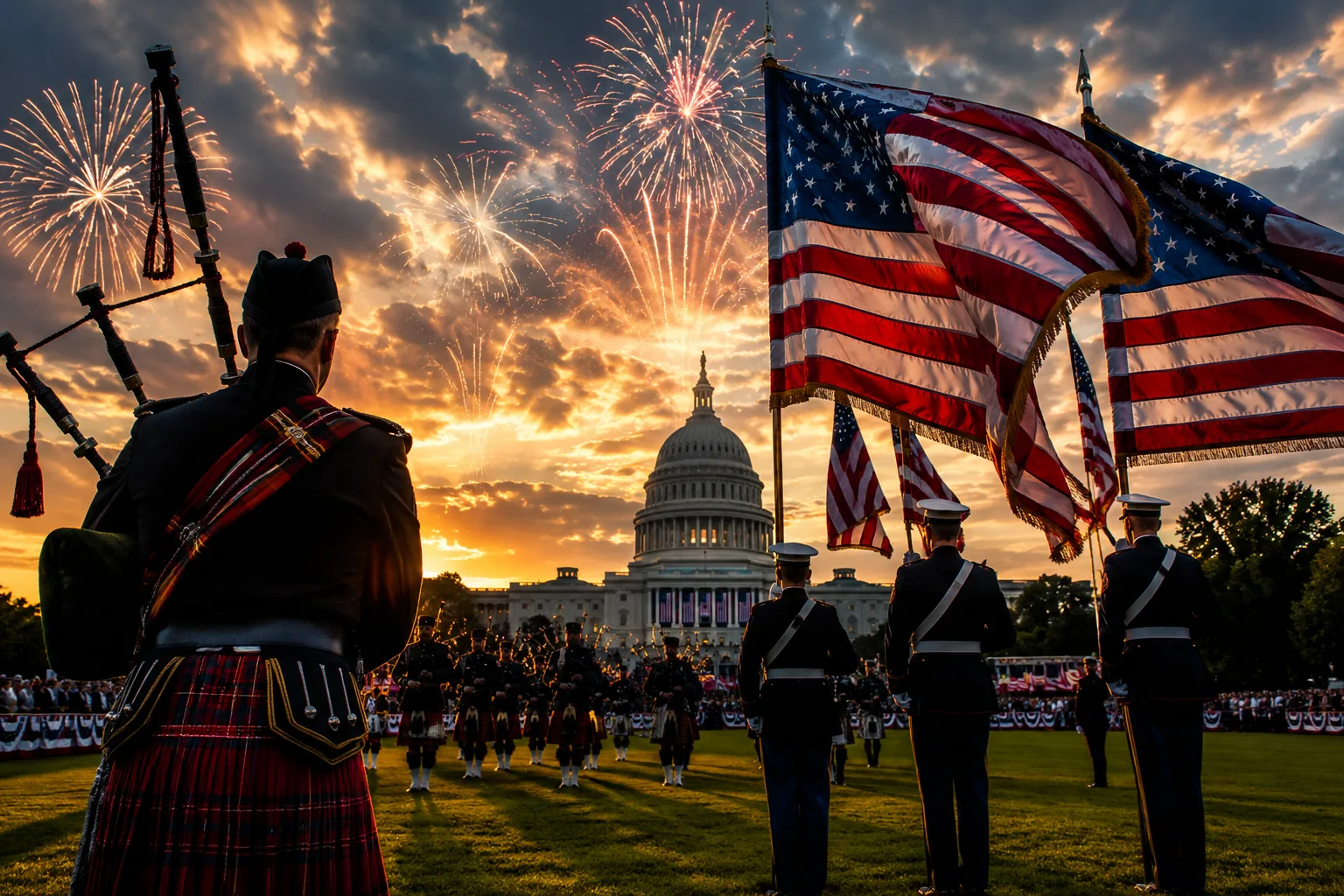
Patriotic music also remains deeply connected to public celebrations. Fourth of July events, Memorial Day ceremonies, Veterans Day observances, presidential inaugurations, sporting events, and community gatherings all continue to feature songs that have become part of America's cultural vocabulary.
Today, patriotic music exists alongside a rapidly changing media landscape. Streaming platforms, social media, and digital distribution allow listeners to access centuries of American music instantly. Historic recordings now sit alongside contemporary interpretations, giving audiences unprecedented opportunities to explore the evolution of patriotic expression.
The continued popularity of patriotic music demonstrates that songs remain one of the most effective ways to preserve history. Long after political speeches are forgotten and headlines fade from memory, music often continues to carry stories from one generation to the next.
Whether through the familiar melodies of Yankee Doodle, the inspirational imagery of America the Beautiful, or the countless patriotic songs that followed, American music has helped shape the nation's identity for more than two centuries.
As new generations continue to interpret what patriotism means, the tradition of patriotic music will undoubtedly evolve. Yet its core purpose remains unchanged: using the power of song to tell the story of a nation and the people who call it home.