Northwestern Universitys Musical Museum Improves Mood and Social Interaction for Dementia Patients
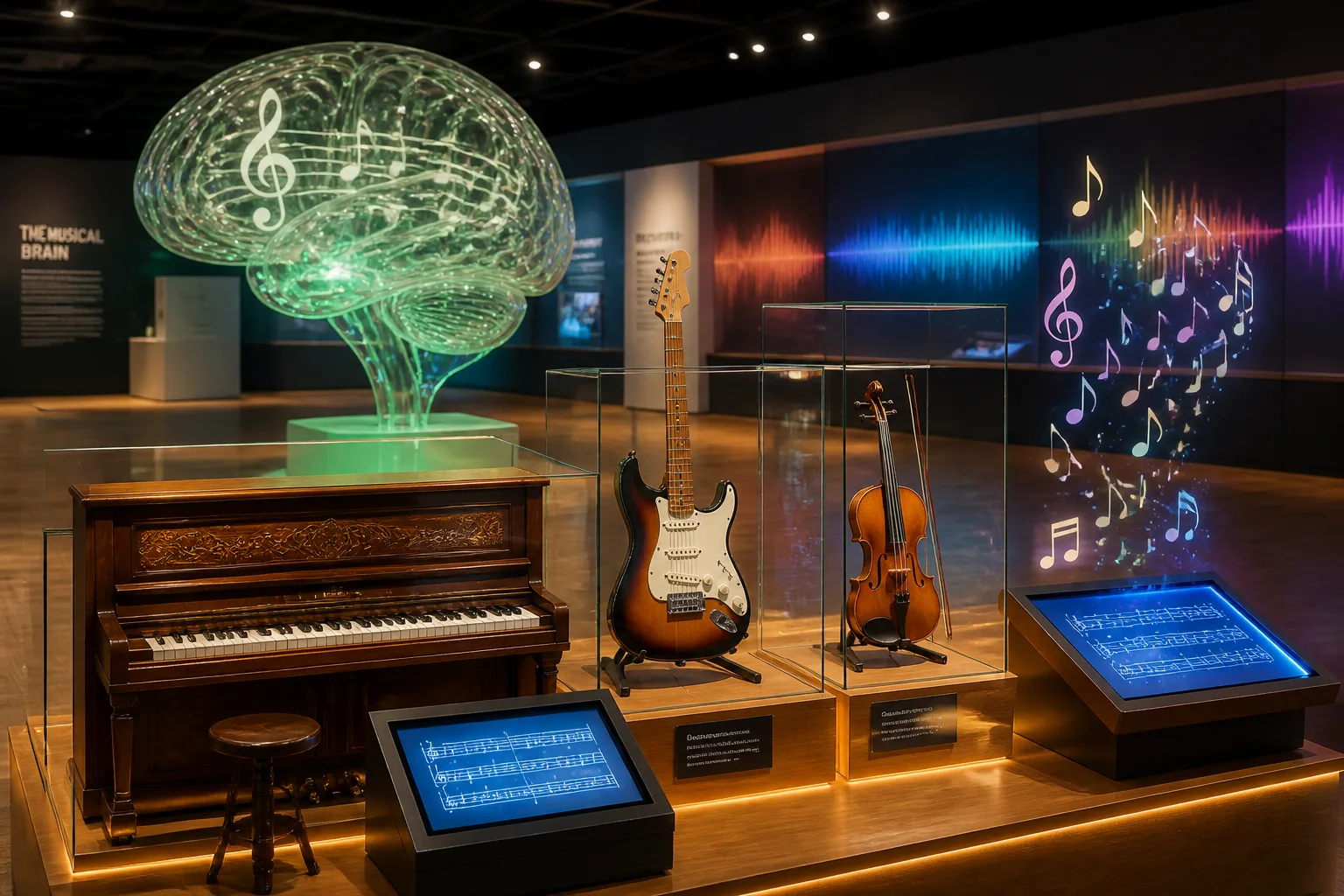
A series of live concerts and lectures created by Northwestern University researchers has been shown to boost emotional well‑being, intellectual stimulation and social interaction for people with Alzheimer’s disease and other neurocognitive disorders. The program, called the Musical Museum, was developed during the COVID‑19 pandemic to keep isolated patients engaged and was evaluated in a study published in Frontiers in Neurology on 20 July 2026.
The Musical Museum is a concert and lecture series designed specifically for individuals with dementia and their caregivers. Dr. Borna Bonakdarpour, a neurologist and classically trained pianist, and Clara Takarabe, a co‑author of the study, founded the Northwestern Music and Medicine Program (NMMP) in May 2021. The series draws an average of 50 attendees per event and has run 11 sessions that span a range of musical genres—including bossa nova, jazz and baroque—and themes that weave philosophical concepts such as love, loss and time with culturally significant periods for older adults.
Each hour‑long session begins with a verbal introduction that provides historical and musical context. The program deliberately mixes familiar music—tunes that would have been popular during the audience’s early to late adolescence, which prior research links to improved autobiographical memory and reduced agitation—with unfamiliar, culturally diverse pieces that are tonal and sometimes based on folk melodies from various regions. According to the study, this combination offers both emotional resonance and cognitive challenge.
Surveys collected by the NMMP show that participants reported high satisfaction and a significant improvement in mood after each session. One attendee said the program “provided peace, relaxation and occasionally a cathartic release of tears.” Another highlighted the social benefits, describing the event as “a wonderful opportunity to expand our contacts with individuals undergoing similar experiences.” The researchers noted that the sessions also encouraged post‑concert interaction, which is important because people with dementia often isolate due to language decline or embarrassment.
The study’s findings support earlier evidence that music processing remains intact for a long time in people with Alzheimer’s and related conditions. The authors argue that the Musical Museum offers a non‑medical intervention that keeps brains engaged while providing emotional regulation and intellectual stimulation. Dr. Bonakdarpour stated that the program “merges science and creativity and provides a lifeline to those navigating the challenges of cognitive decline, creating joy and connection through art.”
The Musical Museum is part of a growing body of research exploring arts‑in‑health interventions. Similar museum‑based programs have been evaluated in randomized controlled trials, and music therapy has been shown to improve mood, reduce agitation and support social engagement in dementia care settings. The Northwestern study adds to this literature by demonstrating that a structured, live‑concert format can produce measurable benefits for both patients and caregivers.
While the study does not report long‑term outcomes beyond the 11 sessions, the immediate improvements in emotional well‑being and social interaction suggest that the Musical Museum could be a valuable component of comprehensive dementia care. The NMMP plans to continue offering the series and to explore additional research on its impact over longer periods.
The research was conducted at Northwestern University in Evanston, Illinois, and the findings were published in Frontiers in Neurology on 20 July 2026. The study was supported by the Northwestern Music and Medicine Program, founded by Dr. Bonakdarpour and Clara Takarabe.