How SpectiCast Helped Bring Concert Films and Music Performances Into Movie Theaters
Long before concert livestreams became standard and before streaming platforms normalized at-home access to live performances, SpectiCast Entertainment was quietly building a different kind of bridge between audiences and music.
The company operated in a unique space between cinema distribution, live entertainment, music documentaries, concert films, theater productions, and cultural programming. While it never became a mainstream household name like Live Nation, Ticketmaster, or Netflix, SpectiCast carved out an unusual niche by turning movie theaters into temporary music venues and event spaces.
In many ways, SpectiCast represented an early attempt to reimagine how music performances could be distributed globally.
Instead of limiting concerts to physical arenas and stadiums, the company specialized in bringing filmed performances and music-centered experiences directly into theaters worldwide. Their catalog eventually stretched across rock, pop, jazz, classical, opera, dance, and documentary filmmaking, positioning the company as both an entertainment distributor and a curator of cultural events.
One of the clearest examples of SpectiCast’s music industry ambitions appeared through its “Rock in Cinema” initiative.
The collection focused on bringing large-scale concert films and music documentaries into theaters, effectively transforming cinemas into concert venues for a night. Unlike traditional music films released through standard Hollywood distribution systems, SpectiCast often targeted highly specific fan communities and legacy music audiences.
The company’s lineup included projects connected to artists such as Aerosmith, Elvis Costello, Peter Gabriel, Drake, Scorpions, and Elliott Smith. Each release functioned as both a music experience and a theatrical event.
Aerosmith Rocks Donington 2014 captured the legendary rock group performing at the famous UK festival, while Elvis Costello Detour showcased the songwriter’s more intimate and stripped-down performances. Peter Gabriel: New Blood highlighted Gabriel’s orchestral reinterpretations of his own material, reflecting SpectiCast’s interest in blending music performance with cinematic presentation.
Perhaps one of the more unexpected names in the catalog was Drake.
The inclusion of Drake: Homecoming demonstrated that SpectiCast was not exclusively focused on older legacy rock audiences. The company appeared interested in expanding toward modern mainstream music as well, experimenting with projects tied to major contemporary artists.
At the same time, SpectiCast’s involvement with music extended far beyond rock concerts.
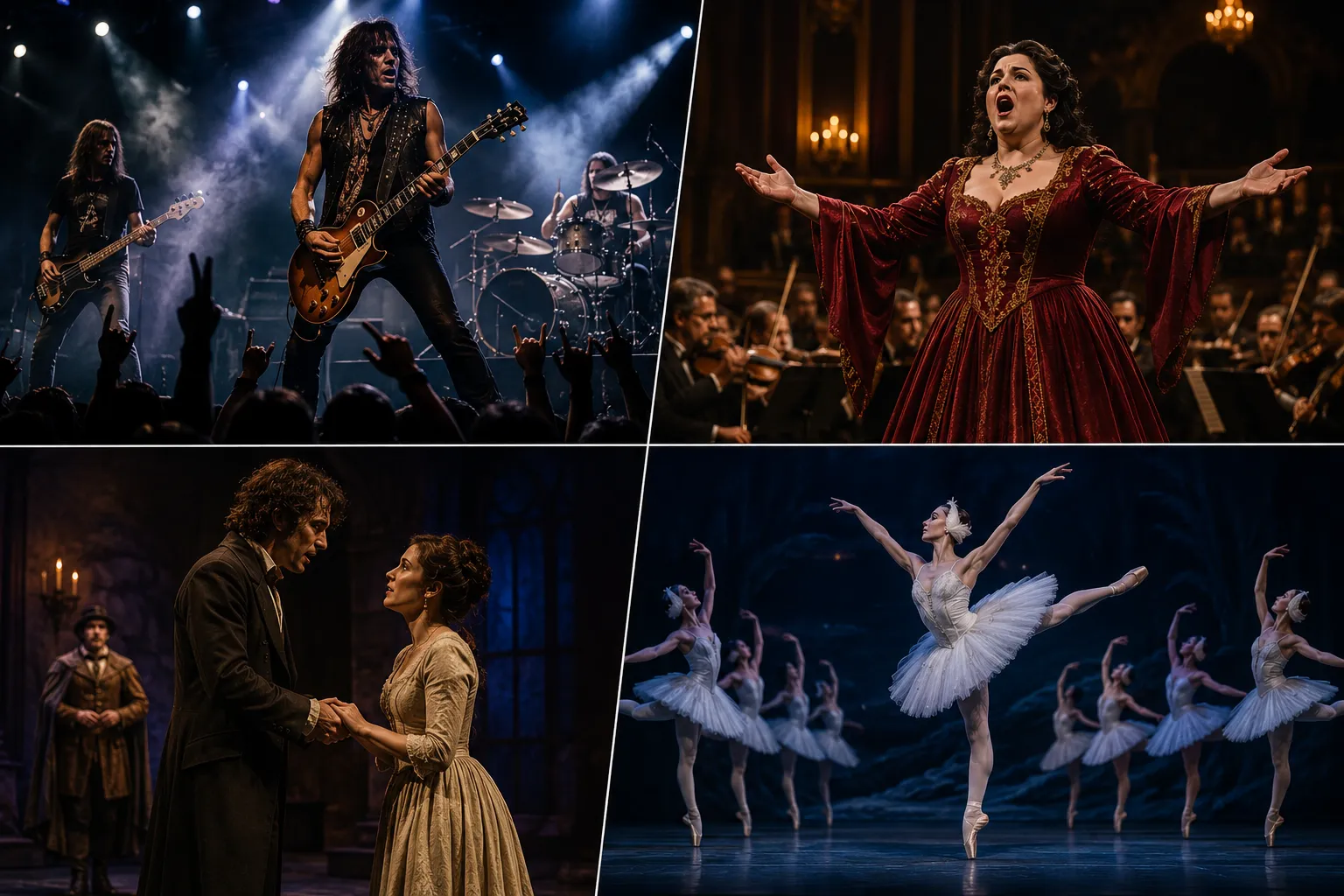
The company also heavily embraced classical music, opera, ballet, and theatrical music productions. This broader approach distinguished SpectiCast from companies focused purely on commercial touring or pop entertainment.
Its opera and dance divisions reflected a strategy centered around prestige arts programming. Productions tied to the Mariinsky Ballet, Swan Lake, Nutcracker in 3D, and ENO opera performances suggested the company viewed cinema distribution as a way to democratize access to elite cultural performances that many audiences would otherwise never experience live.
That positioning mattered.
For decades, opera houses, orchestras, and ballet companies struggled with aging audiences and geographic limitations. SpectiCast offered an alternative distribution model that allowed regional theaters and smaller cities access to productions usually confined to New York, London, Milan, or St. Petersburg.
In some respects, the company anticipated the modern “event cinema” business model before it became widely normalized.
Today audiences are familiar with theatrical screenings of concerts, anime premieres, sporting events, and live broadcasts. But companies like SpectiCast helped establish that infrastructure years earlier by treating cinemas as flexible entertainment hubs rather than locations exclusively reserved for Hollywood films.
The company’s music-related projects also revealed an emphasis on prestige storytelling and artist legacy preservation.
The Elliott Smith documentary Heaven Adores You fit directly into this approach. Rather than functioning as simple concert footage, the project leaned into biography, emotional narrative, and cultural reflection surrounding the late songwriter’s life and influence.
Similarly, Scorpions: Forever and A Day documented not only performances but the broader history and internal dynamics of the band itself.
This focus on legacy positioned SpectiCast somewhere between a distributor and a cultural archivist.
Many of the artists featured in the catalog belonged to generations whose fan bases still valued theatrical experiences and communal viewing. Instead of competing directly against YouTube or streaming services, SpectiCast appeared to target audiences seeking something more immersive and event-driven.
That strategy became increasingly important during the 2010s as music industry economics rapidly shifted.
Traditional album sales declined, streaming transformed artist revenue structures, and touring became one of the industry's primary profit engines. Concert films and event screenings represented another monetization avenue, especially for established artists with loyal fan communities.
SpectiCast’s theatrical model allowed performances to generate additional revenue beyond ticket sales from live tours themselves.
At the same time, the company’s branding consistently framed these releases as premium experiences rather than disposable content.
Its promotional materials emphasized phrases like “filmed especially for the big screen” and “the best seats in the house,” reinforcing the idea that audiences were purchasing access to an elevated viewing environment rather than merely watching a recording.
This distinction reflected a broader trend within the music industry.
As digital content became infinite and easily accessible, companies increasingly focused on creating experiences that felt exclusive, cinematic, or communal. SpectiCast’s entire business model revolved around that philosophy years before it became standard across entertainment.
The company’s relationship with music also extended into educational and artistic territory.
Projects such as Florence And The Uffizi Gallery demonstrated SpectiCast’s interest in combining music, visual art, historical storytelling, and cinematic immersion into hybrid cultural productions. While not strictly music-centered, these projects reflected the company’s broader commitment to artistic presentation and event-style distribution.
Importantly, SpectiCast did not operate solely as a production company.
Its significance came largely from distribution and exhibition partnerships. The company functioned as a middle layer connecting artists, filmmakers, venues, and audiences. In practice, this meant coordinating theatrical runs, promotional campaigns, venue agreements, and specialized screenings worldwide.
That role became increasingly valuable as entertainment industries fragmented.
Instead of relying entirely on traditional studio systems, niche distributors like SpectiCast proved there was demand for specialized cultural programming built around music and performance art.
Their model also highlighted the growing overlap between the music industry and cinema exhibition.
Concert films evolved from occasional novelty releases into a legitimate entertainment category. Over time, major artists such as BTS, Taylor Swift, Beyoncé, Metallica, and Coldplay would eventually embrace large-scale theatrical concert distribution strategies themselves.
In hindsight, companies like SpectiCast helped establish part of the roadmap for that evolution.
While SpectiCast remained relatively niche compared to larger entertainment conglomerates, its catalog reveals an ambitious attempt to reposition movie theaters as cultural gathering spaces for music fans, theater audiences, and arts communities.
The company treated concerts, operas, documentaries, and artistic performances not simply as content, but as theatrical events worthy of cinematic presentation.
That idea ultimately became one of the defining entertainment trends of the modern era.
And SpectiCast was exploring it long before much of the industry fully caught on.