Flannel, Feedback, and the Sound of a Generation: The Complete History of Grunge Music Through the Mid-'90s
Some music genres arrive with a carefully designed mission statement. They emerge from industry meetings, radio trends, or scenes intentionally trying to create the "next big thing." Grunge was almost the complete opposite. Nobody sat around a table in Seattle during the early 1980s trying to build a movement that would eventually reshape music, fashion, and youth culture worldwide. Nobody planned for flannel shirts to become runway fashion. Nobody predicted that distorted guitars and songs about alienation would eventually push aside some of the biggest acts in entertainment. Grunge emerged naturally, almost accidentally, from isolation, frustration, cheap rehearsal spaces, underground clubs, and musicians making loud music because they wanted something that felt honest. By the early 1990s, that sound exploded beyond anyone's expectations and transformed not just rock music, but culture itself. For a few years, Seattle became less like a city and more like the center of the musical universe.
To understand grunge, you have to go back before anybody used the word at all. Like most important musical movements, grunge did not appear from nowhere. Its DNA stretched backward through punk, heavy metal, garage rock, hardcore, and classic rock influences that collided into something entirely new. The crushing heaviness of Black Sabbath mattered. The aggression and DIY spirit of Black Flag mattered. Neil Young's distorted emotional intensity mattered. The Stooges mattered. Underground punk scenes mattered. Seattle musicians absorbed these influences and twisted them into a sound that felt slower, dirtier, heavier, and emotionally raw. Seattle's geographic isolation actually became an advantage. While Los Angeles chased glam metal excess and New York pursued entirely different scenes, Seattle musicians developed their own ecosystem largely outside the industry's spotlight. They were not competing for trends because they were too far away from the places where trends were supposedly manufactured.
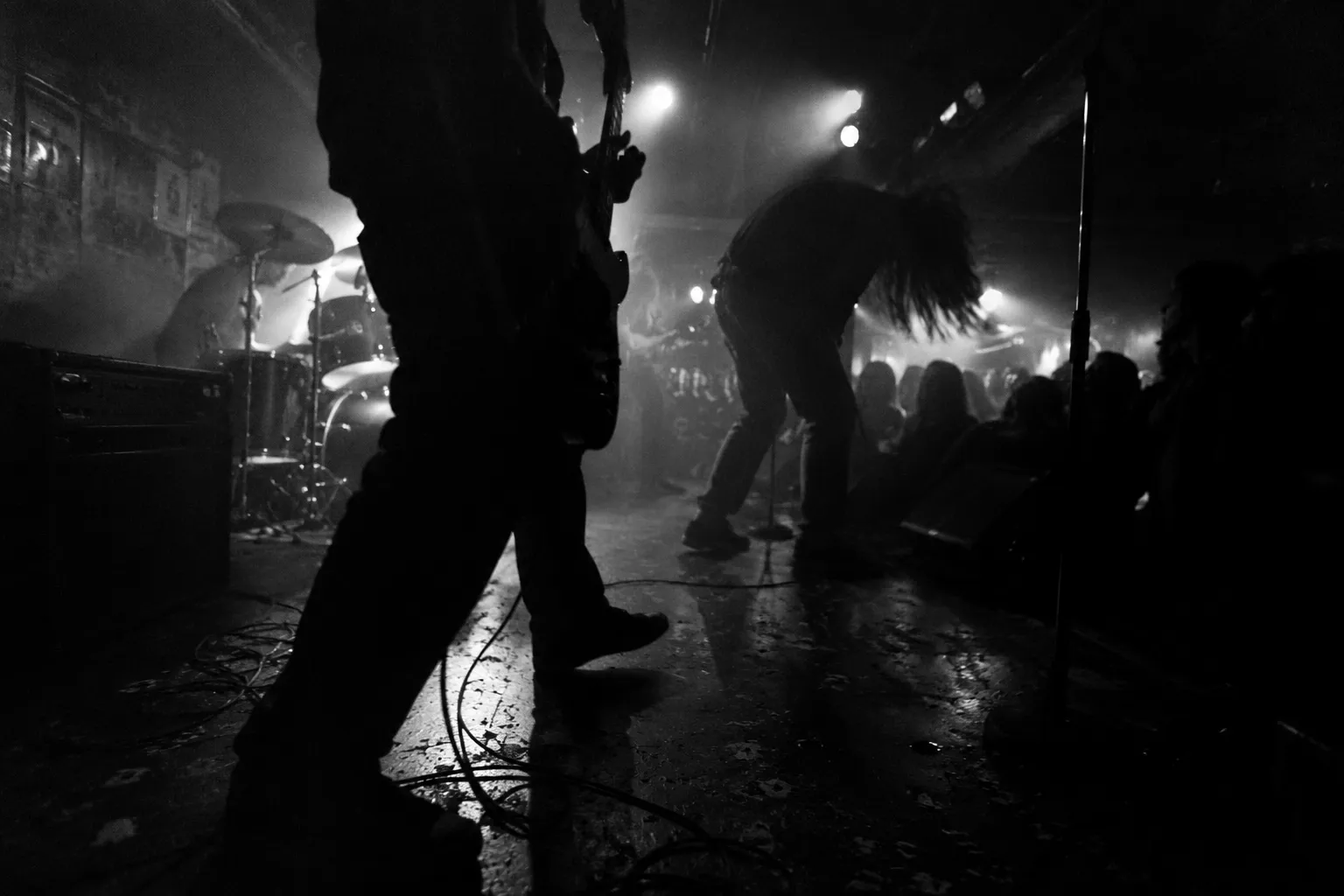
Few organizations became more important to grunge than Sub Pop Records. Founded by Bruce Pavitt and Jonathan Poneman, Sub Pop did far more than release albums. It effectively became the marketing engine, mythology machine, and unofficial historian for Seattle's emerging scene. The label carefully built an identity around grainy black-and-white photography, sarcastic humor, underground aesthetics, and loud, messy bands that felt almost proudly unpolished. Sub Pop understood something powerful very early: scenes become larger when they develop mythology. Before grunge became a global phenomenon, Sub Pop was already helping package Seattle as a destination. Early artists including Mudhoney, Green River, Tad, and Melvins created music that often sounded like amplifiers being pushed into total collapse. Their recordings were fuzzy, chaotic, aggressive, and imperfect. That imperfection eventually became one of grunge's defining strengths.
One of the most important bands in grunge history also became one of its least discussed: Green River. Looking backward now, Green River almost resembles a historical blueprint hidden in plain sight. The group featured musicians who later helped form Pearl Jam and Mudhoney, making the band something like grunge's missing link. Their music combined punk's energy with heavier metal influences and established many of the sonic ideas later associated with the Seattle sound. Their eventual breakup accidentally created future history. Sometimes movements are built less through success than through fragments splitting apart and becoming something larger.
Then came Soundgarden. Led by Chris Cornell, Soundgarden introduced another layer to Seattle's growing movement. Unlike many peers, Soundgarden brought extraordinary musicianship and complexity into the emerging scene. Their songs featured strange time signatures, crushing guitar riffs, unusual arrangements, and one of the most powerful vocalists of the era. Albums like Ultramega OK and Louder Than Love helped national audiences slowly notice Seattle. Very slowly. Few people realized what was coming next.
Then Nirvana happened.
And once Nirvana happened, reality changed.