South Sudans Music Industry Baseline Report Reveals Informal Sector and Urgent Need for Infrastructure
The Ghines Foundation unveiled South Sudan’s first full‑scale music industry assessment on 29 July 2026. Titled the South Sudan Music Sector Baseline Report and spearheaded by researcher Lucy Ilado, the study maps an economy that remains largely informal, with live performance in Juba’s clubs and street corners as the main livelihood for musicians.
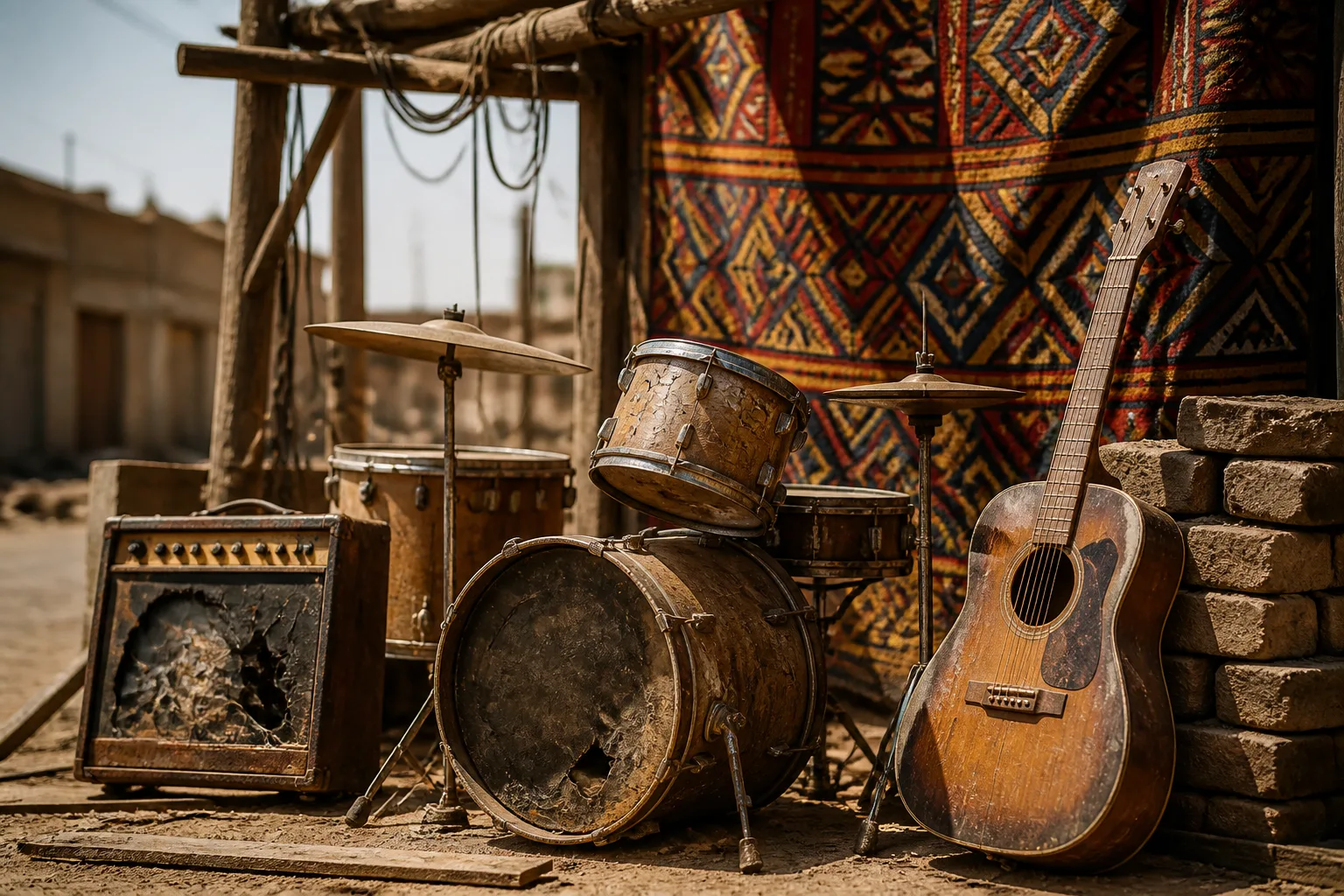
In Juba, the capital, fewer than five makeshift recording studios operate, most of them lacking acoustic treatment and equipped only with basic gear. Professional services—mastering, publishing, artist management and label operations—are virtually nonexistent. Digital monetisation and copyright administration are under‑developed, leaving artists with limited avenues to earn from streaming or licensing.
Ilado notes that the scarcity of reliable data hampers the Ministry of Culture, Museums and National Heritage’s planning and prevents financial institutions and private enterprises from gauging market potential. The absence of documented metrics keeps South Sudan on the periphery of regional music conversations, a point she stresses.
While the country’s cultural narrative is often framed by conflict, the baseline study paints a more nuanced picture. Music, dance, comedy and language continue to thrive in clubs, weddings, national‑day celebrations and community gatherings. Artists perform songs that echo local frustrations and aspirations, and audiences respond enthusiastically—even when recordings offer modest production quality.
The report situates the music sector amid a broader wave of infrastructure projects. Basketball, football and fashion have recently gained visibility. The Nimititalata Basketball Stadium and the Juba National Stadium—reopened in 2024 after a US$7 million FIFA‑backed refurbishment—illustrate the nation’s investment in sports facilities. The fashion industry is beginning to develop a domestic agency structure that includes scouting, runway coaching and international placement.
However, the study warns that talent alone does not build a sector. Producers frequently record in Kampala or Nairobi, where better equipment and experienced staff are available. This external production environment imports regional influences into South Sudanese recordings, making it hard to establish a distinct contemporary sound.
The report calls for specialised technical training and ongoing professional development. Producers need skills in recording, mixing and mastering that meet professional standards, but also a deeper understanding of South Sudan’s rhythms, instruments, languages and vocal styles. Such knowledge could foster experimentation and the creation of a unique national music identity.
Participation in regional festivals, conferences, residencies and touring circuits remains limited. Financial constraints, mobility challenges and weak professional networks restrict South Sudanese artists’ access to broader African platforms. The baseline study suggests peer‑to‑peer learning and joint projects with counterparts in Uganda, Kenya and other markets could bridge these gaps.
In July 2026, the Boma–Badingilo Migratory Landscape was designated South Sudan’s first UNESCO World Heritage site, underscoring the country’s natural heritage and the potential for responsible tourism, conservation and cultural promotion.
The findings align with the African Union’s Agenda 2063 and the Charter for African Cultural Renaissance, both of which advocate for cultural cooperation, intercultural dialogue and the integration of culture into development strategies. The report argues that South Sudan must build internal capacity while engaging in regional exchanges to avoid marginalisation.
The Ghines Foundation’s baseline study provides a data‑driven foundation for policymakers, investors and cultural organisations. By addressing infrastructure gaps, training needs and market documentation, South Sudan can shift from an informal, externally‑shaped music scene to a sustainable, globally competitive industry.
The next steps involve the Ministry of Culture and the Ghines Foundation collaborating on a national strategy that includes investment in recording studios, licensing bodies, digital platforms and professional training programmes. The report’s authors hope that such a strategy will enable South Sudanese musicians to build careers, generate income and contribute to the country’s cultural and economic development.