Trump Campaign Removes Taylor Swift Songs From TikTok After Mocking Video
When President Donald Trump’s 2024 campaign posted a playful TikTok that featured Taylor Swift’s own music, the platform’s algorithm almost made it go viral — until the song was silenced.
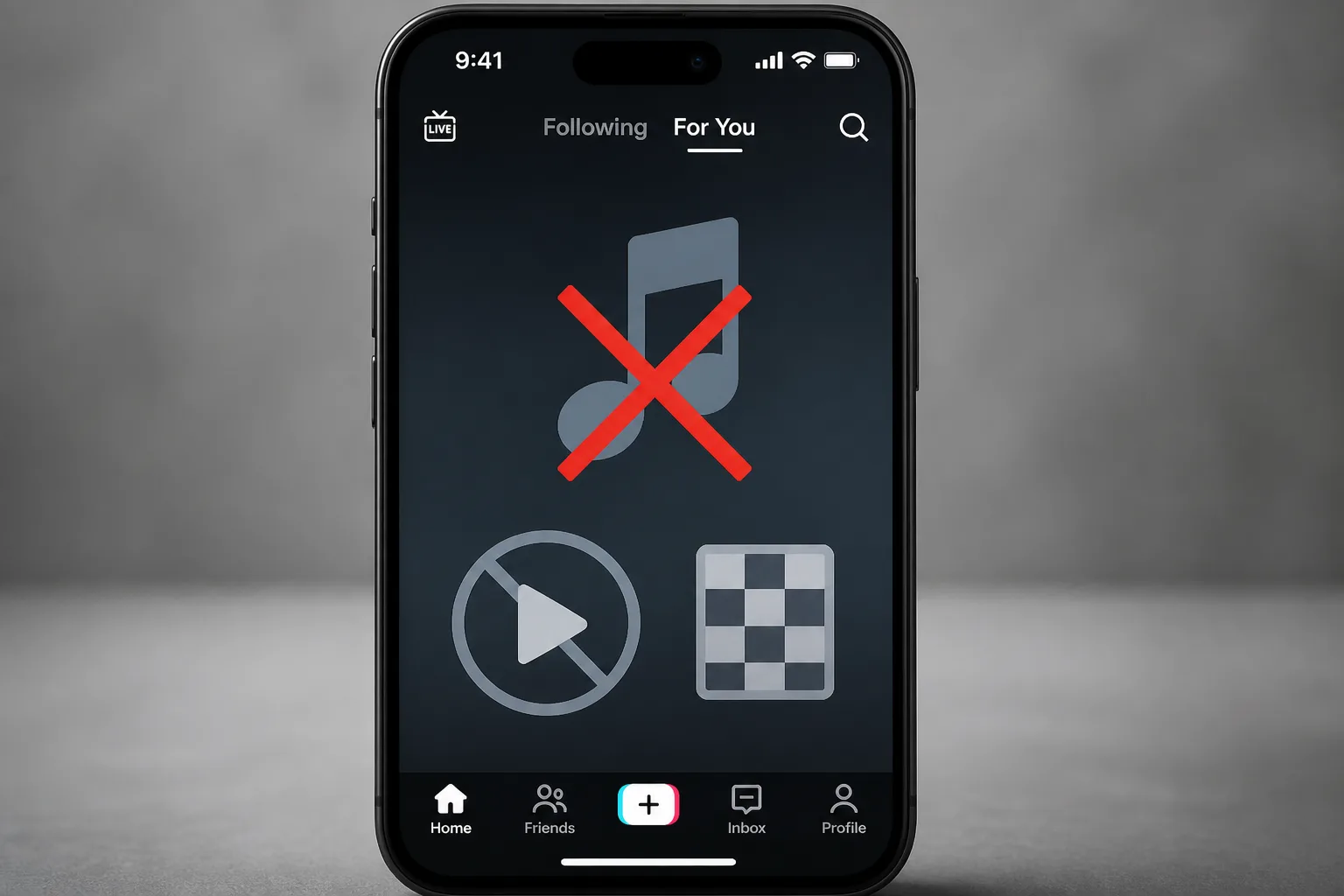
In a series of short clips that appeared on the official Team Trump TikTok account last week, the campaign mixed the live‑performance version of Swift’s “Red” and the track “August” with captions that mocked the singer and implied she would disapprove. Within a matter of days, the audio was removed, leaving the videos silent. The swift removal followed a request from Swift’s team, according to reports from CNN and USA Today.
The incident is part of a pattern. Earlier this year, the campaign posted another TikTok that used “Red” in a satirical context; that clip was later taken down as well. More recently, the White House’s own TikTok feed featured “August” and “Father Figure,” and those songs were muted in the same way. The fact that both the campaign and the White House have faced similar scrutiny suggests that the same copyright rules apply to all federal and campaign content.
Copyright law is clear on the matter. The U.S. Copyright Office states that any use of a copyrighted work in a political advertisement requires a license or a demonstrable fair‑use defense. The campaign’s use of Swift’s songs, framed as a joke, apparently did not meet either condition. Rights holders – Swift’s record label and publishing company – exercised their authority to silence the tracks. The White House’s recent legal troubles mirror this situation: a film‑production company filed a lawsuit in May 2026 claiming that the federal government had used a musical arrangement from a holiday soundtrack without authorization.
Political campaigns routinely turn to TikTok to reach younger voters, and the platform’s algorithm can turn a single post into a viral sensation. Team Trump has long relied on provocative or controversial content to generate engagement. However, the decision to use a high‑profile artist’s music without a clear license raised questions about the legality of such tactics. The rapid mute of the audio indicates that the campaign is sensitive to potential legal challenges, even if it has not issued a public statement.
Beyond this particular case, the incident illustrates a broader trend: political content creators must navigate strict copyright rules on social media. TikTok’s policy requires users to secure the necessary licenses for any copyrighted audio. Failure to do so can result in the content being muted or removed entirely. The silent Team Trump videos are a textbook example of how copyright holders can enforce their rights even in a political context.
At present, the Team Trump account has not commented on the removal. The campaign continues to publish new content, and the White House’s TikTok feed remains active. No further legal action has been announced, and it is unclear whether the campaign will re‑upload the clips with a proper license. The episode underscores the importance for political campaigns to obtain clearances for any copyrighted material they wish to use on emerging social‑media channels.
In summary, the Trump campaign’s brief use of Taylor Swift’s “Red” and “August” on TikTok was followed by a swift removal of the audio, likely due to copyright enforcement. The incident reflects ongoing tensions between political messaging and intellectual‑property rights on new platforms.