Foundry SF in SoMa Announces New Leadership, EDM Lineup and Community-Focused Vision
In a move that signals a fresh chapter for San Francisco’s nightlife, the Foundry nightclub in the South of Market (SoMa) district is now under new ownership. Andrew Wasilewski, co‑owner of the Faight Collective, leads a group of industry veterans who closed the deal on July 31, with escrow still pending. The transition marks the end of the venue’s previous era and the beginning of an ambitious plan to pivot the 270‑seat warehouse toward electronic dance music while weaving community‑driven programming into its fabric.
The first taste of the new direction arrives on September 18, when Italian DJ Kybba will headline the opening night. The fall schedule then expands to feature New York siblings Tinzo and Jojo for a two‑night run on October 24‑25, followed by Florida producer Wonkywilla on October 30. These dates, confirmed by the San Francisco Chronicle and listed on the venue’s website, showcase a roster that spans house, techno, UK garage, hard groove, and Afro‑house. The lineup also signals the operators’ intent to give local San Francisco DJs and producers a stage.
The Foundry’s history is a tapestry of evolving sounds. Since opening in 2013, it was run by Jordan Lewis until the pandemic forced a shutdown. In 2021, house‑music producer Alan Aronoff took the helm, positioning the venue as a showcase for underground and avant‑garde acts. Now, Wasilewski and his team plan to broaden the focus to include listening parties, lectures, dating events, and a menu featuring falafel, kabobs, and other street‑food staples. "We want an intentional space for dancing and connecting with people," Wasilewski said. He added that larger venues often make it difficult for local talent to secure bookings.
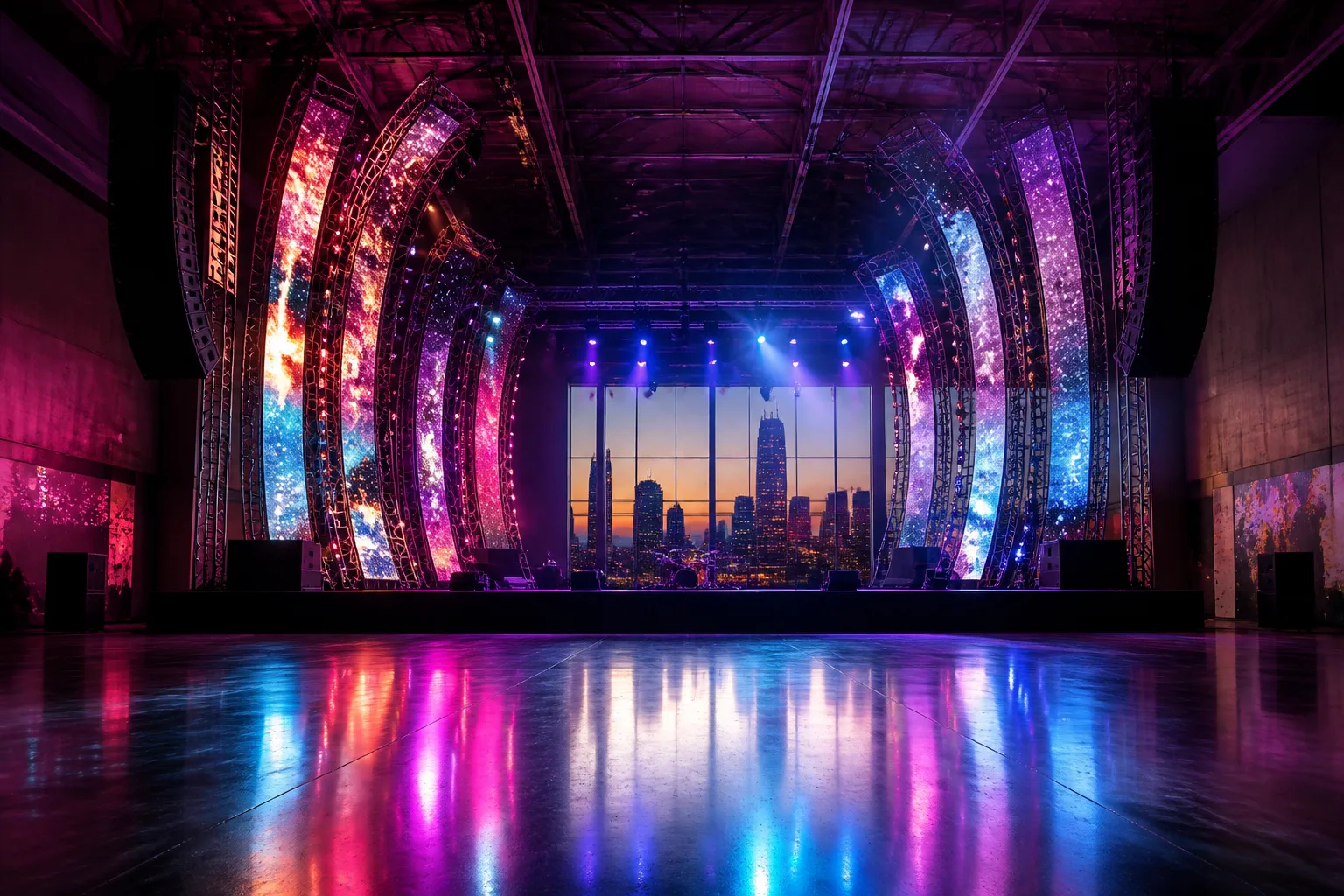
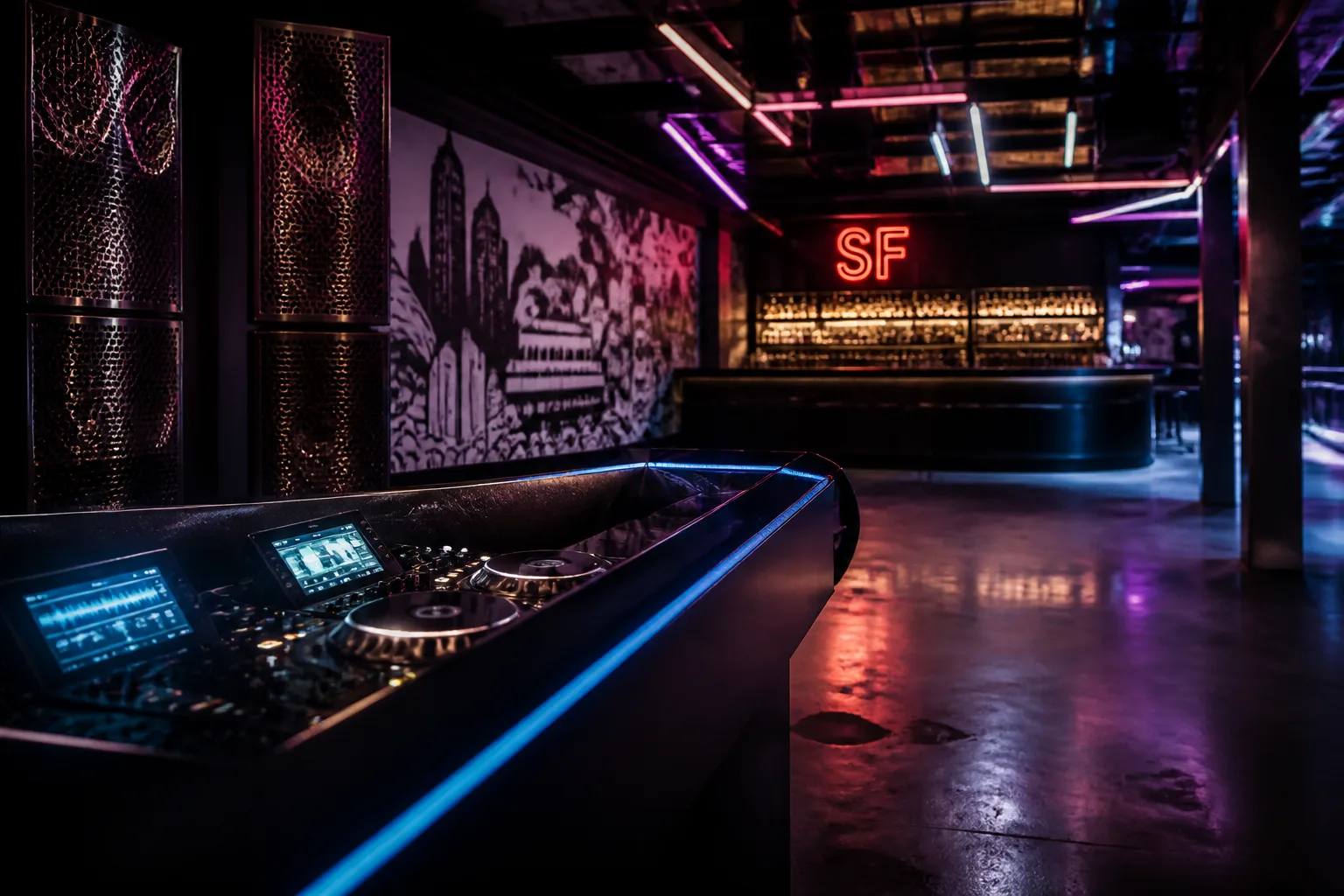
The 4,400‑square‑foot historic warehouse at Folsom and 10th Streets boasts concrete floors, exposed trusses, steel‑sash windows, a main theater flanked by bars, a 1,500‑square‑foot foyer, and a secluded bar overlooking the main rooms. The new operators plan a remodel early next year that will introduce a circular stage and upgraded lighting—details still in development.
A cornerstone of the new vision is a phone‑free dancefloor. The Foundry will enforce community guidelines that emphasize respect, consent, and looking out for others in the room. The policy is designed to keep attendees focused on the music, not their devices.
As San Francisco’s nightlife continues to reinvent itself post‑pandemic, the Foundry’s shift toward EDM and community programming positions it as a hub for both local and touring electronic acts while fostering a safer, more inclusive club environment.
Today, the fall schedule is confirmed, the new leadership team is in place, remodeling plans are underway, and the phone‑free policy and community‑focused events are set to launch with the first shows in September. Industry observers will be watching closely to gauge how the Foundry’s new direction influences the broader San Francisco music scene.