Jose Mari Chan Clarifies Royalty Check Comments: Physical Sales, Not All Royalties, Are Declining
Jose Mari Chan, the Filipino balladeer whose voice has become synonymous with holiday nostalgia, issued a statement in late June that has already taken social media by storm. In a Manila press conference, the veteran singer clarified that his recent remarks about “royalty checks” were specifically about the near‑obsolescence of physical sales—CDs, cassettes and vinyl—rather than a blanket stop to all income from his catalog. The clarification is important because it touches on a broader shift in how music earns money in the Philippines and worldwide.
Chan said that the decline in tangible formats has made it difficult for record labels to track sales numbers, and as a result, he has not received the same type of royalty checks he once did. “I have not been receiving my checks from those recording companies,” he told reporters, adding that he feels frustrated for young Filipino songwriter‑artists who may face a similar lack of income. The singer’s comment, which circulated widely on Twitter and Facebook, sparked a debate about the viability of traditional revenue streams for artists in the streaming age.
Universal Records, the label that represents Chan, responded through Managing Director Kathleen Dy‑Go. In a statement released on the same day, Dy‑Go explained that Chan’s remarks were meant to highlight the decline of physical album sales amid the industry’s shift to digital. “We would like to clarify that Mr. Jose Mari Chan was referring specifically to royalties from CDs, cassettes, and vinyl records,” she wrote. “His statement should not be construed to mean that he no longer receives royalties from his music altogether.” The label also emphasized that artists continue to earn through other channels.
Chan’s career, which spans more than five decades, has produced a catalog that has sold an estimated two million albums and earned 37 platinum records, according to his Wikipedia entry. Songs such as “Christmas in Our Hearts,” “Please Be Careful With My Heart” and “Can We Just Stop and Talk Awhile” have become staples of Filipino pop culture. In 2024, Repertory Philippines staged a musical titled Going Home to Christmas that featured several of Chan’s songs, underscoring the enduring relevance of his work.
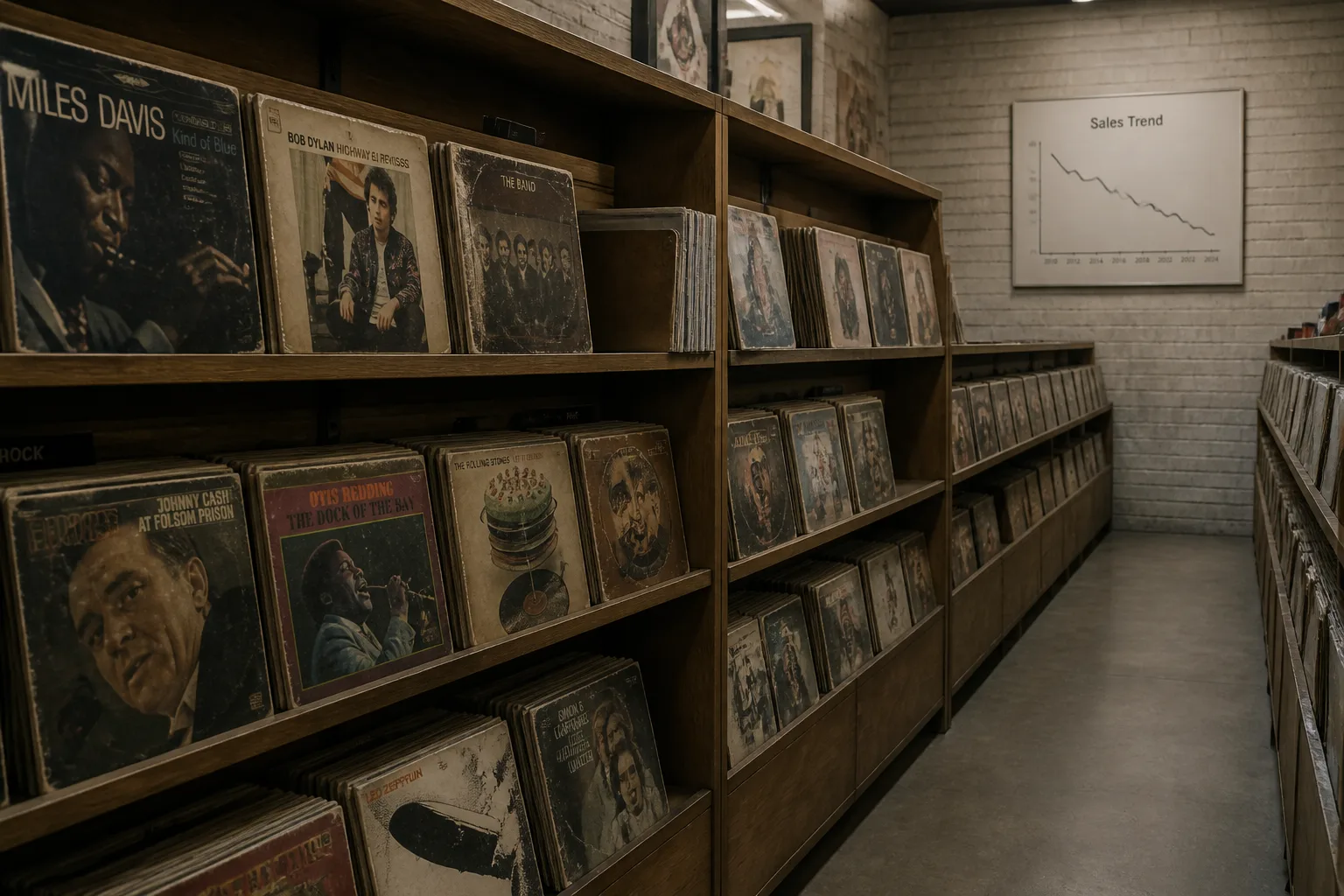
The clarification comes at a time when physical music sales have fallen to almost zero worldwide, as streaming services dominate revenue streams. While the decline benefits listeners, it also raises questions about sustainability for emerging artists who have traditionally relied on mechanical royalties from physical formats. For established acts like Chan, the shift may mean a redistribution of income rather than a loss, but the situation highlights the need for artists and labels to adapt to new revenue models.
Universal’s statement also confirmed that Chan still receives payments from streaming, publishing rights, licensing and public performances. “Artists have various revenue streams beyond physical album sales, including streaming services, publishing rights, licensing, and other royalty collection mechanisms,” Dy‑Go reiterated. The label emphasized that the singer’s overall royalty income has not ceased, and that his contract with Universal remains unchanged.
At present, Chan’s clarification has been accepted by Universal and the public. No further statements from the singer or the label have been issued, and there are no indications of changes to his royalty arrangements. The incident highlights the ongoing shift in the Philippine music market from physical to digital consumption and the need for artists and labels to adapt to new revenue models. With no changes to Chan’s royalty arrangements announced, the situation remains stable, but it serves as a case study for the broader industry.