Indonesias Music Industry Expands Global Reach, Backed by Streaming Data and Government Support
On Saturday, June 27 2026, the Ministry of Creative Economy announced a sweeping view of Indonesia’s growing influence in the world’s music market. Minister Teuku Riefky Harsya framed music as a vehicle for sharing Indonesian stories, culture, and identity across borders, citing the presence of local songs in markets such as Malaysia, the United States, Germany, Japan, and the United Kingdom as proof of the creative economy’s strength.
The minister highlighted the democratizing power of streaming platforms, arguing that they level the playing field for musicians from all regions. He also pointed out that the creative economy sector now employs 27.4 million workers, with more than half belonging to Generation Z and the millennial cohort—a demographic that fuels confidence in the sector’s capacity to generate jobs, attract investment, and expand Indonesia’s presence on global platforms.
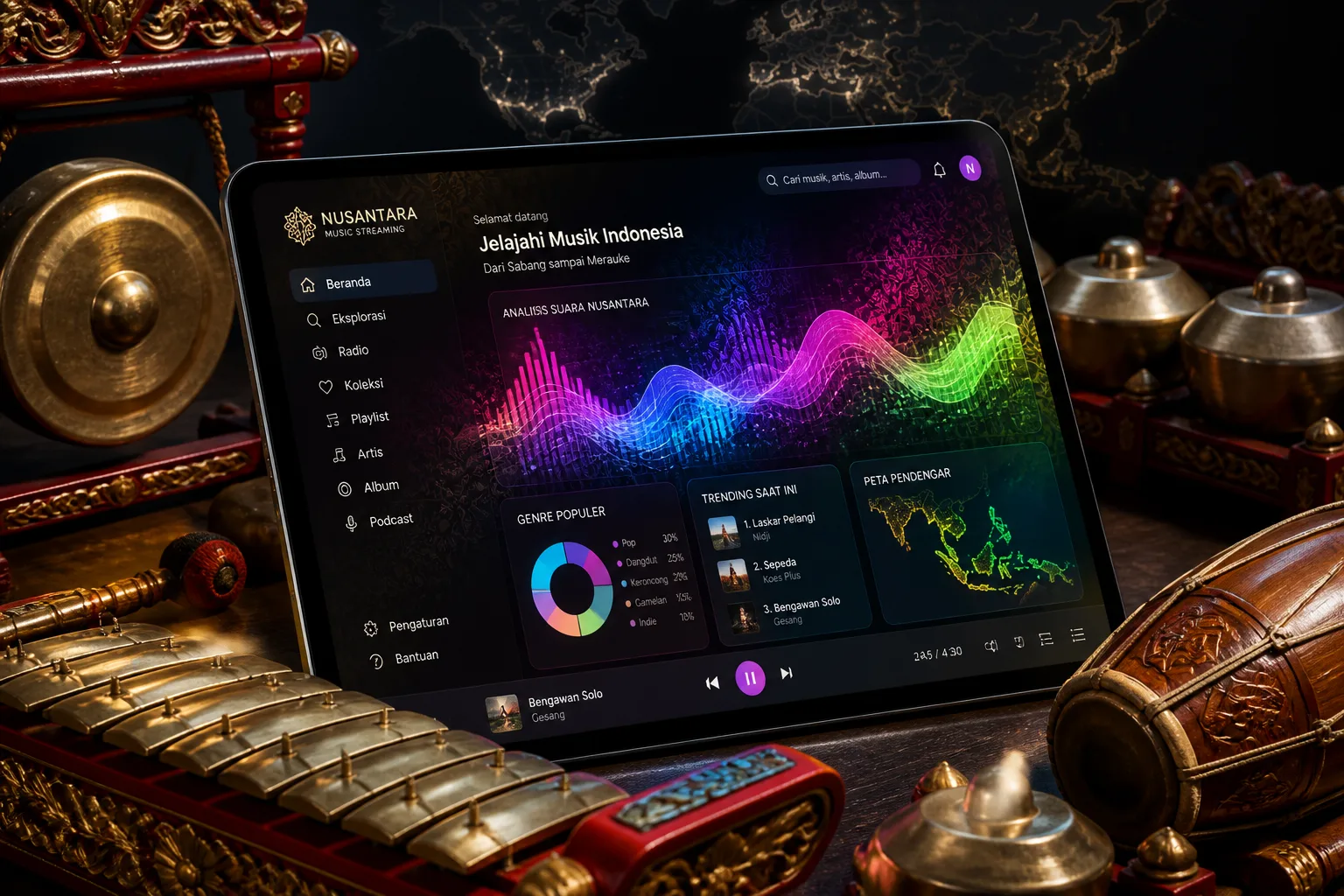
Supporting these claims, Spotify Southeast Asia Managing Director Gustav Back supplied concrete numbers. According to Back, Indonesian music was discovered more than 6.3 billion times by new listeners on Spotify in 2025. Royalties earned by Indonesian musicians through the platform rose by over 16 percent from the previous year, with roughly 60 percent of those earnings coming from overseas listeners. Back also noted that 80 percent of the songs featured in the 2025 Spotify Indonesia Daily Top 50 chart were by Indonesian artists.
These figures illustrate a significant shift in how Indonesian music is consumed. The rise in discovery and royalty earnings indicates that Indonesian artists are not only attracting domestic audiences but also building substantial international fan bases. Streaming platforms are increasingly becoming key revenue streams for local musicians, helping to offset the decline of physical sales and traditional radio play.
The ministry’s statement framed these developments within a broader strategy to strengthen Indonesia’s creative industry. Riefky stressed that collaboration between the government, the creative industry, and creators is essential for building a fair, sustainable, and economically valuable music ecosystem. He highlighted the ministry’s vision of helping local talent compete in regional and global markets, underscoring that synergy between public and private stakeholders is a critical element of that vision.
In practice, the ministry has launched initiatives such as the KILA 2026 program, which promotes children’s music, and Indonesia’s participation in Bangkok Music City 2026, where national musicians showcased their work to regional audiences. These efforts complement the data‑driven approach outlined by Spotify, providing both policy support and market exposure for Indonesian artists.
The current situation shows a music industry that is increasingly integrated with digital platforms and supported by government policy. Indonesian musicians are gaining visibility abroad, generating higher royalties, and benefiting from a workforce that is largely young and digitally literate. The next steps will involve continued collaboration between the Ministry of Creative Economy, streaming services, and local artists to sustain growth, improve royalty distribution, and expand Indonesia’s cultural influence.