From 1950s Beat to 2026 Byte: How Information Technology Became the New Rock n Roll
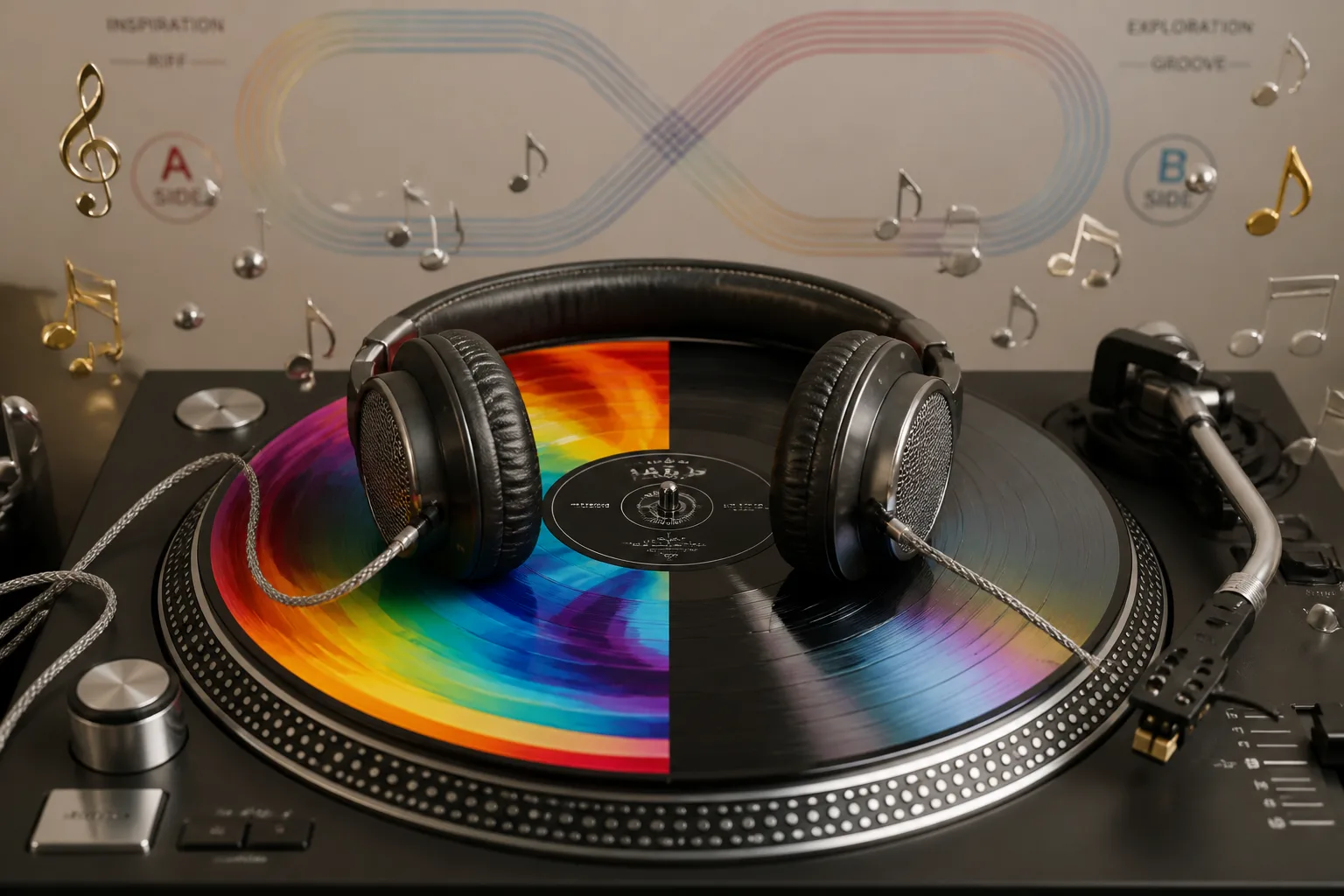
From the first electric guitar riff that shook 1950s America to the algorithm‑driven playlists that fill 2026 earbuds, the pulse that once drove rock ‘n’ roll now beats in silicon. A recent blog post, The New Rock n Roll: Why Information and Technology Are the Cultural Drivers of Our Time, argues that the cultural force that electrified America in the 1950s is being replaced by the digital revolution. The author draws a direct line between the explosive impact of early rock and roll and the current dominance of information technology in shaping everyday life.
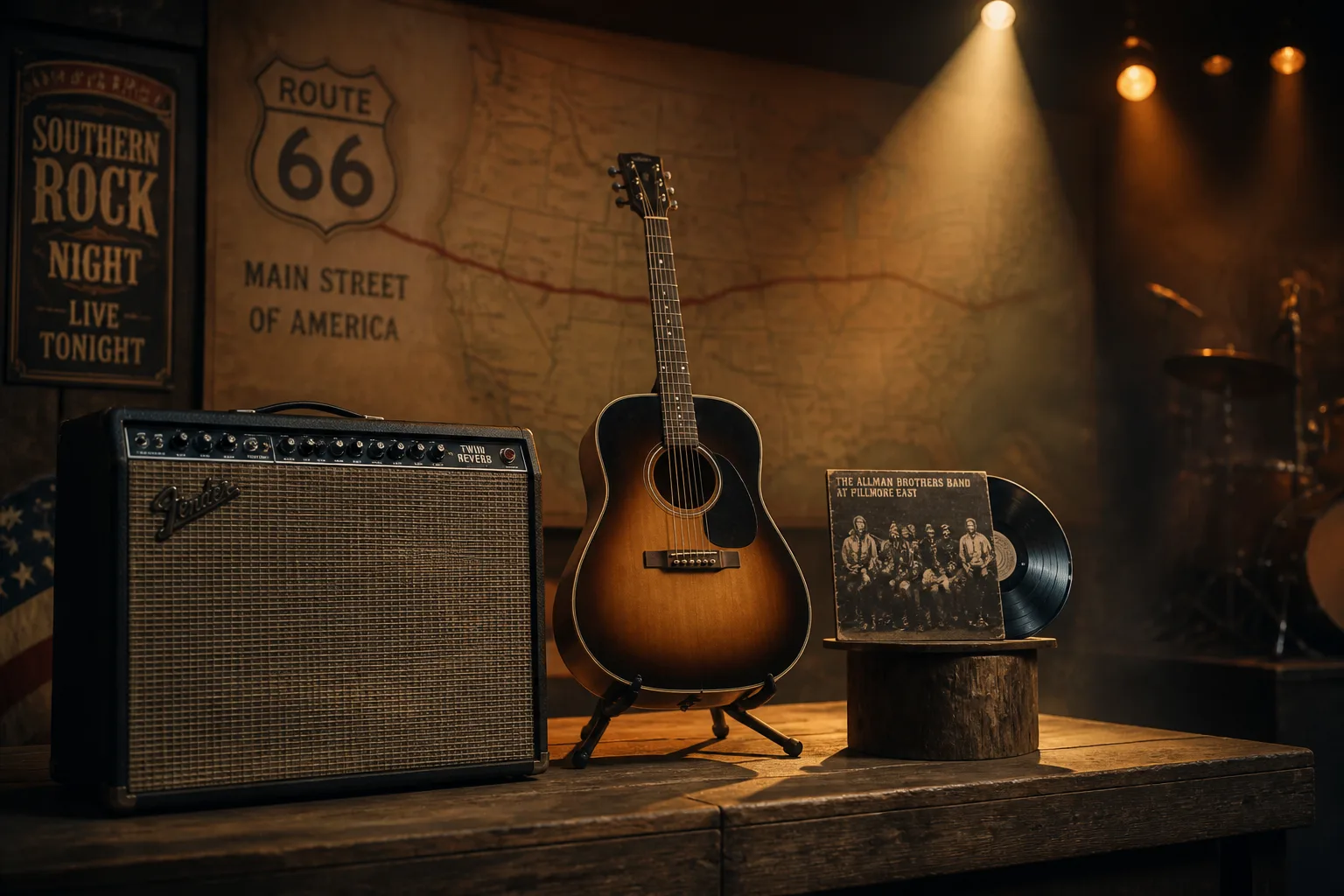
Rock and roll first emerged in the late 1940s and early 1950s as a blend of African‑American rhythm and blues, gospel, jazz, boogie‑woogie, and country. Early recordings featured piano or saxophone leads, which were soon supplanted by electric guitars. A backbeat on the snare drum and simple blues chord progressions, such as the twelve‑bar form, became hallmarks of the style. By the mid‑1960s, the genre had evolved into the broader category of rock music, yet its core elements—energy, rebellion, and mass appeal—remained influential.
The blog post identifies the spirit of rock and roll as a set of attributes that can be applied beyond music: innovation, attitude, swagger, newness, mass appeal, reinvention, and the ability to create fans rather than merely users. It cites iconic artists—Bob Dylan, The Rolling Stones, Jimi Hendrix, Chuck Berry, Bruce Springsteen, The Beatles, and Pink Floyd—as embodiments of these qualities. The author claims that the music industry’s focus on “new music” has shifted to a focus on mining the past, a process that can be lucrative when approached with the same rebellious mindset that defined early rock.
Digital transformation is reshaping the music business in ways that mirror the 1950s shift from radio to television. Streaming platforms now generate the majority of recorded‑music revenue, and artificial‑intelligence tools are being used for playlist curation, personalized recommendations, and even music creation. Live‑music venues are adopting digital ticketing, virtual reality experiences, and data‑driven marketing to attract audiences. Industry reports indicate that the information economy—where data and digital services are valued as capital goods—has become a core component of the music ecosystem. The convergence of technology and culture is creating new revenue streams and altering how artists, labels, and consumers interact.
The article concludes that while the original rock and roll sound may no longer dominate the charts, its underlying ethos—innovation, rebellion, and mass appeal—continues to drive cultural change. Information technology, with its capacity for rapid distribution, personalization, and global reach, is positioned to be the next great cultural engine. The music industry’s challenge is to preserve the historical legacy of rock while fully embracing the opportunities presented by the digital age.