EDC Turns 30: How Electric Daisy Carnival Grew From Underground Rave Roots Into a Las Vegas Phenomenon
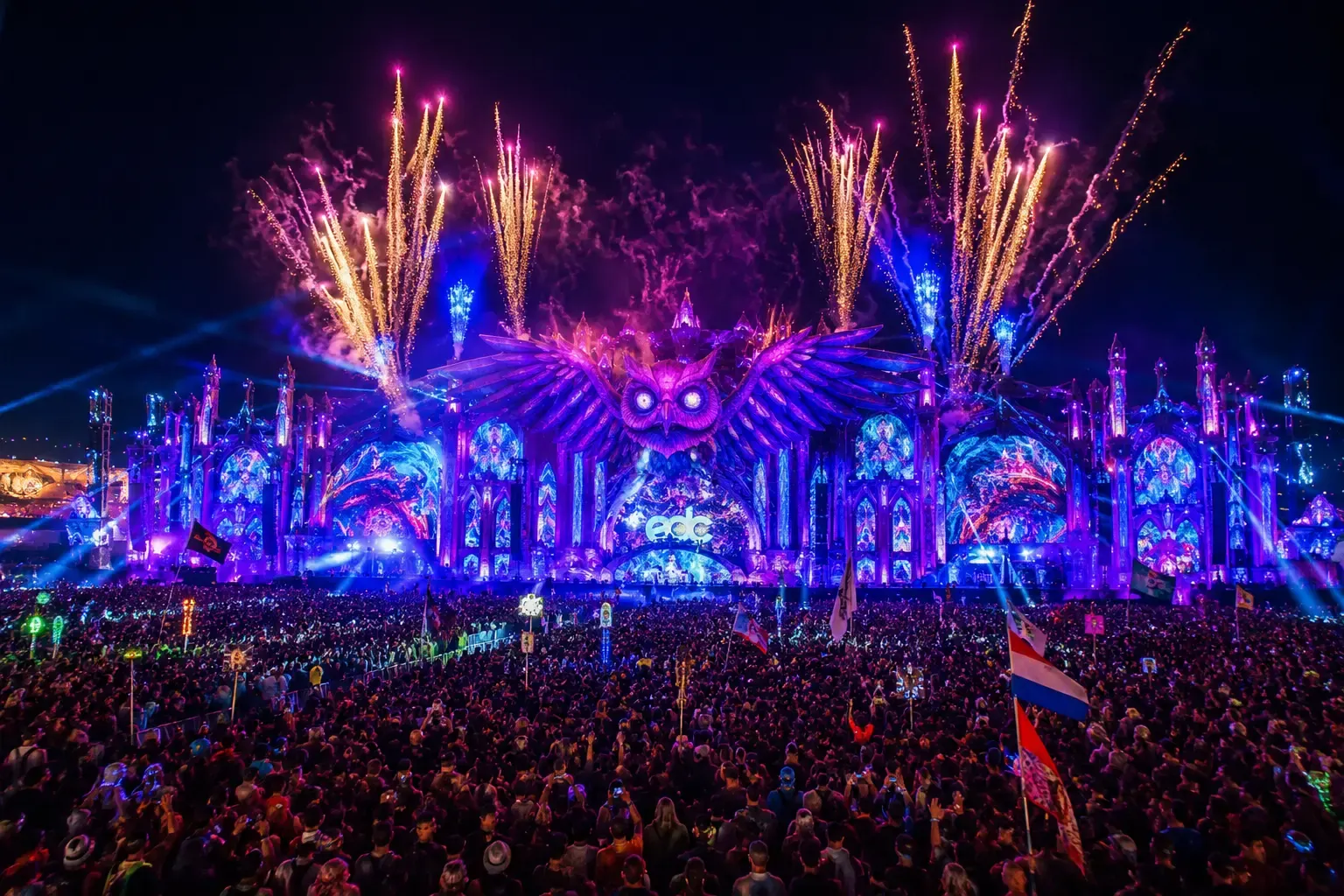
Friday marked the opening day of the 30th anniversary celebration of Electric Daisy Carnival (EDC), launching another massive three-day gathering that transformed Las Vegas into the global center of electronic dance music culture. Known for its towering stages, carnival attractions, elaborate light displays, and all-night performances, EDC has evolved into one of the largest music festivals in the world. What began as a smaller dance music event decades ago has grown into a cultural phenomenon capable of drawing hundreds of thousands of attendees beneath its famous slogan of gathering “under the electric sky.”
The anniversary celebration represents a major milestone for a festival that has undergone one of the most remarkable transformations in modern live entertainment. Electric Daisy Carnival first began in Southern California in the 1990s during the rise of underground rave culture and electronic dance music events. Created by promoter Pasquale Rotella and his company Insomniac Events, EDC started as a relatively modest gathering focused on dance music, visual art, and immersive experiences. Over time, the festival expanded far beyond its early roots, becoming a large-scale production blending music, technology, performance art, and carnival-style attractions.
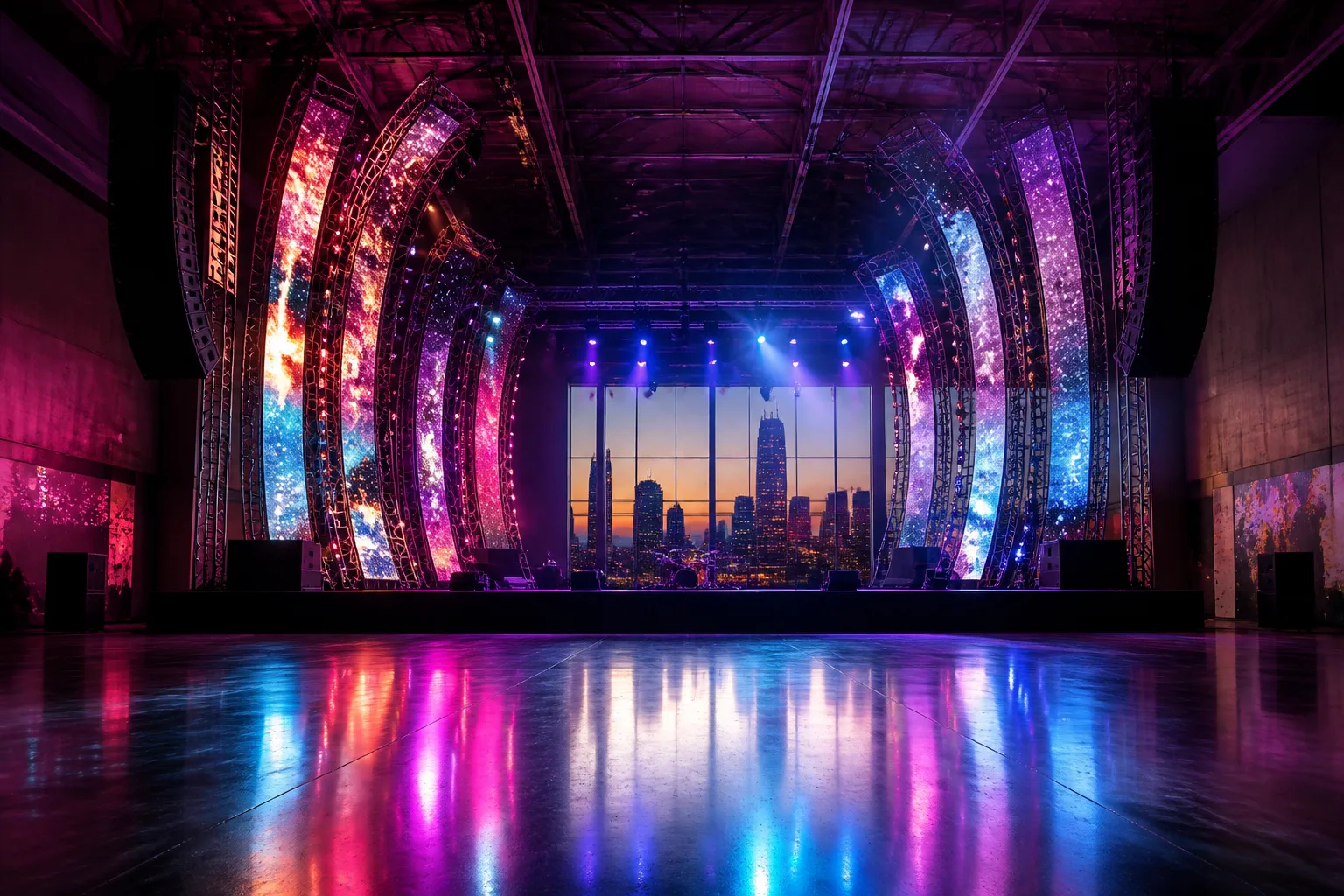
Throughout its history, EDC became known for pushing festival production to increasingly ambitious levels. Massive stage structures, pyrotechnics, synchronized light shows, roaming performers, interactive installations, and elaborate themes helped distinguish the event from traditional music festivals. Rather than focusing solely on performances, organizers created an environment designed to feel like an entire city built around music and sensory experiences.
The festival spent years growing in Southern California before eventually reaching a turning point. Following increasing attendance and logistical challenges, organizers relocated EDC to Las Vegas in 2011. The move placed the festival at the Las Vegas Motor Speedway, where the event found a larger venue capable of supporting its rapid growth. Since arriving in Nevada, EDC has become deeply tied to Las Vegas itself, evolving into one of the city’s signature annual events and helping establish Southern Nevada as a major destination for electronic music tourism.
The move proved transformative. Attendance climbed dramatically in the years that followed as international audiences embraced Las Vegas as a destination capable of offering far more than just the festival grounds themselves. Visitors could combine EDC with resort experiences, nightlife, pool parties, dining, and entertainment across the city, turning what was once a concert weekend into a larger travel event.
According to the Las Vegas Convention and Visitors Authority, more than half a million festival-goers are expected to visit the Las Vegas Valley during the three-day celebration. The numbers illustrate just how large EDC has become. The event now attracts attendees from dozens of countries, with some planning their trips many months—or even more than a year—in advance.
For longtime fans, EDC has become more than a music event. Many attendees describe returning annually as a tradition and a reunion. Festival veterans who attended early editions in California have witnessed firsthand how dramatically the event has evolved over the decades. Stages have become larger, production has become increasingly sophisticated, and the overall scale of the experience continues expanding with each passing year.
The financial commitment for many attendees has also grown. A three-day ticket can cost several hundred dollars before accounting for hotels, transportation, meals, outfits, rideshares, and additional entertainment. Many visitors begin budgeting long before festival season arrives, purchasing tickets early and gradually preparing for the trip throughout the year.
Travel expenses have also become a larger factor in 2026, with elevated fuel prices creating additional costs for attendees driving into Nevada. According to AAA, gas prices have remained above average in many areas, increasing the cost of long-distance travel for visitors arriving from neighboring states like California, Arizona, and New Mexico.
Yet despite the expense, many attendees continue viewing EDC as more than a concert purchase. For visitors spending hundreds—or even thousands—of dollars during the weekend, the experience extends far beyond the festival itself. Pool parties, resort events, restaurants, nightlife, shopping, and exploring the Las Vegas Strip have become part of the broader EDC tradition.
For Las Vegas, the impact stretches far beyond music. Hotels experience increased bookings, transportation services see higher demand, restaurants become busier, and local businesses benefit from one of the city’s largest annual tourism surges. As EDC celebrates three decades of history, the festival’s growth mirrors the broader rise of electronic dance music itself—from underground beginnings to a global entertainment force capable of bringing hundreds of thousands together beneath the lights of the electric sky.