Londons Summer 2026 Music Boom Drives 1.1 Billion Economic Impact, Mayor Khan Celebrates
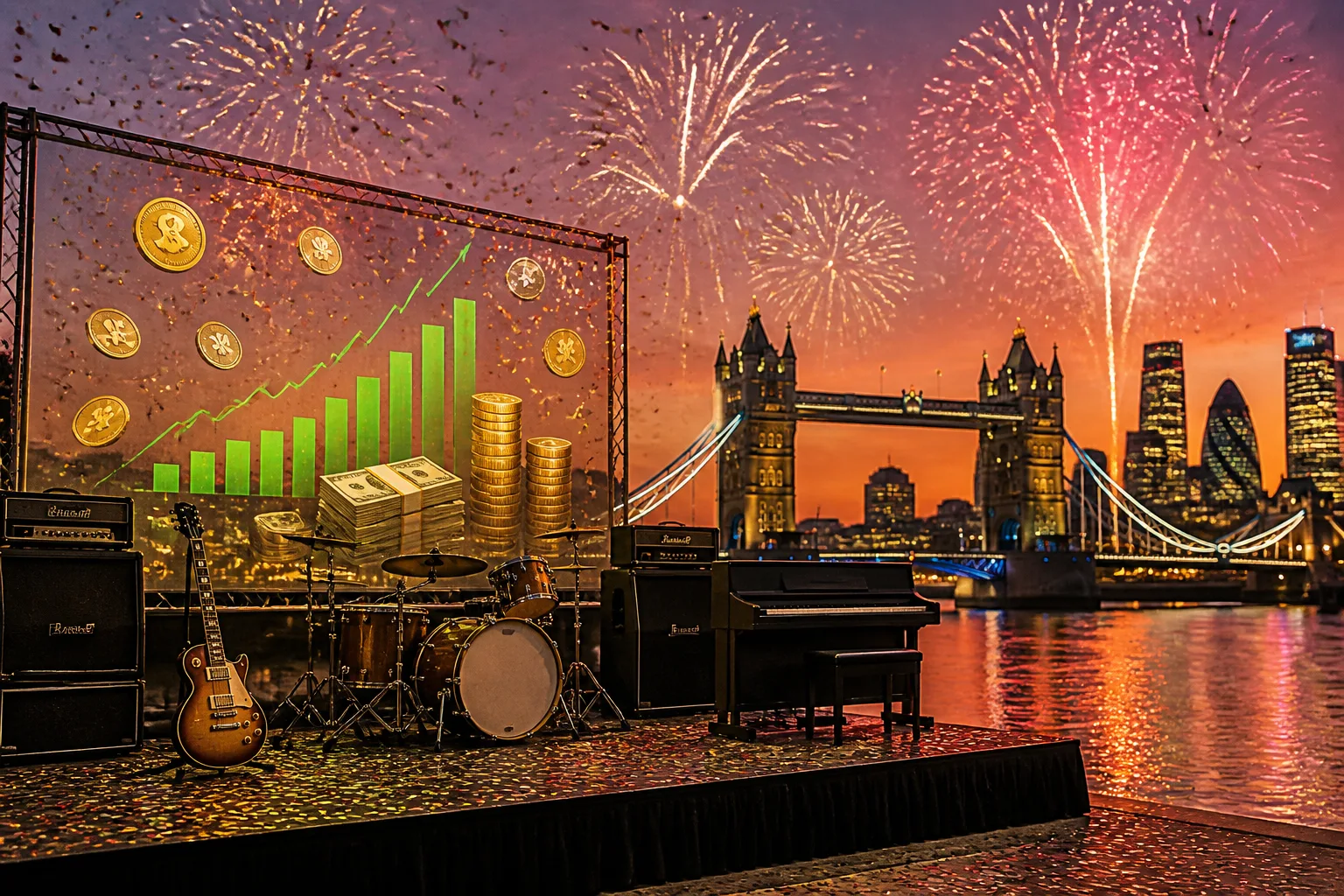
On September 6, 2026, London Mayor Sadiq Khan announced that the city’s summer music season had generated a record‑breaking £1.1 billion in economic activity, cementing London’s reputation as the world’s music capital.
Khan’s remarks came after a series of headline‑grabbing stadium runs that drew millions of fans. Ariana Grande capped her Eternal Sunshine tour at The O2, while Harry Styles completed a 12‑date, record‑breaking run at Wembley Stadium. Jay‑Z and Bad Bunny also performed at Tottenham Hotspur Stadium, adding to the city’s high‑profile lineup.
The O2 arena marked its busiest August on record, hosting 16 sell‑out shows, including the UK debut of girl group Katseye. Meanwhile, London Stadium welcomed more than 350,000 spectators for Take That and Metallica concerts, and thousands gathered at city parks for festivals and open‑air shows.
Industry data shows that in 2025, London attracted 9.1 million visitors to its music scene, generating £3.4 billion in revenue—a rise of over 27 percent. Analysts estimate that Styles’ Wembley run alone injected £1.1 billion into the local economy.
Growth was not limited to the big arenas. The Music Venue Trust reported a 2.3 percent increase in UK audience numbers compared with 2025, indicating that smaller venues continue to thrive.
“It has been another incredible summer for our capital’s music scene, showing once again why we are the best in the world,” Khan said. “With record‑breaking stadium runs, parks and arenas welcoming tens of thousands of people a night and crowds filling up grassroots music‑venues, this summer has had it all. I’m proud that no other city in the world can boast such an incredible line‑up and it’s why our music industry’s impact on our economy continues to grow, as we build a better London for everyone.”
Deputy Mayor for Culture and the Creative Industries, Justine Simons OBE, added that the season offered something for every taste. “Across London music fans have taken in everything from international artists selling out stadiums to the next big star performing on one of our legendary grassroots music venues for the first ever time,” she said. “This summer has truly illustrated music’s incredible power to bring people together and why there is no better place to enjoy it than in London.”
The figures cited by Khan and Simons reflect a broader trend of increasing live‑music revenue in the United Kingdom. Large venues such as The O2 and Wembley Stadium continue to host high‑profile acts, while the city’s parks and smaller clubs maintain strong attendance figures. The reported £1.1 billion economic impact from Styles’ run underscores the financial significance of stadium‑scale touring for the city.
London’s music industry remains a key contributor to the city’s economy, with the 2025 visitor and revenue numbers confirming a sustained growth trajectory. The 2026 summer season has already produced record‑breaking attendance figures and significant economic returns, and the city’s music‑related tourism and live‑event sectors are expected to maintain momentum.
At present, London’s music scene has delivered a record‑breaking summer, with confirmed economic benefits and continued growth at both large and small venues. No further developments have been announced at this time.