d4vds Legal Shift: From Celebrity Lawyers to Public Defender as Murder Trial Looms
When a viral pop star turns up in a courtroom, the spotlight shifts from stage lights to forensic reports. 21‑year‑old singer David Anthony Burke—known professionally as d4vd—has exchanged high‑profile private attorneys for a Los Angeles County public defender as his murder trial edges closer. Burke was arrested on April 16, 2026, and faces first‑degree murder, lewd and lascivious acts with a child under 14, and mutilating a body. He pleaded not guilty at his arraignment on April 20.
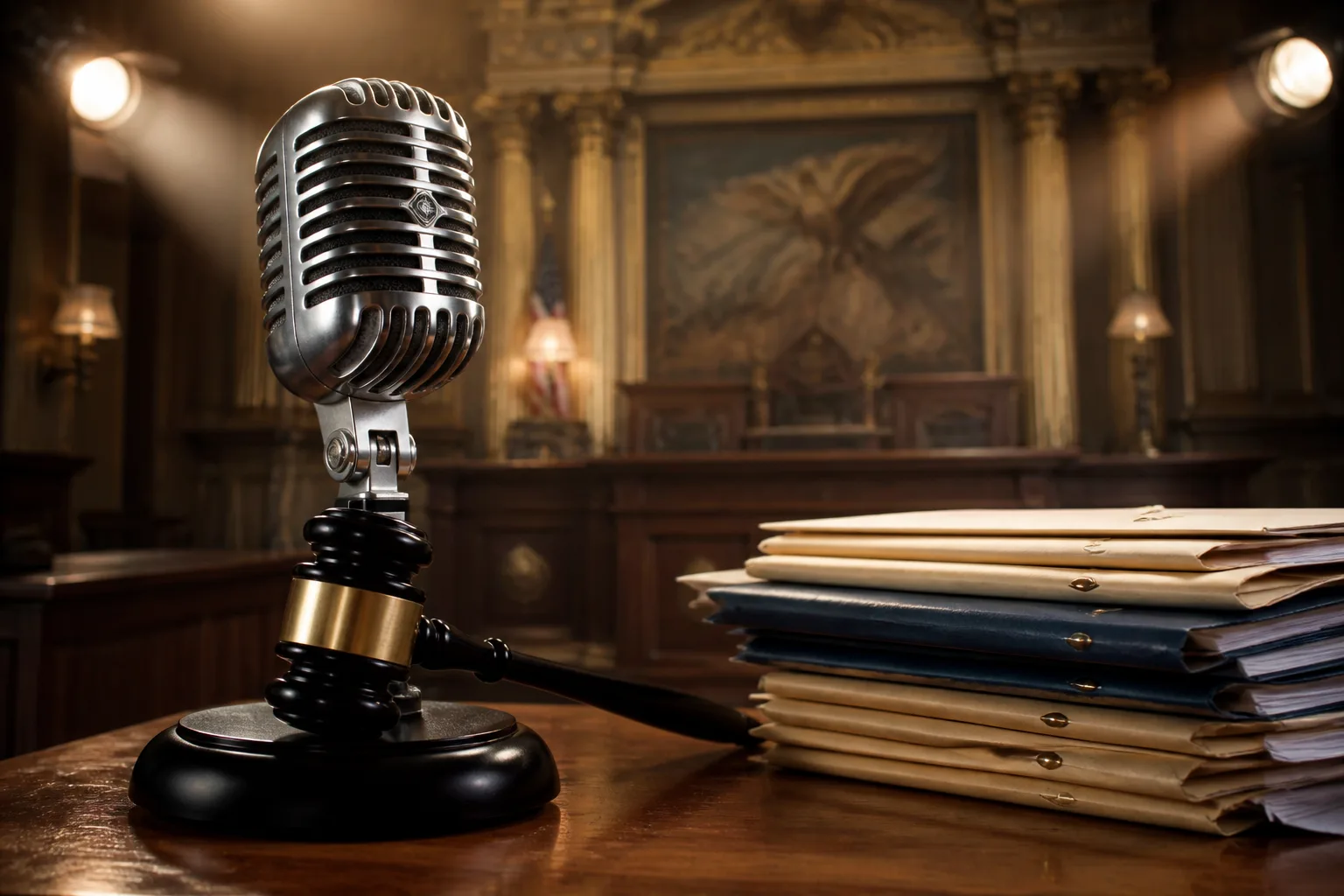
The new counsel, Walid Kandeel, is a deputy public defender who has built a reputation in capital‑defense work. In court filings, Kandeel told the judge that Burke “is entitled to a defense that takes his circumstances seriously and carefully examines the evidence.” The move signals a strategic pivot away from the media frenzy that erupted when a dismembered body was found in a Tesla linked to Burke, toward a meticulous analysis of autopsy data, digital footprints, and the chronology of events.
Burke’s meteoric rise began in 2021 with music for Fortnite gameplay montages. The 2022 singles “Romantic Homicide” and “Here with Me” achieved multi‑platinum status, and his 2025 debut album Withered peaked at number 13 on the Billboard 200. After the body was discovered in September 2025, Burke’s touring schedule vanished, a planned deluxe reissue was shelved, and his catalog was pulled from streaming services. Interscope Records and Universal Music Group quietly dropped him, and collaborators such as Kali Uchis, Laufey, and The Kid Laroi removed his contributions from their own releases.
The swift corporate retreat illustrates how a viral artist can be dismantled by platform and label decisions as quickly as they are built. “The music machine can assemble a star in a summer and disassemble it in a weekend,” an industry analyst noted. The case also underscores that a celebrity crisis attorney is ill‑suited for a special‑circumstances murder charge, which carries the possibility of death or life without parole. A public defender with capital‑defense expertise is therefore a more appropriate fit for the complex evidence that will be scrutinized over the months leading up to trial.
The trial is slated to resume in mid‑October. Until then, Burke remains in custody without bail. The Los Angeles County Superior Court will examine the forensic report, the alleged motive, and the digital trail prosecutors claim shows Burke acted to prevent Celeste Rivas Hernandez from revealing their relationship. While media outlets continue to cover the story, the court’s focus remains on the evidence presented by both sides.
Within the music community, the fallout has been palpable. Burke’s catalog remains available but largely unplayed, and many former collaborators have excised his work from their discographies. The case highlights the fragility of a career built on algorithmic virality and the stark contrast between public perception and the procedural demands of a capital‑defense trial.
At this juncture, the only certainty is that Burke’s defense will be handled by a public defender specialized in capital cases, and that the outcome will hinge on forensic evidence rather than social media narratives. The verdict will be delivered in court, not on streaming charts.