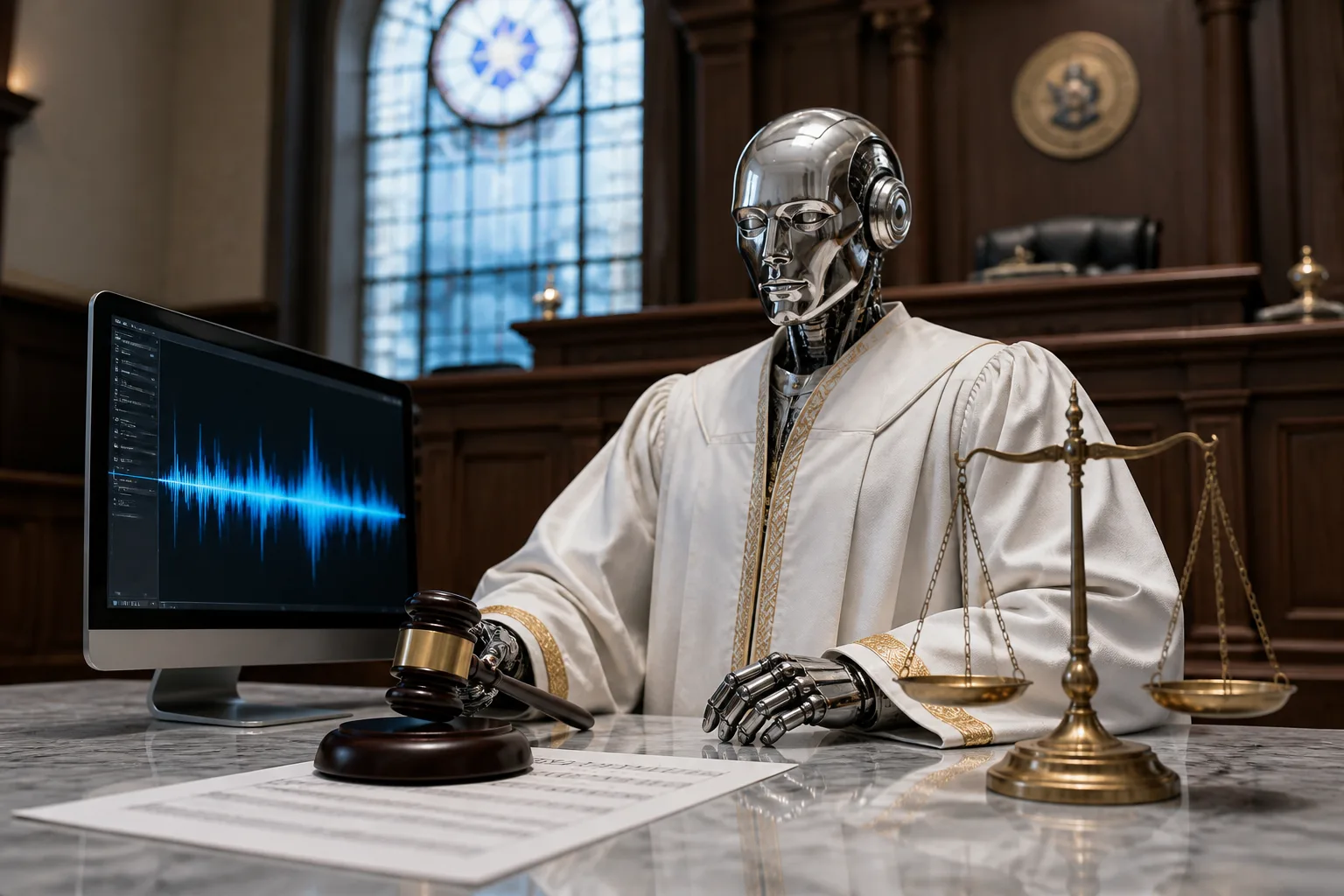
GEMA Wins Landmark Court Ruling Against Suno Over Unlicensed AI-Generated Music
On July 31 2026, a Munich regional court delivered a decisive verdict against U.S. AI‑music platform Suno, finding that the company had violated German and U.S. copyright law by training its models on songs protected by Germany’s collecting society GEMA without a licence. The ruling obliges Suno to pay damages and disclose revenue earned from the disputed works.
The case centers on Suno’s AI tool, which lets users create fully playable songs from simple text prompts. The court identified specific tracks—Alphaville’s “Forever Young” and Boney M’s “Daddy Cool”—that were incorporated into Suno’s training data without permission. GEMA’s victory establishes a clear precedent: AI services must secure licences for any music in their repertoire, a standard that could ripple through collective societies across the European Union and the United States.
Representing more than 100,000 members, GEMA has long championed the rights of composers, lyricists and publishers. Chief executive Dr Tobias Holzmüller said the verdict “clearly shows that AI models built on stolen intellectual property have no protection under the law” and that “AI service providers must pay for licences rather than use our members’ works free of charge.” Board member Dr Ralf Weigand added that the decision “sets an important precedent not only for GEMA’s members but for creators worldwide.”
Suno, which launched its web application in December 2023 and later partnered with Microsoft to appear in Copilot, has rejected the ruling. In a statement to Reuters, the company said it was “evaluating all available options, including an appeal” and argued that the court’s decision mischaracterises its technology and the application of U.S. law.
The ruling does not ban Suno’s service; it requires the company to obtain licences for any GEMA‑protected music it uses and to pay damages, the amount of which has not yet been determined. Suno must also disclose the revenue it has earned from the disputed songs. The decision is part of a broader legal battle in which Suno faces lawsuits from Universal Music Group, Sony Music Entertainment and the Danish collecting society Koda, all alleging mass copyright infringement.
GEMA’s success follows a similar 2023 victory against OpenAI, where the Munich court found that the AI firm had used copyrighted lyrics to train ChatGPT without a licence. Both cases reinforce the principle that AI training data must respect existing copyright protections.
Industry observers note that the Munich ruling could influence how other AI music generators approach licensing. The decision underscores the need for clear agreements between technology developers and rights holders, especially as AI tools become more capable of producing fully original, commercially viable music.
The United Kingdom’s Performing Rights Society publicly welcomed the verdict, tweeting its support for GEMA. The ruling is expected to strengthen Europe’s position as a cultural centre and may prompt other collective societies to pursue similar enforcement actions.
At present, Suno has announced its intention to appeal. The outcome of that appeal will determine whether the court’s requirements will be upheld or modified. Meanwhile, GEMA continues to monitor the situation and has indicated it will pursue further enforcement where necessary.
In summary, the Munich court’s July 31 ruling marks a decisive moment for the intersection of AI and music copyright. It compels AI companies to secure licences for copyrighted works and sets a legal benchmark that could shape future licensing practices across the global music industry.