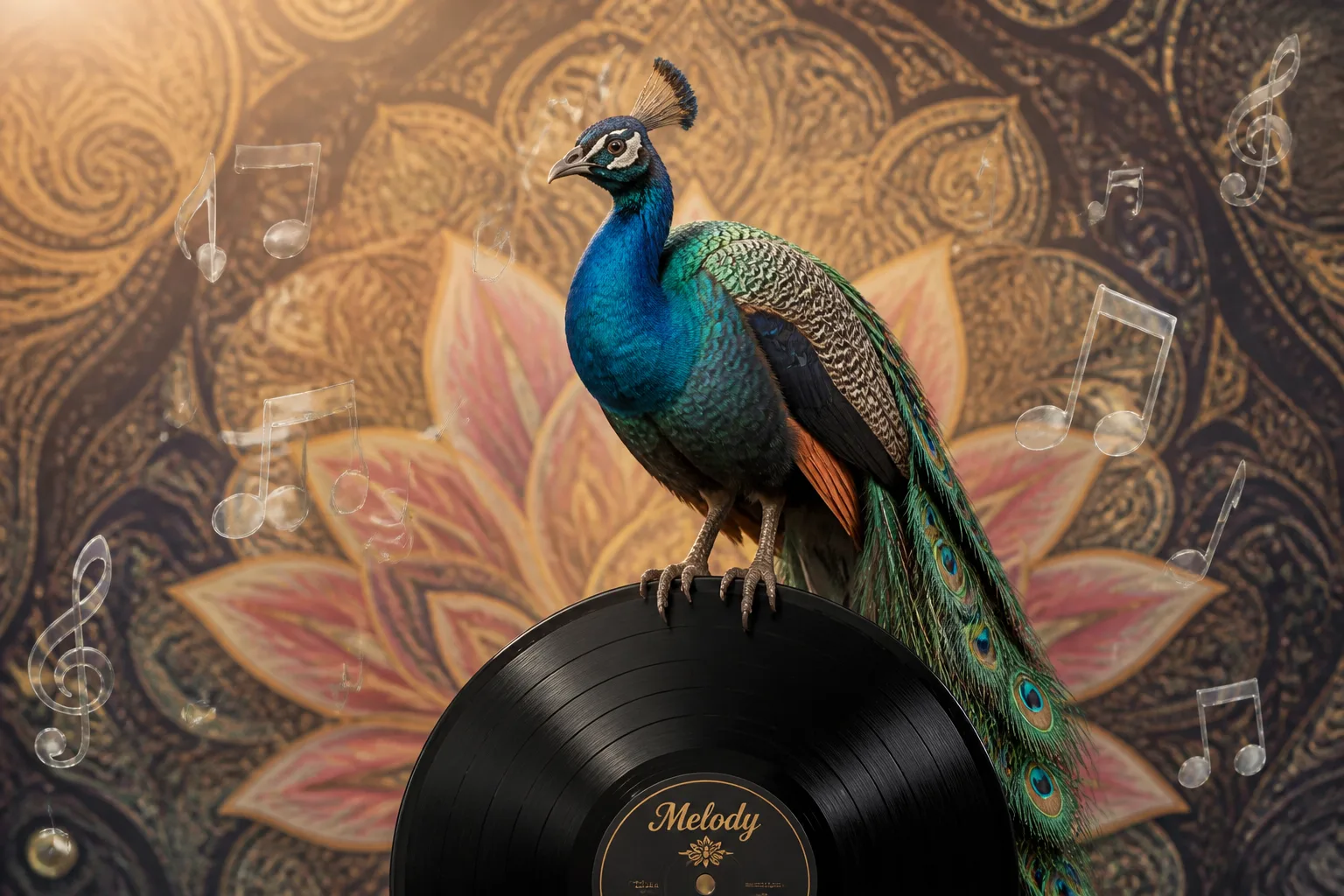
Diljit Dosanjhs The Call of Panjab EP Highlights Peahen, Sparks Discussion on Indian Animal Symbolism
When Diljit Dosanjh dropped his latest EP, The Call of Panjab, on April 23, 2026, he did more than add another track to his catalogue; he returned to Vancouver’s BC Place stadium after a historic sell‑out and spotlighted an animal rarely celebrated in Indian iconography.
The EP, released on major streaming platforms such as Spotify and Apple Music, opens with the single “Morni.” The track places the peahen—the female Indian peafowl—in the spotlight, a stark contrast to the usual focus on the male peacock.
Dosanjh, an Indian‑born American singer, actor and producer, has been a fixture in Punjabi and Hindi music since 2002. He has issued 13 studio albums, one EP and 41 singles, with chart‑topping releases like G.O.A.T. (2020) and MoonChild Era (2021). In 2024 he announced the Dil‑Luminati Global tour, targeting major cities across Europe and India.
“Morni” was penned by lyricist Channi Nattan and produced by Tru‑Skool, a UK‑based Punjabi hip‑hop producer known for blending traditional folk instruments with contemporary beats. The accompanying music video, directed by Rubbal GTR, premiered on YouTube the same day and has already attracted millions of views.
Musically, the song retains Dosanjh’s signature blend of catchy hooks and energetic rhythms. Lyrically, it celebrates the peahen’s beauty and virtues, challenging the prevailing narrative that privileges the peacock’s striking plumage—a motif long embedded in Indian art, textiles, and national symbols.
The release has reignited conversation about gender bias in cultural memory of animals. In Indian tradition, creatures such as eagles, hawks, peacocks, lions, tigers and horses are routinely employed as symbols of power, strength and authority, appearing in royal coats of arms, military standards, corporate logos and national emblems.
In contrast, women’s animal companions—most notably parrots—feature less prominently in scholarly discourse. The Alexandrine parakeet, native to the subcontinent, is celebrated for its intelligence, sociality and speech mimicry. Historical accounts suggest that Alexander the Great’s fascination with the bird led to its introduction to Europe.
While horses have survived as living emblems of heritage, with preserved stables and breeding traditions, parrots have largely remained confined to decorative motifs. The cultural narrative surrounding parrots in domestic settings has largely disappeared, despite their long presence in Indian households.
By foregrounding the peahen in “Morni,” Dosanjh invites listeners to reconsider the gendered representation of animals in Indian art and folklore, aligning the track with a broader dialogue about which creatures are elevated or marginalized in cultural symbolism.
The Call of Panjab remains available on all major streaming services, and “Morni” continues to receive airplay on Punjabi radio stations. The EP’s release has sparked conversations among music journalists and cultural commentators about the intersection of contemporary music and traditional symbolism.
The launch, coupled with Dosanjh’s high‑profile performances, underscores the artist’s role in bringing Punjabi music to global audiences while simultaneously engaging with cultural themes that extend beyond the music industry.