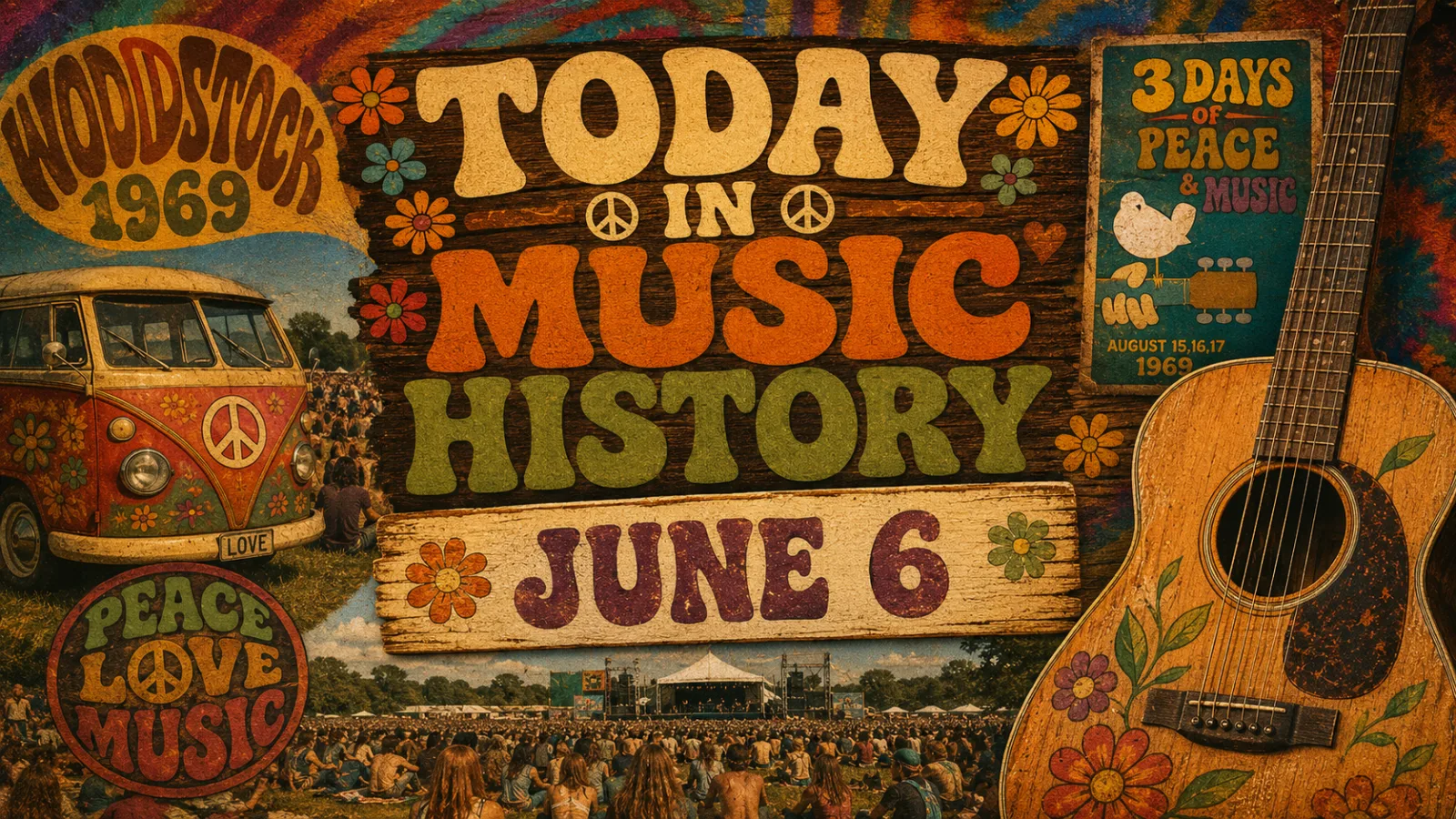
This Day in Music History — June 6
June 6 has produced a remarkable collection of moments across rock, pop, country, hip-hop, and alternative music history. From influential album releases to major chart milestones and unforgettable performances, the date has left a lasting imprint on the music world.
One of the most significant June 6 events occurred in 1962 when The Beatles held their first recording session at EMI's Abbey Road Studios with producer George Martin. While the band would later re-record much of the material, the session marked the beginning of one of the most important artist-producer partnerships in music history. The collaboration between The Beatles and Martin would help redefine popular music throughout the 1960s and beyond.
June 6 is also remembered for the birth of several influential musicians. In 1944, legendary keyboardist and songwriter Rick Wakeman was born in London, England. Wakeman would become one of progressive rock's most recognizable figures through his work with Yes and his acclaimed solo career. His elaborate stage productions and virtuosic keyboard performances helped define an entire era of progressive rock.
In 1969, the Rolling Stones released the single "Honky Tonk Women" in parts of Europe ahead of its wider international rollout. The song would become one of the band's signature hits and remains a staple of classic rock radio more than five decades later.
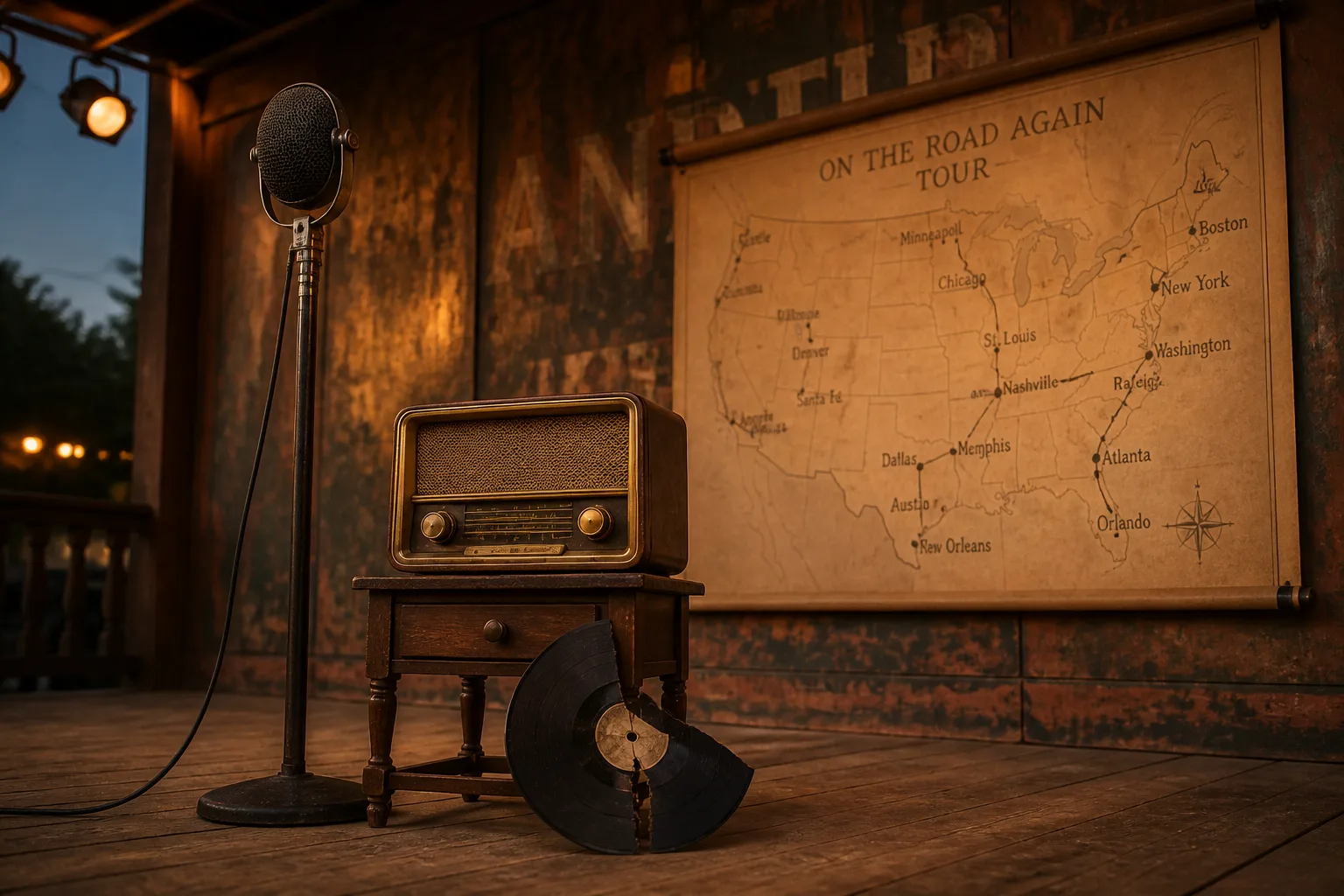
The date also holds significance in country music history. Throughout the decades, numerous country artists have launched major tours and album campaigns during early June as the summer concert season begins. The first week of June has long been an important period for music releases, festival announcements, and touring activity across multiple genres.
June 6 carries special importance because it often falls during one of the busiest periods of the music calendar. Summer tours are underway, festival season is beginning, and record labels frequently schedule major releases aimed at capturing warm-weather audiences. Many of the year's biggest hits have begun their climb up the charts during the first weeks of June.
The evolution of live music can also be seen through events that occurred on this date. During the 1960s and 1970s, large-scale rock concerts were becoming cultural phenomena. By the 1980s and 1990s, arena tours had become massive productions. Today, artists routinely perform in stadiums, livestream concerts globally, and connect with audiences through digital platforms that were unimaginable to earlier generations.
June 6 serves as a reminder of how dramatically music technology has changed over the decades. From analog tape machines and vinyl records to digital streaming and artificial intelligence-assisted production, the industry continues to evolve while maintaining strong connections to its past.
The day also highlights the enduring influence of classic artists whose recordings continue to inspire new generations. Songs recorded decades ago remain popular on streaming platforms, demonstrating how great music can transcend time, format, and technological change.
As fans celebrate music history on June 6, they participate in a tradition that stretches back generations. Whether listening to classic rock, country, jazz, hip-hop, electronic music, or contemporary pop, audiences continue to discover new meaning in recordings that helped shape music culture.
Looking back, June 6 represents more than a collection of dates and milestones. It serves as a snapshot of music's ongoing journey—one that continues to connect artists and listeners across decades, genres, and generations.