Why Las Vegas Casinos Still Blast 1970s and 1980s Music Everywhere
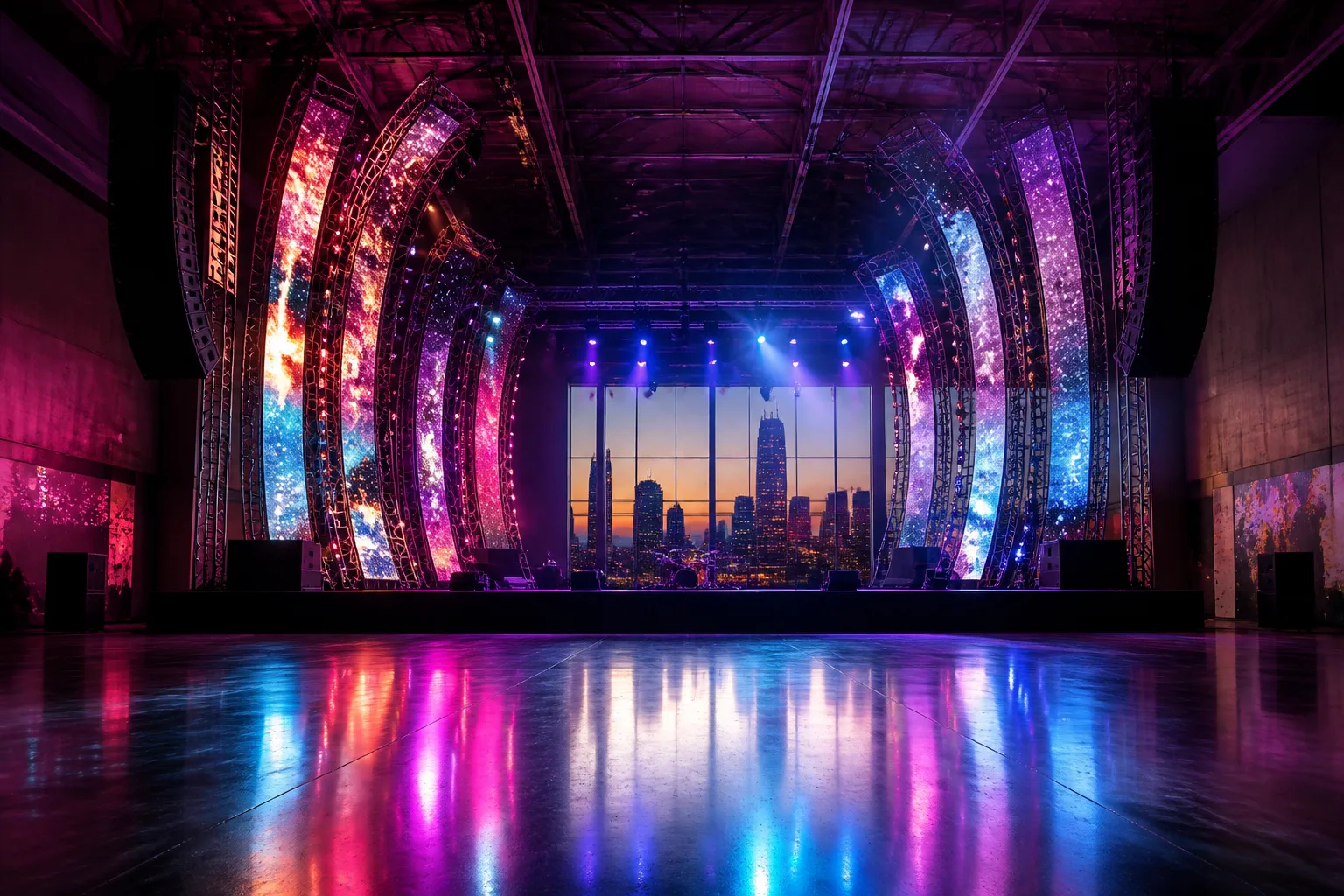
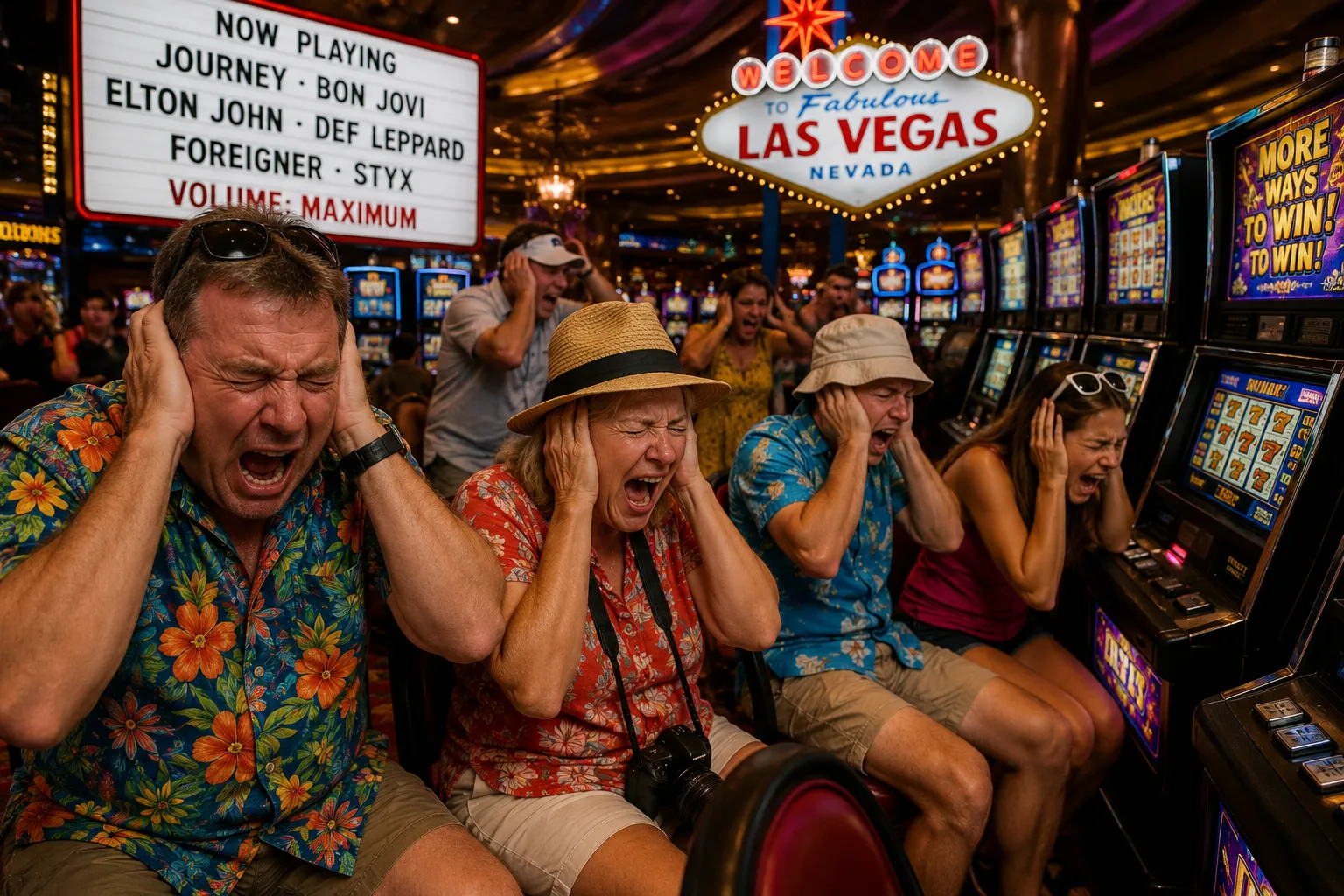
Walk through enough Las Vegas casinos and a strange pattern begins to emerge. Massive LED walls. Billion-dollar architecture. Cutting-edge digital displays. Futuristic experiences. Yet somehow, beneath all of it, speakers continue pumping out songs that sound like they escaped from an FM radio station in 1984.
Journey. Hall & Oates. Fleetwood Mac. REO Speedwagon. Soft rock classics. Yacht rock staples. Familiar sing-alongs that many visitors have heard thousands of times before.
The question naturally follows:
Why does a city obsessed with spectacle often soundtrack itself like a mall parking lot from decades ago?
The answer may have less to do with music taste and far more to do with psychology.
Casinos are carefully engineered environments. Nearly everything inside is designed to influence behavior, from carpet patterns and lighting placement to room layouts and even scents. Music is simply another part of that formula.
Unlike concerts or clubs, casinos are not trying to command attention. Their goal is often the opposite. They want background music that creates comfort without distracting people from gambling, dining, shopping, or moving through the property. Familiar songs can create a subtle emotional effect: people relax when they recognize something.
And recognition matters.
For decades, a substantial portion of casino revenue has historically come from visitors who grew up during the 1970s and 1980s. The soundtrack often reflects the audience. Music tied to youth and nostalgia can trigger positive emotional responses, memories, and familiarity — all things casinos generally prefer over tension or unpredictability.
Tempo also plays a role. Casinos frequently avoid music that feels too aggressive, too loud, or too emotionally demanding. Mid-tempo songs often dominate because they create energy without becoming overwhelming. The ideal casino soundtrack may be something people notice briefly before fading into the background.
There is also a practical side: many casinos rely on commercial music programming systems and corporate playlist providers rather than individual music directors hand-selecting tracks every day. Large properties often use curated environmental playlists designed specifically around customer behavior and atmosphere.
Safe often wins over interesting.
The result can create a strange contradiction throughout Las Vegas. The city continuously reinvents itself visually with giant video spheres, digital attractions, and futuristic experiences while sometimes sounding like an old road trip playlist playing in your dad's car.
Some visitors love it.
Others spend half the walk across the casino floor wondering why they are hearing Africa for the fourth time in two days.
But whether people notice it or not, the soundtrack is probably doing exactly what it was designed to do.